
Guida al recupero dei dati dalle schede di memoria
Perdere foto, video, documenti o file di progetto da una scheda di memoria può essere fonte di stress, soprattutto se la scheda è stata utilizzata in una fotocamera, un telefono, un drone, una dashcam o una console di gioco. Se hai bisogno di assistenza più specifica per il tuo dispositivo, puoi anche consultare la guida di Amagicsoft Soluzioni per il recupero delle schede SD. La buona notizia è che recupero dati da scheda di memoria spesso è possibile se si interviene rapidamente ed evitando di scrivere nuovi dati sulla scheda.
Questa guida spiega come recupero dati da scheda di memoria funziona, cosa fare per prima cosa, quali metodi gratuiti vale la pena provare e quando un software di recupero dati diventa la soluzione migliore. Spiega inoltre perché Magic Data Recovery può essere d'aiuto nei casi più complessi, come la cancellazione accidentale, la formattazione, gli errori del file system, i problemi legati alla reinstallazione del sistema o la perdita di dati causata da virus.
Supporta Windows 7/8/10/11 e Windows Server
Indice dei contenuti
Quali sono le cause della perdita dei dati sulle schede di memoria?
Prima di iniziare recupero dati da scheda di memoria, è utile capire perché i file scompaiono. Cause diverse richiedono strategie di recupero diverse. Ad esempio, le foto cancellate sono un caso diverso da una scheda di memoria danneggiata che richiede di essere formattata.
Le cause più comuni includono:
- Cancellazione accidentale da una fotocamera, un telefono o un computer
- Formattazione accidentale della scheda di memoria
- Errori del file system, come RAW, file illeggibili o il messaggio “la scheda deve essere formattata”
- Trasferimento di file interrotto
- Rimozione della scheda durante la scrittura dei file
- Eliminazione di virus o modifiche sospette ai file
- Scheda di memoria non riconosciuta da Windows
- Reinstallazione del sistema o ripristino delle impostazioni di fabbrica del dispositivo dopo che i file sono stati salvati in locale
- Danni fisici, settori danneggiati o scheda difettosa
In molti casi, i file non vengono eliminati immediatamente. Lo spazio di archiviazione potrebbe invece essere contrassegnato come disponibile. Pertanto, la prima regola è semplice: smettete subito di usare la scheda di memoria.
Cosa fare prima di procedere al recupero dei dati dalla scheda di memoria
Le azioni che compi prima del recupero possono influire direttamente sul risultato. Se continui a scattare foto, registrare video o copiare file sulla scheda, i nuovi dati potrebbero sovrascrivere i file persi.
Segui prima questi consigli:
- Smetti immediatamente di usare la scheda di memoria.
- Rimuovilo in modo sicuro dalla fotocamera, dal telefono, dal drone o dal computer.
- Non formattare la scheda, anche se Windows te lo chiede.
- Non eseguire gli strumenti di riparazione prima di aver recuperato i file importanti.
- Utilizza un lettore di schede affidabile invece di collegarti tramite un dispositivo instabile.
- Salva i file recuperati su un'altra unità, mai sulla stessa scheda di memoria.
Questi passaggi possono sembrare semplici, ma sono fondamentali per il successo recupero dati da scheda di memoria. Anche una piccola operazione di scrittura può ridurre le possibilità di recuperare foto, video o documenti integri.
È possibile recuperare i file da una scheda di memoria?
Sì, recupero dati da scheda di memoria è possibile in molte situazioni. Per esempi specifici relativi alle schede SD e microSD, questo recuperare i dati dalla scheda SD La guida illustra in modo più dettagliato i casi più comuni di cancellazione, formattazione e danneggiamento. Tuttavia, il risultato dipende da cosa è successo alla scheda e dal fatto che i file persi siano stati sovrascritti.
È comunque possibile recuperare i file nei seguenti casi:
- I file sono stati cancellati di recente.
- La scheda è stata formattata in un attimo.
- La scheda di memoria passa al formato RAW.
- La scheda segnala un errore, ma continua a comparire in Gestione disco.
- Le foto o i video sono scomparsi a seguito di un errore durante il trasferimento.
- Un virus ha cancellato o nascosto dei file.
Il recupero risulta più difficile quando la scheda presenta danni fisici, settori danneggiati gravi o memoria crittografata proveniente da determinati dispositivi Android. In questi casi, rivolgersi a un servizio di recupero professionale può essere più sicuro, soprattutto quando i file hanno un valore estremamente elevato.
Metodi gratuiti da provare prima di utilizzare un software di recupero
Non sempre è necessario ricorrere subito a un software a pagamento. Se la perdita di dati è di lieve entità, puoi provare diversi metodi gratuiti. Tuttavia, evita di utilizzare comandi di riparazione che potrebbero alterare la scheda prima di recuperare i file importanti.
Metodo 1: provare con un altro lettore di schede o una porta USB
A volte il vero problema non è la scheda di memoria. Un lettore di schede difettoso, un adattatore allentato, una porta USB danneggiata o una connessione instabile possono far sembrare la scheda illeggibile.
Provate questo:
- Inserisci la scheda di memoria in un altro lettore di schede.
- Prova a utilizzare una porta USB diversa.
- Prova la scheda su un altro computer.
- Verifica se Windows assegna una lettera di unità.
- Aperto Gestione del disco per vedere se la scheda compare.
Se la scheda viene riconosciuta correttamente dopo aver sostituito il lettore, copia immediatamente i tuoi file in un luogo sicuro. Se mancano dei file, procedi con recupero dati da scheda di memoria passi.
Metodo 2: cercare i file nascosti
Un virus o un problema relativo agli attributi dei file potrebbe nascondere i file invece di eliminarli. In tal caso, la scheda potrebbe continuare a mostrare lo spazio utilizzato, ma la cartella sembrerà vuota.
Su Windows:
- Aprire Esplora file.
- Fai clic su Visualizza.
- Abilita Elementi nascosti.
- Riapri la scheda di memoria.
- Controlla se i tuoi file sono presenti.
Puoi anche eseguire una scansione della scheda di memoria con un programma antivirus. Tuttavia, evita di eliminare i file sospetti finché non avrai verificato se contengono dati recuperabili.
Metodo 3: Controlla i backup dal telefono, dalla fotocamera o dal cloud
Molti utenti dimenticano che foto e video potrebbero già essere presenti nei backup su cloud. Prima di approfondire recupero dati da scheda di memoria, controlla se i file sono stati sincronizzati altrove.
Tra i luoghi utili da controllare ci sono:
- Google Foto
- Foto iCloud
- OneDrive
- Dropbox
- App complementari per fotocamere
- Cestino della galleria del telefono
- Backup di Windows o Cronologia file
- Backup di unità esterne
Questo metodo è sicuro perché non scrive dati sulla scheda di memoria. Se i tuoi file sono presenti nel backup, ripristinali prima da lì.
Metodo 4: Prova il recupero file di Windows
Windows File Recovery è uno strumento a riga di comando sviluppato da Microsoft. Consente di recuperare file da dispositivi di archiviazione locali, comprese le unità esterne e le memorie USB. Per le partizioni FAT ed exFAT, comunemente presenti sulle schede di memoria, l'opzione più indicata è solitamente la modalità estesa.
Un esempio semplice potrebbe essere il seguente:
winfr E: D:\Recovery /extensive /n *.jpg /n *.mp4
In questo esempio, E: è la scheda di memoria e D:\Recovery è la cartella di destinazione. La destinazione deve essere diversa dall'unità di origine.
Questo metodo può essere utile per recuperare alcuni file cancellati, ma non è l'opzione più semplice per i principianti. Se vuoi prima valutare altre opzioni gratuite, leggi qui Recupero gratuito dei dati della scheda di memoria SD una guida prima di passare a un software di recupero avanzato. Inoltre, non dispone di un'interfaccia di anteprima visiva, quindi selezionare i file giusti può risultare difficile.
Quando i metodi gratuiti non sono sufficienti
I metodi gratuiti potrebbero non funzionare se la scheda di memoria è stata formattata, è danneggiata o non è leggibile. Inoltre, potrebbero rivelarsi difficili da utilizzare quando è necessario recuperare molti tipi di file, come immagini JPG, foto RAW, video MP4, documenti, archivi e file di progetto.
A questo punto, dedicato recupero dati da scheda di memoria il software è solitamente più pratico. Un buon strumento di recupero dovrebbe aiutarti a:
- Esegui la scansione dei file cancellati e persi.
- Supportare i file system più diffusi per le schede di memoria.
- Visualizza in anteprima i file recuperabili prima di salvarli.
- Recupera foto, video, documenti e altri tipi di file.
- Supporta schede di memoria formattate, RAW o danneggiate.
- Salvare i file recuperati in un'altra posizione sicura.
Ma soprattutto, un software di recupero dati dovrebbe essere abbastanza semplice da usare per gli utenti comuni. Molte persone che cercano recupero dati da scheda di memoria non sono tecnici. Hanno bisogno di istruzioni chiare, risultati tangibili e un rischio minore di peggiorare lo stato della scheda.
Soluzione consigliata: Magic Data Recovery
Se i metodi standard non riescono a trovare i tuoi file, Magic Data Recovery è una soluzione pratica per un trattamento più profondo recupero dati da scheda di memoria. È progettato per recuperare i dati persi in diversi scenari di archiviazione, tra cui cancellazione accidentale, formattazione, errori del file system, reinstallazione del sistema e cancellazione causata da virus.
Perché Magic Data Recovery è la soluzione ideale per il recupero dei dati dalle schede di memoria
Magic Data Recovery ti aiuta a risolvere il problema principale: i tuoi file sono scomparsi, ma la scheda di memoria potrebbe ancora contenere dati recuperabili. Invece di ricorrere a righe di comando o controlli manuali, il software esegue una scansione della scheda e ti aiuta a individuare i file persi in modo più chiaro.
È indicato in casi quali:
- Foto cancellate dalla fotocamera
- Scheda SD o microSD formattata
- La scheda di memoria richiede di essere formattata
- File persi a seguito di un'interruzione del trasferimento
- Cartelle cancellate dal virus
- Scheda di memoria con file system RAW
- Video smarriti ripresi da droni, dashcam o action cam
- File mancanti dopo aver utilizzato la scheda su diversi dispositivi
Il vantaggio principale è che Magic Data Recovery si concentra sul flusso di lavoro di recupero. Se vuoi vedere l'intero processo prima di eseguire la scansione della tua scheda, consulta il Guida dell'utente Magic Data Recovery. Si collega la scheda di memoria, la si esegue la scansione, si visualizza l'anteprima dei file, se possibile, e si recuperano gli elementi selezionati su un'altra unità sicura.
Vantaggi principali di Magic Data Recovery
Magic Data Recovery merita di essere raccomandato perché affronta diversi punti critici legati al recupero.
Innanzitutto, supporta diversi scenari di perdita dei dati. Molti utenti non sanno se la scheda sia stata cancellata, formattata, danneggiata o se abbia subito un errore del file system. Un motore di recupero più completo consente di coprire un maggior numero di possibilità.
In secondo luogo, supporta diversi tipi di file. Le schede di memoria spesso contengono foto, video, file audio, documenti e file compressi. Una funzione utile recupero dati da scheda di memoria Lo strumento non dovrebbe limitarsi a cercare un solo tipo di file.
In terzo luogo, offre agli utenti un'interfaccia più intuitiva rispetto agli strumenti da riga di comando. Questo è importante per i principianti che desiderano visualizzare in anteprima e selezionare i file prima del recupero.
Infine, riduce la necessità di ricorrere a operazioni rischiose basate su tentativi ed errori. Anziché formattare la scheda, eseguire comandi di riparazione a caso o copiare nuovi file su di essa, gli utenti possono prima eseguire una scansione della scheda e recuperare i dati in un'altra posizione.
Supporta Windows 7/8/10/11 e Windows Server
Come recuperare i dati da una scheda di memoria con Magic Data Recovery
Seguire questi passaggi per eseguire recupero dati da scheda di memoria in modo sicuro.
Passaggio 1: collega la scheda di memoria al computer
Inserisci la scheda di memoria in un lettore di schede affidabile. Quindi collegalo al tuo computer Windows. Se la scheda viene visualizzata con un messaggio di errore, non formattarla.
Passo 2: Avviare Magic Data Recovery
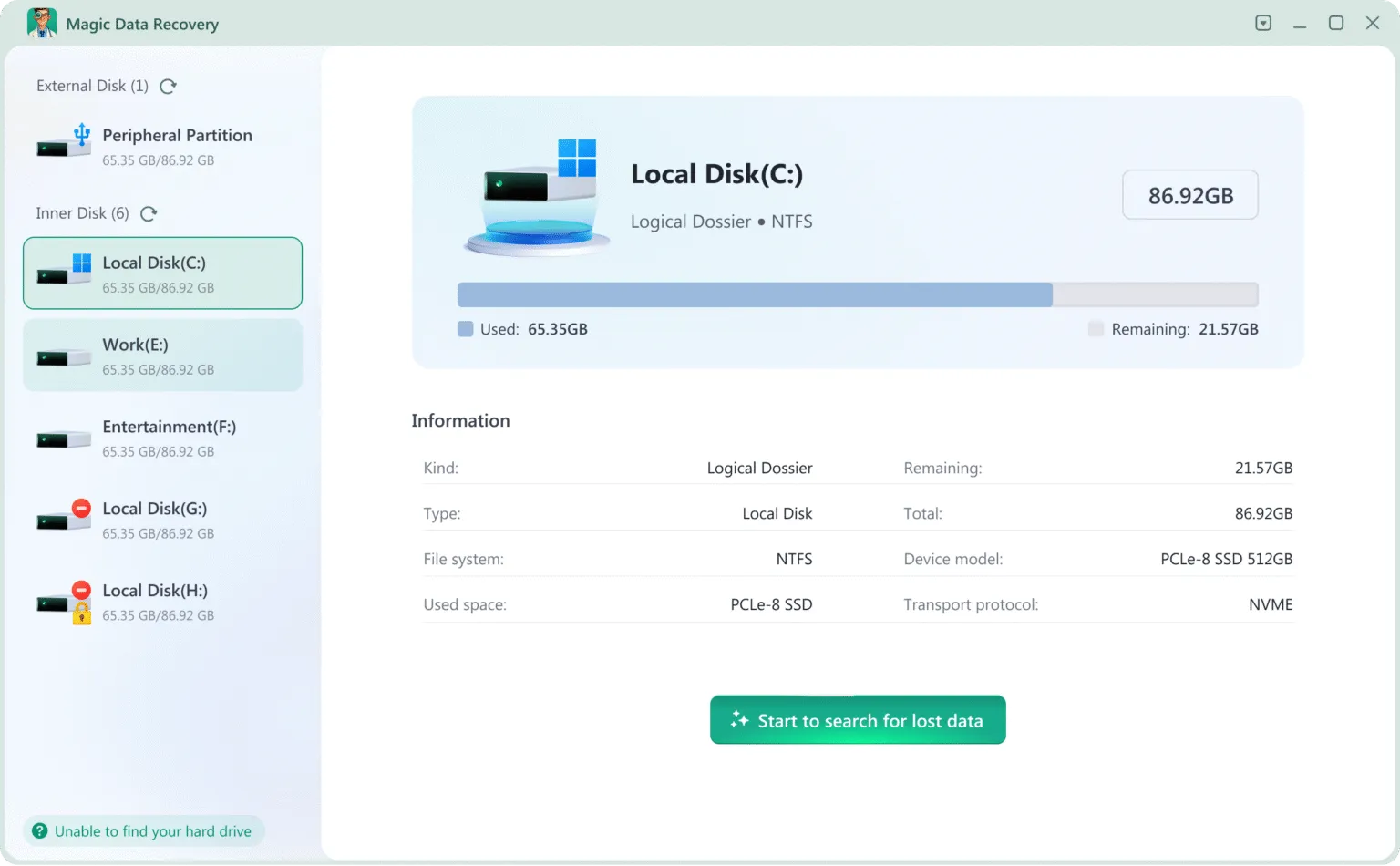
Apri Magic Data Recovery e seleziona la scheda di memoria dall'elenco delle unità. Assicurati di selezionare la scheda corretta, soprattutto se sono collegate più unità rimovibili.
Passaggio 3: Esegui la scansione della scheda di memoria
Avvia la scansione. Il software cercherà i file cancellati, persi, formattati o inaccessibili. La durata della scansione dipende dalla capacità della scheda, dalle sue condizioni e dalla velocità di connessione.
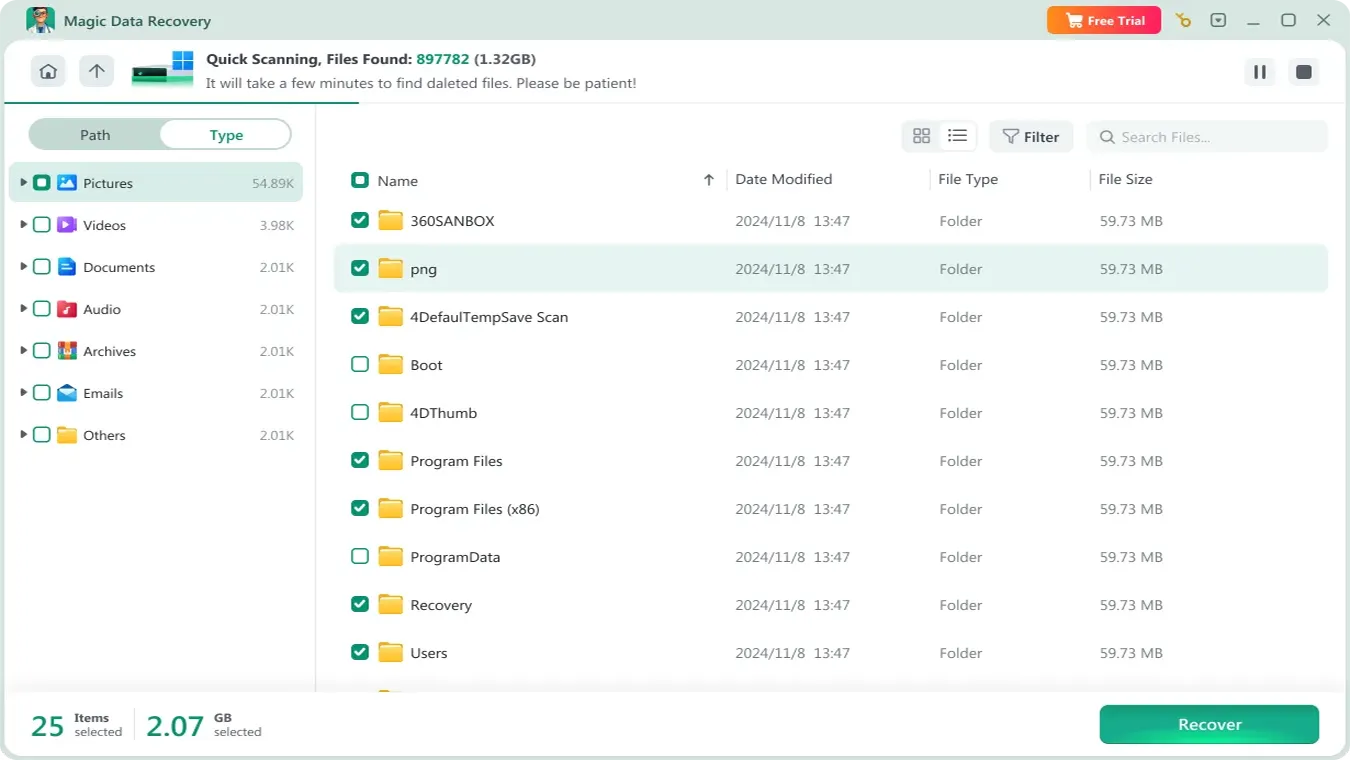
Fase 4: Anteprima e selezione dei file
Al termine della scansione, controlla i file individuati. Utilizza i nomi dei file, i tipi di file, i percorsi e le opzioni di anteprima per individuare i dati che ti servono. Questo passaggio ti aiuta a evitare di recuperare file non necessari.

Passo 5: Recuperare i file in un'altra unità
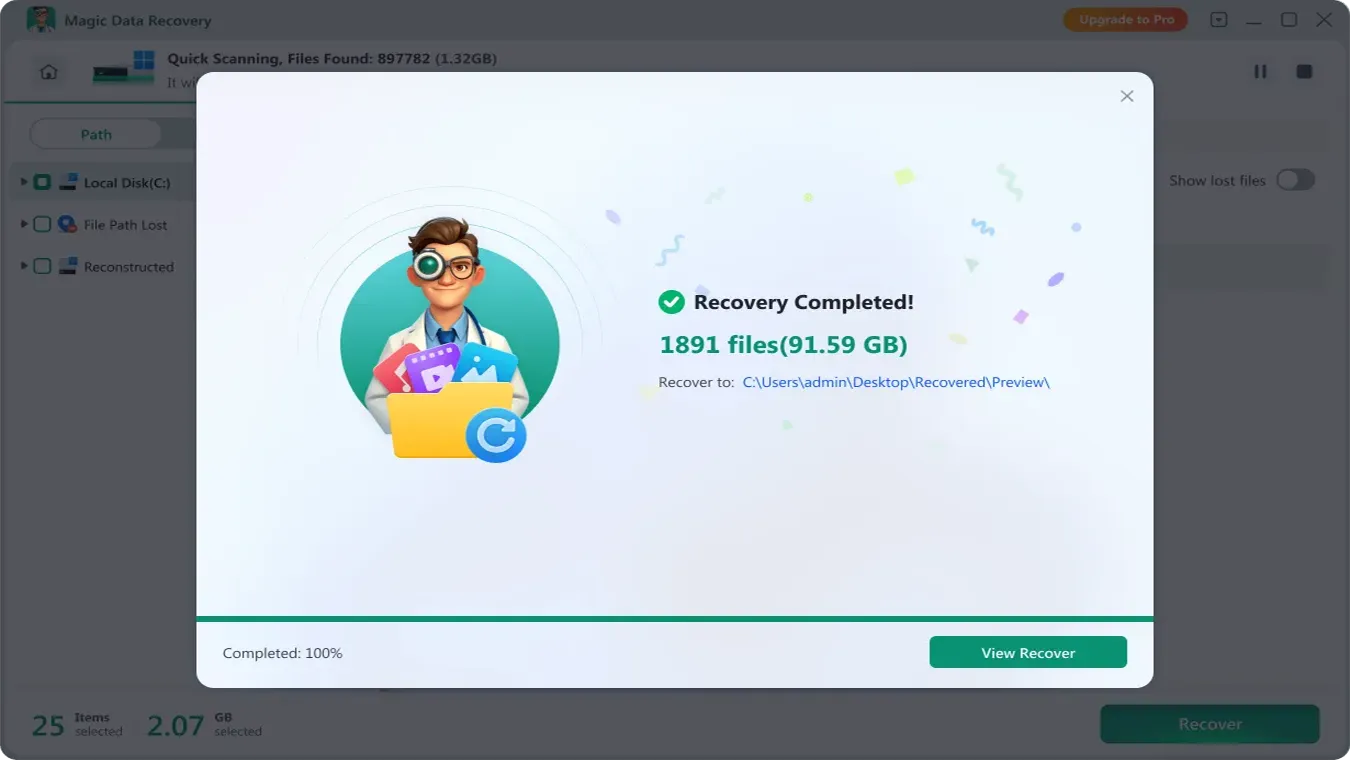
Scegli una destinazione sicura sul tuo computer o su un'unità esterna. Non salvare i file recuperati sulla stessa scheda di memoria, poiché ciò potrebbe sovrascrivere altri dati recuperabili.
Recupero dati da schede di memoria in diversi scenari
A seconda della situazione, la gestione della perdita di dati varia. Ecco i casi più comuni.
Recuperare i file cancellati da una scheda di memoria
Se hai cancellato dei file per errore, smetti immediatamente di usare la scheda. I file cancellati potrebbero essere ancora recuperabili finché non vengono sovrascritti da nuovi dati. Esegui una scansione con Magic Data Recovery e salva i file trovati su un'altra unità.
Recuperare una scheda di memoria formattata
Una formattazione rapida di solito elimina i riferimenti al file system, ma potrebbe non cancellare immediatamente tutto il contenuto dei file. Per una diagnosi più dettagliata, questa Recupero della scheda SD La guida spiega come valutare la situazione prima di recuperare i file. In questo caso, una scansione approfondita offre maggiori possibilità di ritrovare foto, video e documenti.
Recuperare i dati da una scheda di memoria danneggiata
Se Windows segnala che la scheda di memoria deve essere formattata, evita di cliccare su "Formatta". Utilizza prima un software di recupero dati. Dopo aver recuperato i file importanti, potrai decidere se riparare, riformattare o sostituire la scheda.
Recuperare i file dopo la cancellazione causata da un virus
Alcuni virus cancellano, nascondono o rinominano i file presenti sui supporti rimovibili. Esegui il software antivirus con attenzione, quindi utilizza Magic Data Recovery per cercare i file cancellati o mancanti. Recupera sempre i dati su un'unità pulita.
Recuperare i file da una scheda di memoria illeggibile
Se la scheda compare in "Gestione disco" ma non si apre in Esplora file, potrebbe comunque essere possibile recuperarla. Seleziona la scheda nel software di recupero dati ed esegui una scansione. Se la scheda non compare da nessuna parte, prova con un altro lettore. Se il problema persiste, la scheda potrebbe presentare danni fisici.
Errori comuni che riducono il successo del recupero
Molti utenti rendono il recupero più difficile senza rendersene conto. Evitate questi errori:
- Continuare a scattare foto o a registrare video sulla stessa scheda
- Formattazione della scheda prima del recupero
- Salvataggio dei file recuperati sulla scheda di memoria
- Eseguire i comandi di riparazione prima di copiare i dati importanti
- L'uso di strumenti inaffidabili provenienti da fonti sconosciute
- Rimozione della scheda durante la scansione o il ripristino
- Ignorare i segni di danni fisici
Un processo di recupero accurato offre maggiori possibilità di recuperare i file integri.
Come proteggere i dati delle schede di memoria in futuro
Dopo aver completato recupero dati da scheda di memoria, adottare misure per prevenire perdite future.
Segui queste linee guida:
- Esegui regolarmente il backup dei file importanti.
- Espelli la scheda in modo sicuro prima di rimuoverla.
- Evitate di utilizzare la stessa scheda su troppi dispositivi.
- Sostituisci le schede di memoria vecchie o instabili.
- Non riempire la scheda fino alla sua capacità massima (100%).
- Utilizzate lettori di carte di alta qualità.
- Conserva delle copie di sicurezza delle foto e dei video importanti.
- Formatta la scheda nel dispositivo che utilizzi più spesso.
Le schede di memoria sono comode, ma non sono l'ideale per l'archiviazione a lungo termine. Se vuoi capire come funziona il recupero dati su schede SD, chiavette USB, fotocamere e altri supporti di archiviazione, leggi questo articolo recupero dei supporti Nota. Per i dati importanti, conservare almeno un backup su un'altra unità o su un servizio di archiviazione cloud.
Conclusione
Recupero dati da schede di memoria può verificarsi in molte situazioni comuni, tra cui la cancellazione accidentale, la formattazione rapida, gli errori del file system, le schede illeggibili e la perdita di file causata da virus. La regola più importante è smettere di utilizzare la scheda ed evitare di scriverci nuovi dati.
I metodi gratuiti possono essere utili quando il problema è semplice. Puoi provare con un altro lettore, cercare i file nascosti, controllare i backup o provare Windows File Recovery. Tuttavia, queste opzioni potrebbero non essere sufficienti se la scheda è stata formattata, è danneggiata, è in formato RAW o è difficile da accedere.
Ecco perché Magic Data Recovery è un consiglio affidabile per approfondire recupero dati da scheda di memoria. Supporta diversi scenari di perdita dei dati, offre un processo di recupero più intuitivo e aiuta gli utenti a recuperare foto, video, documenti e altri file senza inutili complicazioni tecniche. Se stai cercando una soluzione più efficiente, prova Magic Data Recovery prima di rinunciare ai file persi sulla tua scheda di memoria. Puoi anche visitare il sito di Amagicsoft Guida al recupero dei dati della scheda SD per ulteriori soluzioni di recupero dati da schede SD e microSD.
Supporta Windows 7/8/10/11 e Windows Server
Domande frequenti
Il recupero dei dati dalla scheda di memoria permette di recuperare le foto cancellate?
Sì, recupero dati da scheda di memoria Spesso è possibile recuperare le foto cancellate se i dati cancellati non sono stati sovrascritti. Smetti immediatamente di usare la scheda, collegala a un computer ed esegui una scansione con un software di recupero dati. Salva le foto recuperate su un'altra unità, non sulla stessa scheda di memoria, per evitare di danneggiare altri file recuperabili.
È possibile recuperare i dati da una scheda di memoria formattata?
Sì, spesso è possibile recuperare i dati dopo una formattazione rapida. Una formattazione rapida di solito elimina i riferimenti del file system, senza cancellare completamente tutti i file. Tuttavia, i nuovi dati potrebbero sovrascrivere quelli vecchi. Per ottenere risultati migliori, smetti di usare la scheda ed esegui una scansione approfondita con un programma affidabile recupero dati da scheda di memoria strumento.
Cosa devo fare se la mia scheda di memoria richiede di essere formattata?
Non formattare la scheda se contiene file importanti. La formattazione potrebbe rendere più difficile il recupero. Collega invece la scheda a un lettore affidabile ed esegui prima una scansione con un software di recupero dati. Dopo aver recuperato i file, potrai decidere se riparare, riformattare o sostituire la scheda.
Windows File Recovery è un buon programma per il recupero dei dati dalle schede di memoria?
In alcuni casi, Windows File Recovery può essere d'aiuto, specialmente per i file cancellati. Tuttavia, si avvale di comandi da riga di comando, che potrebbero risultare complessi per i principianti. Inoltre, non offre la stessa esperienza di anteprima visiva garantita dagli strumenti di recupero dedicati. Per le schede formattate o danneggiate, un software specializzato potrebbe rivelarsi più semplice e pratico.
Perché non dovrei salvare i file recuperati sulla stessa scheda?
Il salvataggio dei file recuperati sulla stessa scheda di memoria potrebbe sovrascrivere altri file persi che sono ancora recuperabili. Ciò può ridurre le possibilità di un recupero completo. Quando si esegue l'operazione, scegliere sempre una destinazione diversa, come l'unità interna del computer o un'altra unità esterna. recupero dati da scheda di memoria.
L'Magic Data Recovery può recuperare i file eliminati da un virus?
Magic Data Recovery consente di recuperare i file persi a causa di virus, cancellazione accidentale, formattazione ed errori del file system. Prima di procedere al recupero, si raccomanda di utilizzare con cautela un software antivirus per ridurre il rischio di ulteriori danni. Successivamente, eseguire la scansione della scheda di memoria e salvare i file recuperati in una posizione di archiviazione pulita e sicura.
E se la mia scheda di memoria fosse danneggiata fisicamente?
Se la scheda è danneggiata fisicamente, non viene rilevata da nessun computer o causa il blocco dei dispositivi, il recupero tramite software potrebbe non funzionare. In tal caso, evitate di ripetere i tentativi, poiché potrebbero aggravare il danno. Se i dati sono di grande valore, prendete in considerazione un servizio professionale di recupero dati prima di tentare ulteriori operazioni di riparazione.
Come posso evitare la perdita dei dati sulla scheda di memoria?
Esegui regolarmente il backup dei file importanti, rimuovi la scheda in modo sicuro, evita di estrarla durante il trasferimento dei dati e sostituisci tempestivamente le schede difettose. Inoltre, non utilizzare la stessa scheda di memoria su troppi dispositivi. Per foto, video e file di lavoro, conserva almeno una copia di backup su un computer, un disco esterno o un servizio cloud.

Jason ha oltre 15 anni di esperienza pratica nel settore della sicurezza dei dati informatici. È specializzato in tecnologie di recupero dati, backup e ripristino e riparazione dei file e ha aiutato milioni di utenti in tutto il mondo a risolvere complessi problemi di perdita di dati e di sicurezza.