
Raccomandazioni per il recupero dati - I migliori software e suggerimenti per recuperare i file persi

Introduzione
Supporta Windows 7/8/10/11 e Windows Server
CONTENUTO DELLA PAGINA:
Scenari comuni di perdita di dati
Cancellazione accidentale - File eliminati per errore o svuotati dal Cestino.
Guasto hardware - Dischi rigidi, SSD o dispositivi di archiviazione esterni danneggiati.
Attacchi di virus/malware - Ransomware o virus che criptano o eliminano i file.
Arresto anomalo del sistema - Guasti improvvisi del sistema operativo che causano l'inaccessibilità dei dati.
Errori di formattazione - Formattazione accidentale di un'unità senza backup.
Raccomandazioni per il recupero dati: Come evitare danni secondari
- Perché è importante: Ogni nuovo file salvato o programma installato crea nuovi dati che possono sovrascrivere i file persi nei settori di archiviazione.
- Passi d'azione:
- Scollegare immediatamente le unità esterne
- Per le unità di sistema, spegnere il computer e avviare da una USB di ripristino, se necessario.
- Evitare l'esecuzione di utility per il disco come CHKDSK che possono modificare le strutture di dati
2. Evitare le riparazioni fai-da-te di unità danneggiate fisicamente
- Segnali di avvertimento: I suoni di scatto, l'odore di bruciato o la mancata rotazione delle unità indicano la presenza di danni fisici.
- L'aiuto professionale è fondamentale perché:
- Per aprire i moderni HDD sono necessari ambienti in camera bianca
- Un uso improprio può distruggere le delicate superfici dei piatti
- Sono necessari strumenti specializzati per il recupero dei chip-off sulle unità SSD
- Soluzione temporanea: Riporre l'unità in un sacchetto antistatico fino all'intervento di un professionista.
3. Utilizzate un software di recupero dati affidabile
- Caratteristiche critiche da ricercare:
- Modalità di funzionamento in sola lettura (non modifica l'unità sorgente)
- Supporto per il vostro file system specifico (NTFS, APFS, EXT4, ecc.)
- Capacità di ricostruire le strutture dei file danneggiati
- Perché Magic Data Recovery si distingue:
- Gli algoritmi di scansione avanzati recuperano più di 1000 tipi di file
- Crea immagini del disco per tentativi di recupero sicuri
- Conserva i nomi dei file e le strutture delle cartelle originali
- La regola d'oro: Non salvare mai i file recuperati sulla stessa unità da cui si sta eseguendo il recupero.
- Destinazioni di recupero ideali:
- Unità esterna USB 3.0+ con spazio sufficiente
- Storage collegato alla rete (NAS)
- Archiviazione su cloud con sincronizzazione in pausa durante il ripristino
- Suggerimento per l'archiviazione: mantenere almeno 20% di spazio libero sulle destinazioni di ripristino.
- Implementare la strategia di backup 3-2-1:
- 3 copie totali di dati importanti
- 2 diversi tipi di supporti di memorizzazione
- 1 backup offsite (cloud o fisico)
- Soluzioni di backup consigliate:
- Locale: Time Machine (Mac), Cronologia file (Windows)
- Cloud: Backblaze, iDrive o Google Workspace
- Ibrido: dispositivi NAS con sincronizzazione nel cloud
- Suggerimento per la verifica: testate periodicamente il ripristino dei backup
Software di recupero dati consigliato: Magic Data Recovery
Perché scegliere Magic Data Recovery?
✔ Alto tasso di recupero - Recupera foto, video, documenti e molto altro ancora.
✔ Supporto di più dispositivi - Funziona con HDD, SSD, unità USB e schede di memoria.
✔ Scansione profonda e rapida - Trova i file persi anche dopo la formattazione o il danneggiamento.
✔ Interfaccia facile da usare - Passi semplici per principianti e utenti avanzati.
Come utilizzare Magic Data Recovery
1. Scaricare e installare - Ottenere il software da sito web ufficiale.
Supporta Windows 7/8/10/11 e Windows Server
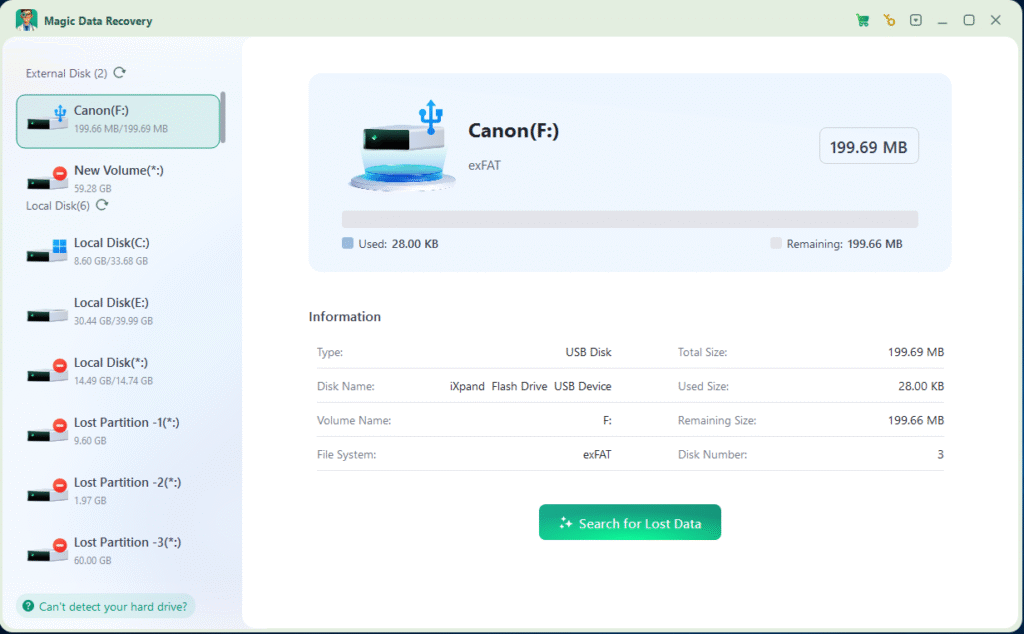
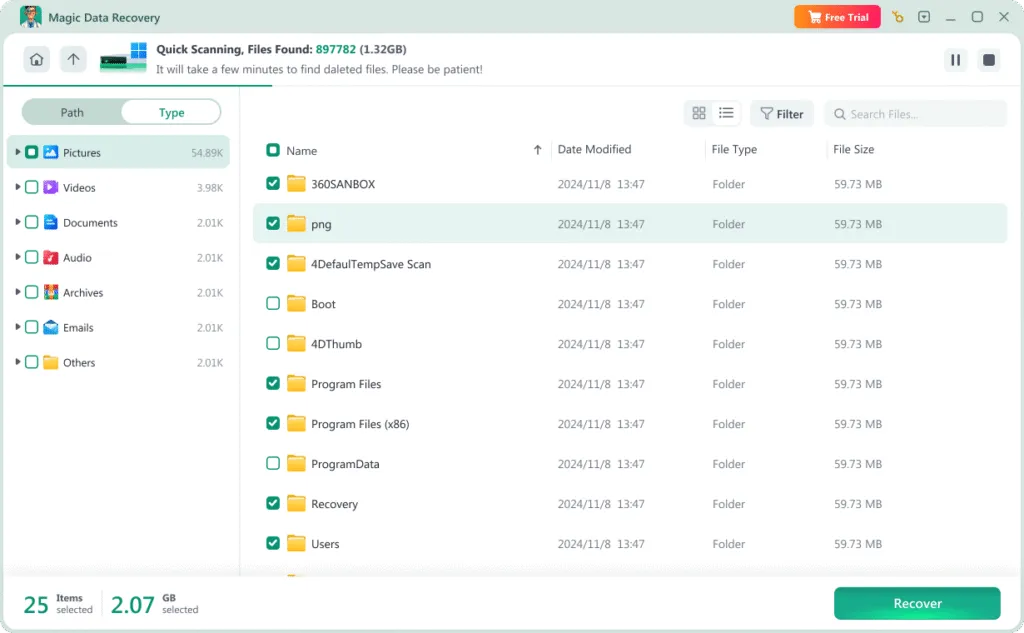
4. Anteprima e recupero - Selezionare i file e ripristinarli in una posizione sicura.


Conclusione
La perdita di dati importanti è stressante, ma seguire le giuste Soluzioni per il recupero dei dischi rigidi aumenta le possibilità di recupero. Evitate ulteriori danni agendo rapidamente e utilizzando strumenti affidabili come Magic Data Recovery, uno dei migliori software di recupero dati consigliato opzioni disponibili.
Per una soluzione di recupero affidabile, visitate Magic Data Recovery oggi stesso e ripristinare i file persi con facilità!
Supporta Windows 7/8/10/11 e Windows Server
FAQ
Cosa fare subito dopo aver perso dei file importanti?
È possibile recuperare i file dopo la formattazione di un disco rigido?
Il software di recupero dati gratuito è sicuro da usare?

Erin Smith è riconosciuta come una delle scrittrici più professionali di Amagicsoft. Negli ultimi 10 anni ha continuamente affinato le sue capacità di scrittura e ha aiutato milioni di lettori a risolvere i loro problemi tecnologici.