
Il numero di giri del disco rigido influisce sulla durata di vita?
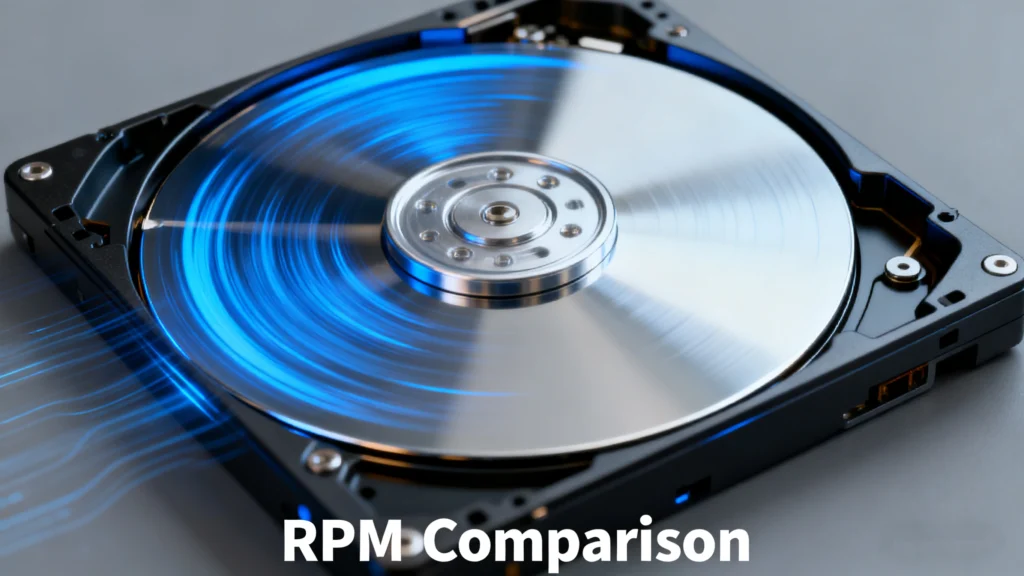
Disco rigido La velocità di rotazione (RPM) svolge un ruolo fondamentale nelle prestazioni dello storage. I piatti più veloci garantiscono tempi di accesso più brevi e una maggiore produttività, il che porta molti utenti a chiedersi se il numero di giri al minuto influisca anche sull'affidabilità. Un'unità da 7.200 RPM si usura più rapidamente di un modello da 5.400 RPM?
La conclusione è chiara: dati ingegneristici, documentazione del produttore ed esperienza sul campo. Il numero di giri al minuto da solo non determina la durata del disco rigido. Moderno HDD sono progettati per funzionare in modo affidabile alla velocità nominale del mandrino, e la longevità è determinata molto più dalle condizioni ambientali e di utilizzo che dal numero di giri.
Indice dei contenuti
Perché il numero di giri al minuto non riduce la durata del disco rigido
Prima di confrontare le classi di azionamenti, è utile capire perché una maggiore velocità del mandrino non significa necessariamente una minore durata.
L'ottimizzazione del design compensa le sollecitazioni ad alta velocità
Le unità a più alto numero di giri generano più calore e stress meccanico, ma gli ingegneri lo compensano in fase di progettazione. Utilizzano motori mandrino rinforzati, cuscinetti di precisione, componenti resistenti alle vibrazioni e un firmware ottimizzato per gestire l'espansione termica e la precisione della posizione della testina. Questi miglioramenti assicurano che le unità da 7.200 RPM e persino da 10.000 RPM possano funzionare entro limiti meccanici sicuri.
Le politiche di garanzia mostrano un'affidabilità comparabile
La maggior parte dei fornitori di storage fornisce identici periodi di garanzia per le unità disco da 5.400 RPM e 7.200 RPM. Se la maggiore velocità di rotazione aumentasse la probabilità di guasto, le garanzie sarebbero diverse. La parità di copertura indica che i produttori si aspettano una durata simile per le loro linee di unità consumer.
I modelli di guasto non sono correlati al numero di giri
I guasti ai dischi rigidi si manifestano in genere in due fasi:
Fallimenti nella prima parte della vita causati da difetti di fabbricazione
Fallimenti in tarda età causati dall'usura meccanica nel corso di anni di funzionamento
Nessuno dei due schemi si allinea costantemente alla velocità del mandrino. In pratica, le unità da 5.400 e 7.200 giri/min presentano tassi di guasto a lungo termine comparabili se mantenute a temperature sicure.
I fattori ambientali contano più del numero di giri
Il calore, gli urti, le vibrazioni e l'instabilità dell'erogazione di potenza hanno un impatto sull'affidabilità molto maggiore rispetto al numero di giri. Un'unità ben raffreddata da 7.200 giri/min sarà più longeva di un'unità mal ventilata da 5.400 giri/min. Un montaggio corretto, una gestione sicura e un'alimentazione pulita contano molto di più della velocità del mandrino.
Come si confrontano le diverse classi di RPM
Per capire perché l'RPM influisce più sulle prestazioni che sulla durata, la tabella seguente riassume le caratteristiche delle classi di unità disco comuni.
(Le velocità rappresentano le prestazioni tipiche di lettura/scrittura sequenziale).
| NUMERO DI GIRI | Casi d'uso principali | Velocità sequenziale tipica | Rumore / Calore | Tendenza alla longevità | Andamento dei prezzi |
|---|---|---|---|---|---|
| 5400 GIRI/MIN. | Computer portatili, unità esterne, backup | 80-100 MB/s | Basso | Lungo (basso carico meccanico) | Basso |
| 7200 GIRI/MIN | PC desktop, archiviazione per usi generici | 100-160 MB/s | Medio | Equilibrato | Medio |
| 10.000 GIRI AL MINUTO | Server, stazioni di lavoro | 160-200 MB/s | Alto | Più breve in caso di carico di lavoro pesante | Alto |
Anche le unità disco più veloci rimangono molto più lente delle unità SSD. Le unità SSD SATA raggiungono abitualmente i 500 MB/s, mentre le unità SSD NVMe raggiungono i 2.000-12.000 MB/s. Le unità disco continuano a essere utilizzate come dispositivi di archiviazione ad alta capacità ed efficienza economica, piuttosto che come dispositivi incentrati sulle prestazioni.
Cosa influisce realmente sulla durata del disco rigido
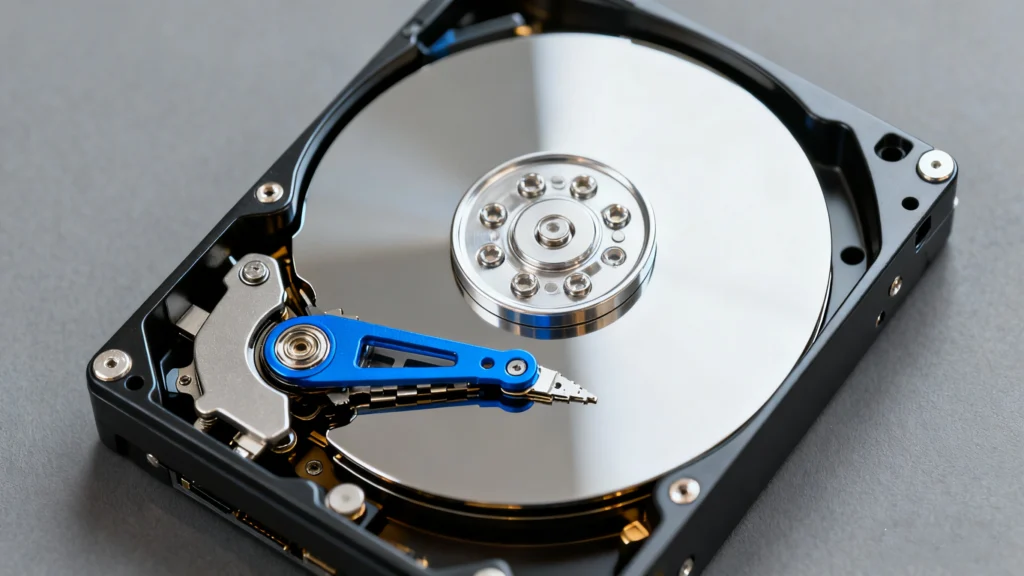
La comprensione dei veri fattori di affidabilità aiuta a spiegare perché il numero di giri non è la variabile decisiva.
1. Temperatura e raffreddamento
Temperature sostenute superiori a 50°C accelerano l'usura dei cuscinetti del mandrino, della lubrificazione del motore e dei componenti del circuito stampato. I convertitori di frequenza in contenitori o unità NAS traggono grande vantaggio da un flusso d'aria adeguato e da una temperatura ambiente costante.
2. Vibrazioni fisiche e urti
Qualsiasi urto o vibrazione durante il funzionamento può disallineare le testine o causare danni fisici alla superficie del piatto. Un montaggio stabile e la riduzione al minimo dei movimenti durante il funzionamento prolungano la vita utile.
3. Erogazione di energia stabile
Le interruzioni improvvise dell'alimentazione possono provocare scritture incomplete o cadute di testa. I sistemi dotati di un UPS o di un alimentatore di alta qualità riducono lo stress elettrico e migliorano la durata a lungo termine.
4. Carico di lavoro e ciclo di lavoro
L'intensità del carico di lavoro, compreso il funzionamento continuo 24 ore su 24 e 7 giorni su 7 o l'I/O casuale elevato, influisce sulla longevità. Le unità consumer sono progettate per carichi di lavoro moderati, mentre i modelli enterprise gestiscono cicli di lavoro significativamente più elevati.
5. Qualità del firmware e ingegneria meccanica
Il firmware delle moderne unità disco gestisce il parcheggio delle testine, la compensazione delle vibrazioni, la calibrazione termica e il recupero degli errori. Queste ottimizzazioni influenzano la durata di vita indipendentemente dalla velocità del mandrino e sono uno dei motivi principali per cui le unità moderne durano di più rispetto alle generazioni precedenti.
Consigli pratici per la scelta e la manutenzione dell'unità di trasmissione
Per scegliere l'unità giusta e prolungarne la durata, considerate le seguenti raccomandazioni.
Scegliere l'unità giusta
Uso generale del desktop
A HDD A 7.200 GIRI/MIN offre un mix equilibrato di velocità e costi.Backup, NAS o configurazioni a bassa rumorosità
A HDD DA 5.400 GIRI/MIN in genere funziona in modo più freddo e silenzioso durante il funzionamento a lungo termine.Carichi di lavoro ad alte prestazioni
Utilizzare un SSD per il sistema operativo e i dati attivi, e le unità disco per l'archiviazione di massa.
Per un uso sicuro e non distruttivo strumenti di recupero dati come Magic Data Recovery forniscono una scansione in sola lettura che evita un'ulteriore usura delle unità in avaria.
Le migliori pratiche per prolungare la durata degli HDD
Mantenere le temperature dell'unità entro limiti di sicurezza.
Evitare di spostare o urtare il sistema mentre l'unità è in rotazione.
Se possibile, utilizzare un gruppo di continuità per ridurre il rischio di danni elettrici.
Evitare l'attività continua ad alto carico sulle unità consumer-grade.
Mantenere almeno due copie di backup dei file importanti.
Fare il passo successivo
Capire come il numero di giri al minuto influisce (e non influisce) sulla durata di vita dei dischi rigidi aiuta a scegliere il sistema di memorizzazione giusto con sicurezza.
Se avete bisogno di recuperare i file da un'unità danneggiata o in avaria, Magic Data Recovery offre un approccio sicuro e di sola lettura che protegge i supporti da ulteriori sollecitazioni.
Supporta Windows 7/8/10/11 e Windows Server
Domande frequenti
Il numero di giri del disco rigido influisce sulla durata di vita?
Qual è la soluzione migliore per NAS o backup: 400 RPM o 7200 RPM?
È meglio un numero di giri più alto e 5400 giri sono considerati lenti?
Come si può controllare il numero di giri dell'unità?
Qual è il numero di giri tipico di un disco rigido?
Qual è la vita media di un HDD?
Dovrei usare un HDD ad alto numero di giri o un SSD per i giochi?
Perché alcuni dischi rigidi non riportano il numero di giri al minuto?

Eddie è uno specialista IT con oltre 10 anni di esperienza in diverse aziende rinomate del settore informatico. Porta in ogni progetto una profonda conoscenza tecnica e capacità di risolvere problemi pratici.