
Gelöschte ZIP-Dateien wiederherstellen: 5 sichere Methoden unter Windows
Wenn Sie Folgendes benötigen Gelöschte ZIP-Dateien wiederherstellen, nutzen Sie das betroffene Laufwerk nicht weiter, bevor neue Daten das gelöschte Archiv überschreiben. Eine ZIP-Datei kann eine komplette Fotosammlung, ein Projekt, ein Backup oder eine Dokumentensammlung enthalten. Diese Anleitung behandelt die Wiederherstellung aus dem Papierkorb, OneDrive, den Dateiverlauf, die Windows-Dateiwiederherstellung und weitere praktische Möglichkeiten zur ZIP-Dateien wiederherstellen. Falls das Archiv endgültig gelöscht wurde und keine Sicherungskopie mehr vorhanden ist, Magic Data Recovery könnte dabei helfen, den ursprünglichen Speicher zu durchsuchen und Gelöschte ZIP-Daten wiederherstellen.
Unterstützt Windows 7/8/10/11 und Windows Server
Inhaltsübersicht
Gelöschte ZIP-Datei vs. beschädigte ZIP-Datei: So erkennen Sie den Unterschied
Bevor Sie versuchen Gelöschte ZIP-Dateien wiederherstellen, bestätigen Sie, was passiert ist.
Eine gelöschte ZIP-Datei erscheint nicht mehr in ihrem ursprünglichen Ordner. Sie kann jedoch weiterhin im Papierkorb, in einer Sicherungskopie, im Cloud-Speicher oder im wiederherstellbaren Bereich des Dateisystems vorhanden sein.
Eine beschädigte ZIP-Datei ist zwar noch vorhanden, kann jedoch weder von Windows noch von einem Archivierungsprogramm geöffnet oder entpackt werden. In diesem Fall ist die Wiederherstellung nach dem Löschen nicht die erste Lösung. Sie benötigen eine weitere Kopie, ein Backup oder müssen die ZIP-Datei reparieren.
Diese Unterscheidung ist wichtig, da die Wiederherstellung eines gelöschten Archivs nicht automatisch beschädigte ZIP-Strukturen reparieren. Ebenso kann eine wiederhergestellte ZIP-Datei, die 0 Byte groß ist oder sich nicht entpacken lässt, möglicherweise teilweise überschrieben worden sein.
Was Sie vor der Wiederherstellung einer ZIP-Datei als Erstes tun sollten
Microsoft erklärt, dass Windows den Speicherplatz gelöschter Dateien als verfügbar kennzeichnen kann, während die ursprünglichen Daten möglicherweise so lange erhalten bleiben, bis sie durch neue Daten überschrieben werden. Reduzieren Sie daher unverzüglich die Aktivitäten auf dem betroffenen Laufwerk.
Bevor Sie Gelöschte ZIP-Dateien wiederherstellen:
- Beenden Sie das Herunterladen, Kopieren, Extrahieren oder Erstellen von Dateien auf dem Quelllaufwerk.
- Installieren Sie keine Wiederherstellungssoftware auf der Partition, auf der die ZIP-Datei verloren gegangen ist.
- Speichern Sie wiederhergestellte Dateien auf einem anderen Laufwerk.
- Formatieren Sie das Gerät nicht, nur weil das Archiv verschwunden ist.
- Wenn sich die ZIP-Datei auf einem SSD, handeln Sie schnell, denn TRIM und spätere Schreibvorgänge können die Wiederherstellbarkeit beeinträchtigen.
- Wenn ein Laufwerk klackert, wiederholt die Verbindung unterbricht oder in Windows nicht mehr angezeigt wird, sollten Sie keine eigenen Reparaturversuche mehr unternehmen. Software kann physische Schäden nicht beheben.
Methode 1: Gelöschte ZIP-Dateien aus dem Papierkorb wiederherstellen
Wenn Sie etwas von einem Windows-Laufwerk gelöscht haben, schauen Sie zunächst im Papierkorb nach. Das ist der einfachste Weg, um Gelöschte ZIP-Dateien wiederherstellen da Windows das Archiv wieder in seinen ursprünglichen Ordner verschieben kann.
- Öffnen Sie Papierkorb.
- Suche nach dem
.zipDateiname oder Sortieren nach Datum Gelöscht. - Klicken Sie mit der rechten Maustaste auf das Archiv.
- Wählen Sie Wiederherstellen.
- Öffnen Sie den ursprünglichen Ordner und testen Sie die ZIP-Datei.
Microsoft bestätigt, dass beim Wiederherstellen eines Elements aus dem Windows-Papierkorb dieses an seinen ursprünglichen Speicherort zurückverschoben wird.
Diese Methode hilft jedoch nicht, wenn die Tastenkombination „Umschalt+Entf“ gedrückt wurde, der Papierkorb geleert wurde oder Dateien von einem Wechseldatenträger gelöscht wurden.
Methode 2: OneDrive oder ein anderes Backup überprüfen
Befand sich das Archiv in einem mit OneDrive synchronisierten Ordner, überprüfen Sie zunächst die Cloud, bevor Sie die Festplatte scannen. Um Gelöschte ZIP-Dateien wiederherstellen, bei OneDrive anmelden, öffnen Papierkorb, wählen Sie die ZIP-Datei aus und wählen Sie Wiederherstellen.
Microsoft gibt an, dass Elemente im persönlichen OneDrive-Papierkorb in der Regel 30 Tage lang aufbewahrt werden, während die Aufbewahrungsdauer für berufliche oder schulische Zwecke davon abweichen kann.
Überprüfen Sie außerdem alle von Ihnen genutzten Sicherungslaufwerke, NAS-Geräte, E-Mail-Anhänge, gemeinsam genutzten Arbeitsbereiche oder Synchronisierungsdienste. Eine gültige gespeicherte Kopie ist der Wiederherstellung gelöschter Daten vorzuziehen.
Methode 3: ZIP-Dateien mit dem Dateiverlauf wiederherstellen
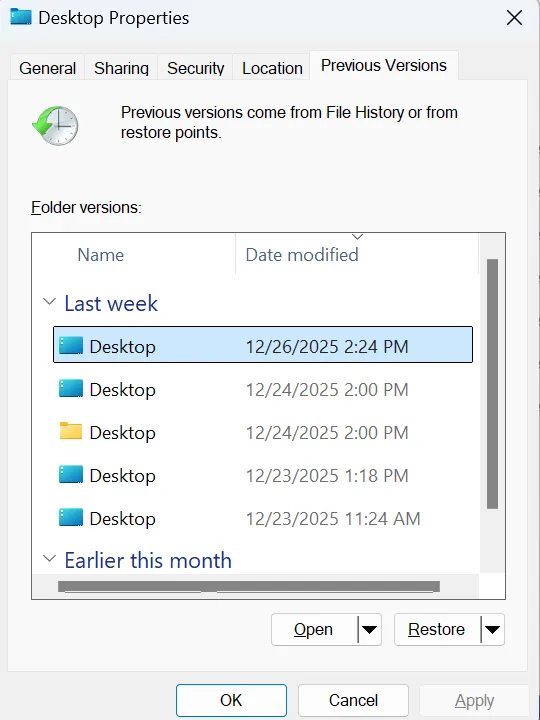
Der Dateiverlauf kann ZIP-Dateien wiederherstellen sofern Sie diese Funktion vor dem Löschen aktiviert hatten und Windows den Ordner gesichert hat. Microsoft beschreibt „Dateiversionsverlauf“ als eine Funktion, die Versionen persönlicher Dateien speichert und gelöschte Inhalte wiederherstellen kann.
- Öffnen Sie den Datei-Explorer.
- Wechseln Sie in den Ordner, in dem sich die ZIP-Datei befand.
- Klicken Sie mit der rechten Maustaste darauf und wählen Sie Frühere Versionen wiederherstellen.
- Wählen Sie eine Version aus, die vor der Löschung erstellt wurde.
- Öffnen Sie die Datei, um zu überprüfen, ob die ZIP-Datei angezeigt wird.
- Wählen Sie Wiederherstellen oder Wiederherstellen auf….
Das ist eine hilfreiche Antwort auf So stellen Sie gelöschte ZIP-Dateien auf dem PC wieder her ohne Software von Drittanbietern. Das funktioniert jedoch nur, wenn bereits eine frühere Version vorhanden ist.
Methode 4: Windows-Dateiwiederherstellung verwenden
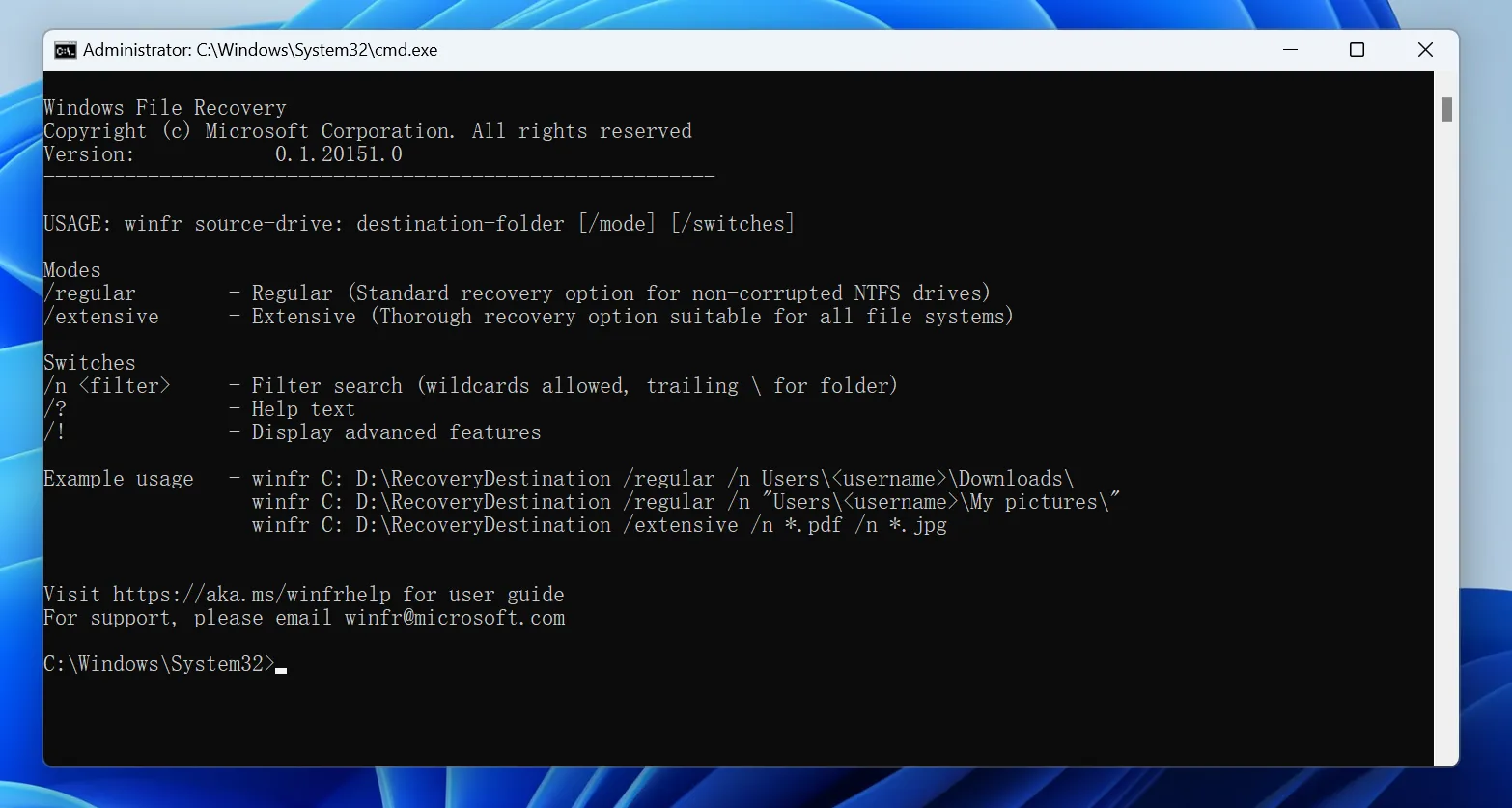
Falls das Archiv weder in den Sicherungskopien noch im Papierkorb zu finden ist, steht die Windows-Dateiwiederherstellung als Befehlszeilentool von Microsoft für gelöschte Dateien auf lokalen Speichermedien zur Verfügung. Es unterstützt interne Festplatten, externe Festplatten und USB-Geräte, jedoch keine Cloud-Speicher oder Netzwerkfreigaben.
Für eine kürzlich auf einem NTFS-Laufwerk gelöschte ZIP-Datei können Sie Folgendes verwenden:
winfr C: E: /regular /n *.zip
Hier, C: ist die Quelle und E: ist ein anderes Ziellaufwerk. Bei älteren Löschvorgängen, Formatierungen, Nicht-NTFS-Speichermedien oder schwierigeren Fällen empfiehlt Microsoft den „Extensive“-Modus.
winfr C: E: /extensive /n *.zip
Windows File Recovery kann Gelöschte ZIP-Dateien wiederherstellen ohne kommerzielle Software. Allerdings kann sich der Befehlszeilen-Workflow als weniger komfortabel erweisen, wenn Sie viele Ergebnisse visuell durchsehen möchten.
Methode 5: Gelöschte ZIP-Dateien mit Magic Data Recovery wiederherstellen
Wenn der Papierkorb leer ist, keine Sicherungskopien vorhanden sind oder die Windows-Dateiwiederherstellung das Archiv nicht findet, ist eine spezielle Wiederherstellungssoftware eine sinnvolle nächste Option.
Magic Data Recovery unterstützt gängige Windows-Dateisysteme, darunter NTFS und FAT/exFAT, und die offizielle Liste der unterstützten Dateiformate umfasst ZIP-Archive.
Im Gegensatz zu „Dateiverlauf“, „OneDrive“ oder dem „Papierkorb“ ist hierfür keine zuvor gespeicherte Sicherungskopie erforderlich. Stattdessen durchsucht es den Speicher nach wiederherstellbaren Dateieinträgen und Daten. Daher kann es nützlich sein, wenn Sie Gelöschte ZIP-Dateien wiederherstellen nach der endgültigen Löschung.
Dennoch kann kein Wiederherstellungstool Daten wiederherstellen, die bereits überschrieben wurden oder nicht mehr verfügbar sind. Auch SSD-TRIM, schwere Schäden am Dateisystem und physische Festplattenausfälle können die Wiederherstellung einschränken.
Sollten die integrierten Wiederherstellungsoptionen nicht mehr funktionieren, können Sie Magic Data Recovery ausprobieren, bevor neue Daten die gelöschten Dateien überschreiben.
So stellen Sie mit Magic Data Recovery gelöschte ZIP-Dateien wieder her
Schritt 1: Herunterladen und Installieren von Magic Data Recovery
Installieren Sie Magic Data Recovery auf einem Laufwerk oder einer Partition, die sich von der unterscheidet, auf der die ZIP-Datei gelöscht wurde. So vermeiden Sie, dass Daten überschrieben werden, die Sie noch wiederherstellen möchten.
Unterstützt Windows 7/8/10/11 und Windows Server
Schritt 2: Wählen Sie das Laufwerk aus, auf dem die ZIP-Datei gespeichert wurde
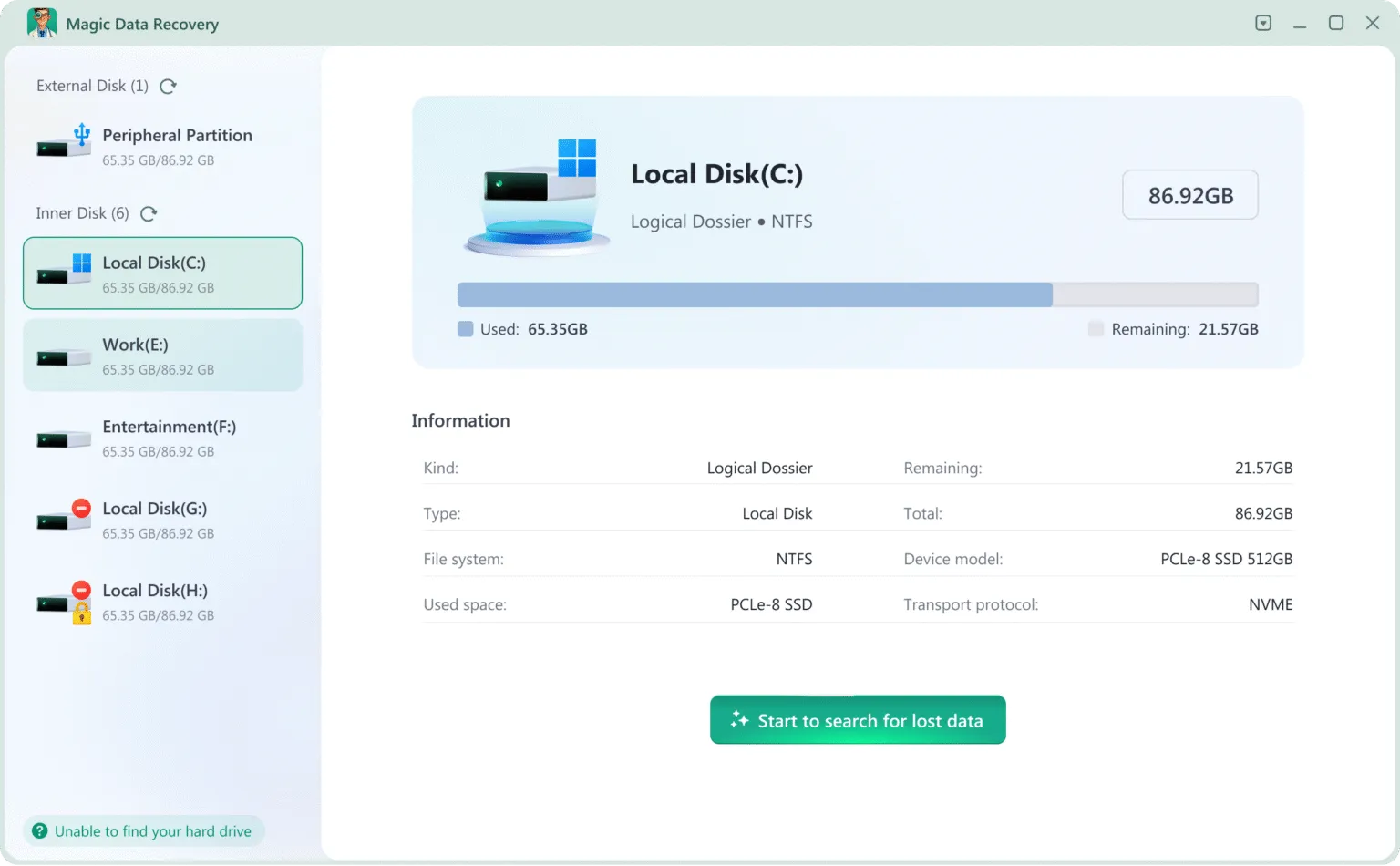
Starten Sie die Software und wählen Sie das ursprüngliche Laufwerk oder die Partition aus, auf der sich die gelöschten Dateien befanden. .zip Datei und starten Sie den Scan.
Schritt 3: Nach verlorenen oder gelöschten ZIP-Dateien suchen
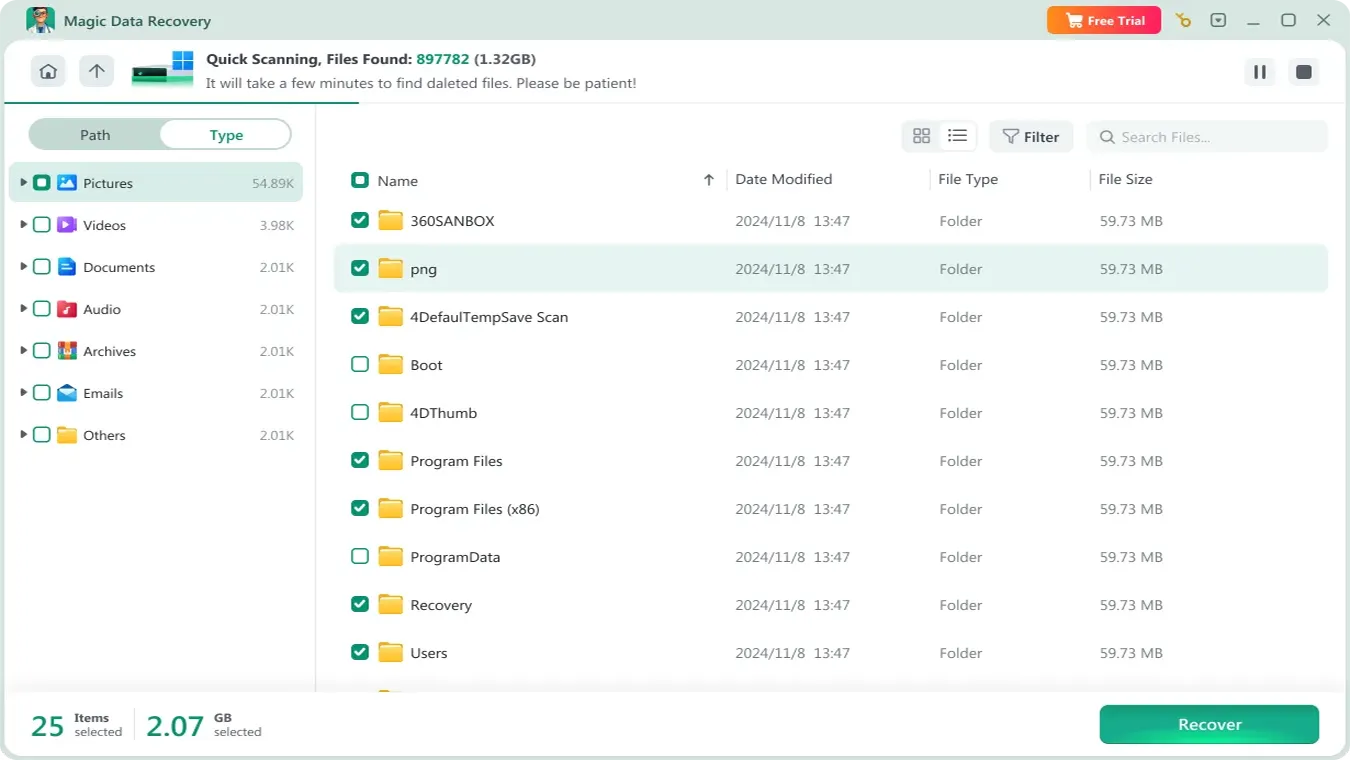
Lassen Sie den Scan ablaufen und überprüfen Sie die Ergebnisse, sobald sie angezeigt werden. Suchen Sie nach Möglichkeit nach ZIP-Archiven oder filtern Sie danach, damit Sie relevante Dateien schneller finden können.
Schritt 4: ZIP-Dateien an einem sicheren Ort speichern
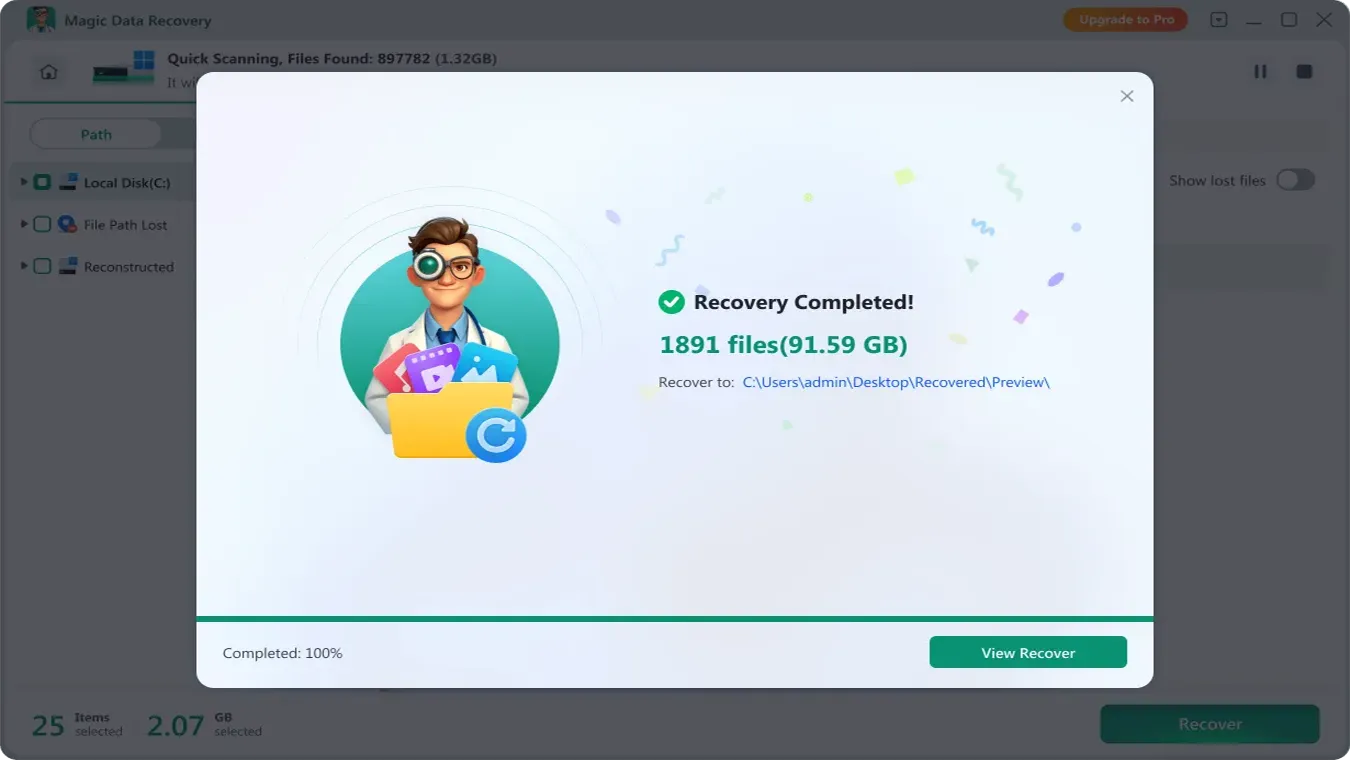
Wählen Sie die benötigten ZIP-Dateien aus und stellen Sie sie auf einem anderen intakten Laufwerk wieder her. Speichern Sie sie erst dann wieder an dem ursprünglichen Speicherort, an dem der Datenverlust aufgetreten ist, wenn Sie sich vergewissert haben, dass das wiederhergestellte Archiv funktioniert.
Warum sich eine wiederhergestellte ZIP-Datei möglicherweise nicht öffnen lässt
Die Tatsache, dass der richtige Dateiname gefunden wurde, bedeutet nicht, dass das gesamte Archiv erhalten geblieben ist. ZIP-Dateien enthalten komprimierte Daten und interne Verzeichnisinformationen. Wenn neue Daten einen Teil des Archivs überschrieben haben, kann die Entpackung fehlschlagen.
Häufige Ursachen sind:
- Neue Daten haben einen Teil des gelöschten Archivs überschrieben.
- Durch SSD-TRIM wurden gelöschte Blöcke unzugänglich gemacht.
- Die ZIP-Datei war bereits vor dem Löschen beschädigt.
- Es konnte nur ein Teil eines fragmentierten Archivs wiederhergestellt werden.
- Die wiederhergestellte ZIP-Datei ist 0 Byte groß oder deutlich kleiner als erwartet.
Deshalb sollten Sie, nachdem Sie Gelöschte ZIP-Dateien wiederherstellen, Testen Sie das Archiv, indem Sie es öffnen und einige Dateien in einen anderen Ordner extrahieren. Sollte dies fehlschlagen, wechseln Sie zur Wiederherstellung aus dem Backup oder zur Fehlerbehebung bei ZIP-Dateien, anstatt das Problem als erneute Löschung zu behandeln.
Sie können auch nach den Originaldateien suchen, die in die ZIP-Datei komprimiert wurden. Möglicherweise befinden sich noch Kopien davon im Cloud-Speicher, in E-Mail-Anhängen, in freigegebenen Ordnern, auf Sicherungslaufwerken oder auf einem anderen Computer.
Tipps zur Verbesserung der Wiederherstellung von ZIP-Dateien
Um Ihre Chancen zu verbessern ZIP-Dateien wiederherstellen, achten Sie darauf, ein Überschreiben zu verhindern und unabhängige Kopien zu bewahren. Aktivieren Sie die Dateiversionsgeschichte oder eine andere versionierte Sicherungsfunktion, überprüfen Sie große Archive, bevor Sie die Quelldateien löschen, und vermeiden Sie es, die einzige Kopie auf einem USB-Stick oder einer SD-Karte aufzubewahren.
Denken Sie außerdem daran, dass die Synchronisierung nicht immer eine dauerhafte Sicherung darstellt. Ein versehentliches Löschen kann sich auf andere Geräte übertragen, daher sollten wichtige Archive über eine eigenständige Sicherung verfügen.
Schlussfolgerung
Der sicherste Weg zu Gelöschte ZIP-Dateien wiederherstellen Beginnen Sie zunächst mit dem Papierkorb, OneDrive, der Dateiversionsgeschichte, früheren Versionen und anderen Sicherungskopien. Verwenden Sie anschließend die Windows-Dateiwiederherstellung, wenn Sie mit der Befehlszeile vertraut sind.
Sollten diese Möglichkeiten scheitern und die ZIP-Datei endgültig aus dem lokalen Speicher gelöscht worden sein, Magic Data Recovery bietet eine Wiederherstellung gelöschter Dateien Option, indem Sie das betroffene Laufwerk nach wiederherstellbaren ZIP-Daten durchsuchen. Allerdings können Überschreibungen, SSD-TRIM, schwere Beschädigungen und physische Ausfälle ein brauchbares Ergebnis verhindern. Beenden Sie daher alle Schreibvorgänge auf dem Quelllaufwerk und speichern Sie die wiederhergestellten Dateien an einem anderen Ort.
Unterstützt Windows 7/8/10/11 und Windows Server
FAQs
Wie kann ich gelöschte ZIP-Dateien unter Windows 11 wiederherstellen?
Um gelöschte ZIP-Dateien unter Windows 11 wiederherzustellen, sehen Sie zunächst im Papierkorb nach. Versuchen Sie es anschließend mit OneDrive, der Dateiversionsgeschichte, früheren Versionen oder einer anderen Sicherung. Wenn das Archiv endgültig gelöscht wurde, kann die Windows-Dateiwiederherstellung den lokalen Speicher scannen. Ein grafisches Wiederherstellungstool wie Magic Data Recovery ist eine weitere Option, wenn die integrierten Methoden die ZIP-Datei nicht finden.
Wie kann ich gelöschte ZIP-Dateien auf dem PC wiederherstellen, nachdem ich den Papierkorb geleert habe?
Wenn Sie wissen möchten, wie Sie gelöschte ZIP-Dateien auf dem PC wiederherstellen können, nachdem Sie den Papierkorb geleert haben, sollten Sie das betroffene Laufwerk nicht mehr verwenden. Überprüfen Sie anschließend den Dateiverlauf, Cloud-Backups und andere Kopien. Falls kein Backup vorhanden ist, scannen Sie den ursprünglichen Speicherort mit der Windows-Dateiwiederherstellung oder einer Datenwiederherstellungssoftware, bevor neue Dateien das gelöschte Archiv überschreiben.
Kann ich dauerhaft gelöschte ZIP-Dateien wiederherstellen?
Gelöschte ZIP-Dateien lassen sich möglicherweise auch nach einer endgültigen Löschung wiederherstellen, sofern die zugrunde liegenden Daten noch vorhanden sind. Je länger Sie das Laufwerk weiter nutzen, desto unwahrscheinlicher wird eine Wiederherstellung. Auch die TRIM-Funktion von SSDs kann die Wiederherstellbarkeit beeinträchtigen. Beginnen Sie mit Backups und versuchen Sie es anschließend mit der Windows-Dateiwiederherstellung oder einer Wiederherstellungssoftware. Bei physischen Schäden am Speichermedium ist eine professionelle Wiederherstellung erforderlich, die nicht mit Software durchgeführt werden kann.
Kann „Dateiverlauf“ ZIP-Dateien wiederherstellen?
Mit dem Dateiverlauf lassen sich ZIP-Dateien wiederherstellen, wenn Windows vor dem Löschen eine Sicherungskopie des Ordners erstellt hat. Öffnen Sie die Liste „Vorherige Versionen“ des Ordners und wählen Sie eine Version aus, die vor dem Datenverlust erstellt wurde. Der Dateiverlauf kann jedoch kein Archiv wiederherstellen, das nie gesichert wurde. In diesem Fall benötigen Sie eine andere gespeicherte Kopie oder eine Methode zur Wiederherstellung gelöschter Dateien.
Warum lässt sich meine wiederhergestellte ZIP-Datei nicht öffnen?
Eine wiederhergestellte ZIP-Datei lässt sich möglicherweise nicht öffnen, wenn ein Teil der komprimierten Daten oder der Verzeichnisstruktur überschrieben, gekürzt oder beschädigt wurde. Der Dateiname kann erhalten bleiben, auch wenn wichtige Archivdaten verloren gegangen sind. Vergleichen Sie die wiederhergestellte Größe mit der erwarteten Größe und überprüfen Sie anschließend Ihre Sicherungskopien oder stellen Sie die Originaldateien aus der ZIP-Datei wieder her, anstatt sich auf ein unvollständiges Archiv zu verlassen.
Kann ich ZIP-Dateien von einer SSD wiederherstellen?
Manchmal kann man ZIP-Dateien wiederherstellen von einer SSD, aber TRIM kann dazu führen, dass gelöschte Blöcke für Wiederherstellungssoftware nicht mehr zugänglich sind. Stellen Sie die Nutzung der SSD sofort ein und überprüfen Sie zunächst Ihre Sicherungskopien. Falls keine Kopie vorhanden ist, führen Sie so bald wie möglich einen Scan durch. Wiederherstellungssoftware kann keine Daten wiederherstellen, die von der SSD bereits intern gelöscht wurden oder die durch neue Daten überschrieben wurden.
Wie lässt sich der Verlust von ZIP-Dateien am sichersten verhindern?
Bewahren Sie mindestens zwei Kopien wichtiger ZIP-Archive auf unterschiedlichen Geräten oder Diensten auf. Aktivieren Sie außerdem die Dateiversionsgeschichte oder eine andere versionierte Sicherungsfunktion für aktive Ordner. Vergewissern Sie sich vor dem Löschen der Quelldateien, dass sich die ZIP-Datei korrekt öffnen und entpacken lässt. Verlassen Sie sich bei kritischen Daten schließlich nicht allein auf die Synchronisierung; sorgen Sie für eine unabhängige Sicherung, die versehentliche Löschungen nicht sofort nachwirken lassen.

Vasilii ist ein Datenrettungsspezialist mit rund 10 Jahren praktischer Erfahrung in diesem Bereich. Im Laufe seiner Karriere hat er Tausende von komplexen Fällen mit gelöschten Dateien, formatierten Laufwerken, verlorenen Partitionen und RAW-Dateisystemen erfolgreich gelöst. Sein Fachwissen umfasst sowohl manuelle Wiederherstellungsmethoden mit professionellen Tools wie Hex-Editoren als auch fortschrittliche automatische Lösungen mit Wiederherstellungssoftware. Vasilii hat es sich zur Aufgabe gemacht, zuverlässiges Wissen zur Datenwiederherstellung sowohl IT-Fachleuten als auch normalen Nutzern zugänglich zu machen und ihnen dabei zu helfen, ihre wertvollen digitalen Ressourcen zu schützen.