
Arreglar Error de Disco o Disco No-Sistema: Explicación de los problemas de arranque
Índice
¿Cuál es la causa del error de disco no perteneciente al sistema?
Este error no suele significar que se hayan perdido todos los datos. Cuando se produce este problema, el sistema suele intentar arrancar desde un dispositivo incorrecto o no encuentra información de arranque válida. Como resultado, los datos del usuario suelen permanecer intactos aunque el ordenador no se inicie con normalidad. Las causas más comunes son:
• Un orden de arranque incorrecto en BIOS/UEFI (por ejemplo, el sistema da prioridad a una unidad USB o disco externo sobre el disco interno del sistema)
• Soportes no arrancables insertado en el ordenador, como una unidad flash USB o un DVD
• Archivos de arranque MBR o EFI dañados
• Una unidad del sistema desconectada o averiada
• Una partición incorrecta marcada como activa (en sistemas basados en MBR)
• Errores del sistema de archivos en la partición del sistema
En la mayoría de los casos, los datos del usuario permanecen intactos aunque el sistema no pueda arrancar.
Comprobaciones inmediatas antes de la reparación
Mantenga la calma y realice las siguientes comprobaciones básicas antes de iniciar reparaciones avanzadas:
1. Retire los dispositivos externos
Desconecte todas las unidades USB, tarjetas de memoria, discos duros externos y DVD.
2. Reinicie y entre en BIOS/UEFI
Pulse Del, F2, o la tecla específica del fabricante durante el arranque.
3. Verificar el orden de arranque
Confirme que el disco interno del sistema (SSD o HDD) aparece como primer dispositivo de arranque.
Si el error sigue apareciendo, pase a los métodos de reparación estructurados.
Cómo Reparar el Error de Disco o Disco No-Sistema (Paso a Paso)
Método 1: Reparar registros de arranque (Windows)
1. Arranque el ordenador desde un USB de instalación de Windows.
2. Seleccione Reparar el equipo → Solución de problemas → Opciones avanzadas → Símbolo del sistema..
3. Ejecute los siguientes comandos en sistemas basados en MBR:
bootrec /fixmbr
bootrec /fixboot
bootrec /rebuildbcd
4. 4. Reinicie el ordenador.
En los sistemas UEFI, es posible que tenga que reconstruir los archivos de arranque EFI utilizando el comando bcdboot mando.
Método 2: Comprobar el disco y el sistema de archivos
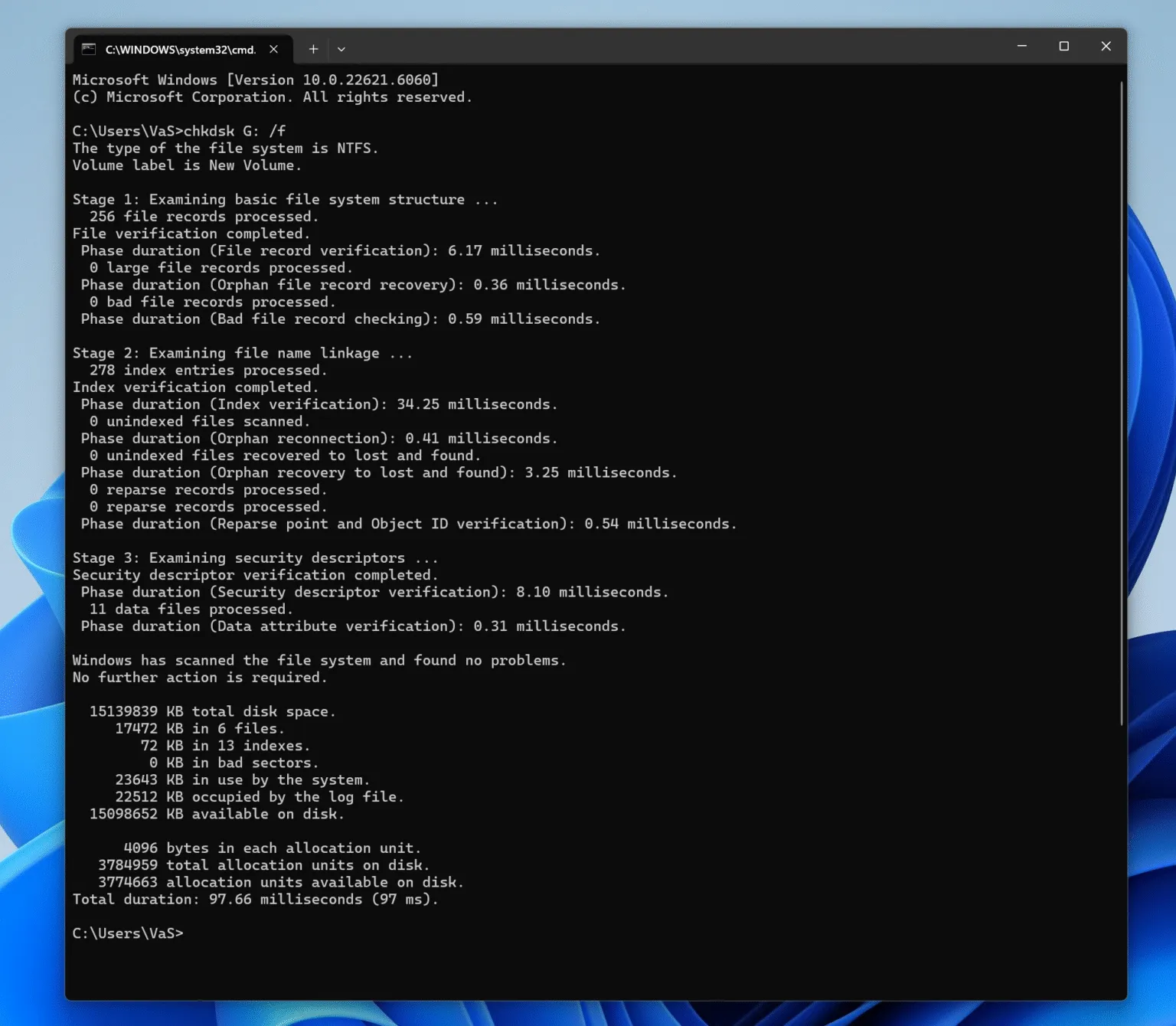
La corrupción del sistema de archivos puede impedir que el sistema detecte la información de arranque. Ejecutar el CHKDSK /f puede resolver muchos problemas de disco lógico.
1. Arranque desde una unidad WinPE o conecte el disco del sistema a otro ordenador.
2. Abra Símbolo del sistema de Windows Recovery.
3. Corre:
chkdsk C: /f
4. Espere a que finalice el escaneado y reinicie desde la unidad reparada.
Consideraciones sobre seguridad y recuperación de datos
Si el disco aparece en la BIOS pero sigue sin arrancar, evite formatear la unidad o reinstalar Windows inmediatamente. Estas acciones pueden sobrescribir los datos recuperables.
En esta fase, un software de recuperación profesional como Magic Data Recovery por Amagicsoft le permite escanear el disco afectado en modo sólo lectura. Este método permite recuperar archivos personales -documentos, fotos y vídeos- antes de intentar reparaciones invasivas del sistema.
Magic Data Recovery es compatible:
- Discos de arranque y de no arranque
• NTFS, FAT32, y exFAT sistemas de archivos
- Recuperación externa mediante conexiones USB o disco secundario
Cuando se sospecha un fallo del hardware
Si la unidad no se detecta en BIOS o Administrador de dispositivos, El problema puede ser físico. En tales casos:
- Pruebe con otro ordenador o cable para ver si se puede reconocer
- Evite los ciclos de alimentación repetidos
- Enviar la unidad a una empresa local de servicios de recuperación
Conclusión
Compatible con Windows 7/8/10/11 y Windows Server
FAQ: Error de disco o disco no perteneciente al sistema
¿Cómo solucionar un error de disco o disco no de sistema?
¿Cómo solucionar un error de disco?
¿Qué es un error de disco o disco no de sistema en Windows 11?
¿Cómo solucionar el error de disco duro en HP?
¿Cuáles son los problemas habituales de arranque?
¿Es seguro reparar errores de disco yo mismo?
¿Cómo reiniciar el ordenador si tiene un error de sistema?

Vasilii es un especialista en recuperación de datos con unos 10 años de experiencia práctica en este campo. A lo largo de su carrera, ha resuelto con éxito miles de casos complejos relacionados con archivos borrados, unidades formateadas, particiones perdidas y sistemas de archivos RAW. Su experiencia abarca tanto métodos de recuperación manual con herramientas profesionales como editores hexadecimales como soluciones automatizadas avanzadas con software de recuperación. La misión de Vasilii es poner los conocimientos sobre recuperación de datos al alcance tanto de los profesionales informáticos como de los usuarios de a pie, ayudándoles a salvaguardar sus valiosos activos digitales.