
SanDisk Drive Not Recognized? Causes and Fixes
If your SanDisk drive is not recognized by your computer, it can be both frustrating and concerning—especially when there are important files on the device. Whether you are using a SanDisk USB flash drive, SD card, or external hard drive, detection issues often appear suddenly and without clear warning.
Fortunately, most SanDisk recognition issues stem from software, connectivity, or file system errors rather than permanent hardware failure. In this guide, we’ll explain why your computer cannot detect the SanDisk drive, how to troubleshoot the issue step by step, and what to do if you need to recover data from USB drives safely.
Table of Contents
SanDisk Drive Not Recognized: What It Means and Why It Happens
When a SanDisk drive is not recognized, it typically means you have physically connected the device, but the system fails to identify or assign it properly. This issue can affect SanDisk USB flash drives, SD cards, portable SSDs, and external hard drives, and it often occurs without warning.
Common signs include:
- The drive does not appear in File Explorer
- A “USB device needs formatting” message
- The drive shows in Disk Management but has no drive letter
- The device connects and disconnects repeatedly
Understanding the root cause is critical before attempting repairs or data recovery.
Why Is a SanDisk Drive Not Recognized?
Several factors can cause a SanDisk drive not to show up:
- Driver issues (outdated, corrupted, or missing USB drivers)
- File system corruption due to improper ejection or power loss
- Bad USB ports or cables
- Partition problems (unallocated or RAW format)
- Firmware errors on SanDisk devices
- Physical damage to the flash memory or controller
In many cases, the drive still contains intact and recoverable data if you handle it correctly.
How to Fix a Not Recognized SanDisk Drive (Without Data Loss)
1. Check Basic Hardware Connections
- Try a different USB port or cable
- Avoid USB hubs; connect directly to the motherboard
- Test the not recognized SanDisk drive on another computer
If the drive works elsewhere, the issue is system-specific.
2. Check Disk Management
Open Disk Management and verify whether the SanDisk drive appears:
- If visible but without a drive letter, assign one manually
- If marked as RAW or unallocated, avoid formatting immediately
This step confirms whether the system detects the hardware at a low level.
3. Update or Reinstall USB Drivers
Outdated drivers are a common cause of undetected SanDisk devices:
- Uninstall the USB controller from Device Manager
- Restart the system to reinstall drivers automatically
- Install the latest chipset drivers if necessary
4. Run File System Repair
If the SanDisk drive appears in the system but you cannot open it correctly, running a file system repair tool may help resolve logical errors. On Windows, you can do this using the built-in CHKDSK command.
You can open Command Prompt as an administrator and run:
chkdsk X: /f
(Replace X: with the drive letter that your system assigned to the SanDisk device.)
The /f parameter tells the system to fix detected file system errors automatically. This method is effective for minor corruption caused by improper removal or sudden power loss.
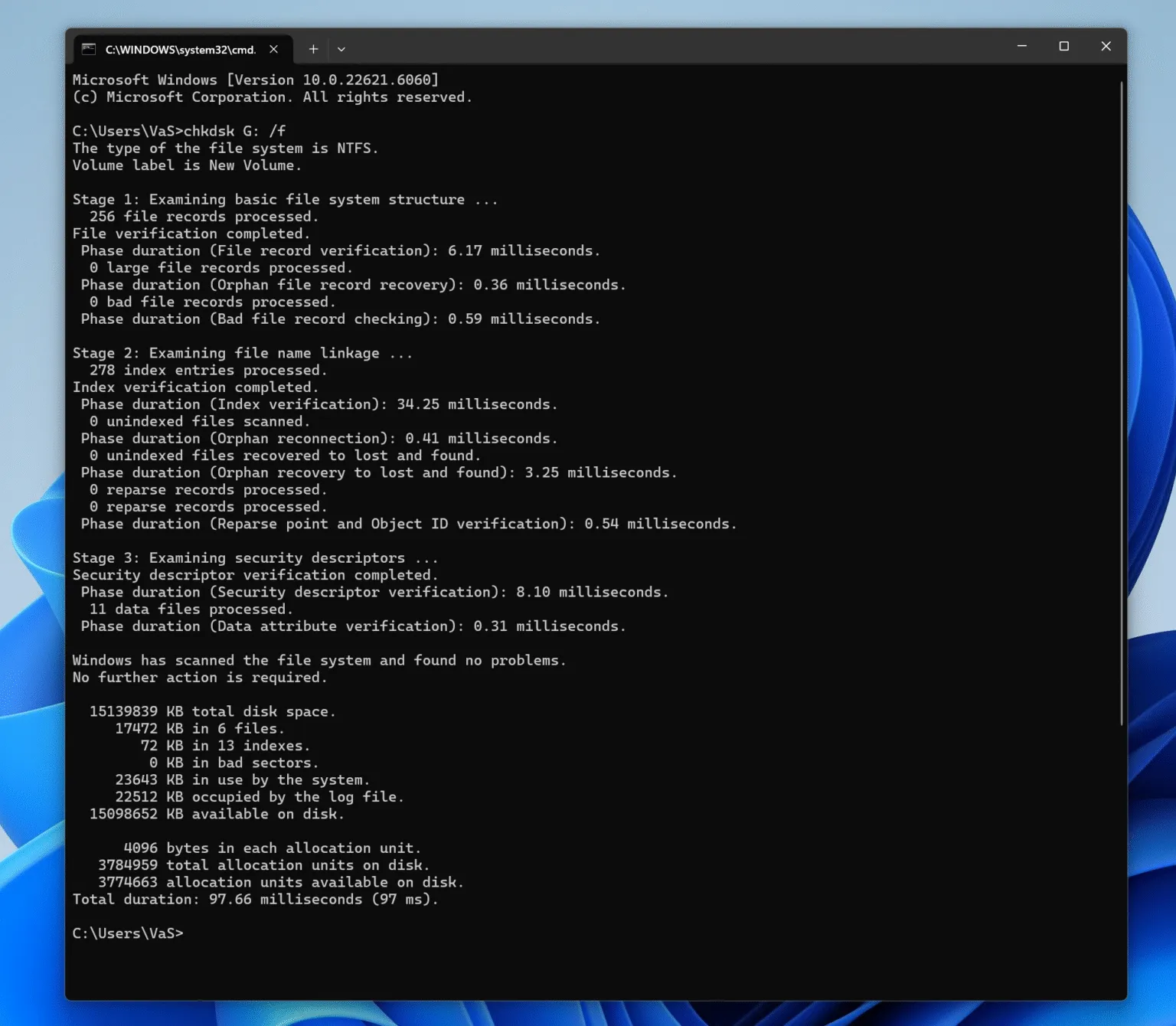
However, if the not recognized SanDisk drive contains important data or shows severe corruption, running CHKDSK may result in data loss. In such cases, it is strongly recommended to perform data recovery first before attempting file system repair.
Recover Data from a SanDisk Drive Not Recognized
When manual fixes fail or you don’t want to risk data loss, data recovery software is often the safest solution. Magic Data Recovery helps you recover files from:
- SanDisk USB drives not recognized
- SanDisk SD cards not detected
- External hard drives that do not show up
- Drives with corrupted or missing partitions
The software performs an Advanced Scan that bypasses file system damage and locates recoverable data directly from the storage sectors.
How to Prevent SanDisk Detection Issues in the Future
- Always use “Safely Remove Hardware”
- Avoid power interruptions during file transfers
- Do not use low-quality USB cables or hubs
- Keep backups of important data
- Periodically check drives for file system errors
Preventive measures are especially important for flash-based storage with limited write cycles.
Conclusion
SanDisk drive not recognized issue does not automatically mean your data is lost. In most cases, the issue is related to software, drivers, or file system errors rather than physical failure. By following the correct troubleshooting steps and using reliable USB recovery tools like Magic Data Recovery, you can restore access to your files safely and efficiently—without unnecessary formatting or data loss.
Supports Windows 7/8/10/11 and Windows Server
FAQ: SanDisk Drive Not Recognized
Why is SanDisk not being recognized?
Why is my SanDisk hard drive not showing up?
Can you fix a USB drive that is not recognized?
How do I fix my SanDisk SD card not detected?
What is the lifespan of a SanDisk flash drive?
How do I fix an undetected external hard drive?
What are common SanDisk problems?
How do I force my hard drive to detect?

Vasilii is a data recovery specialist with around 10 years of hands-on experience in the field. Throughout his career, he has successfully solved thousands of complex cases involving deleted files, formatted drives, lost partitions, and RAW file systems. His expertise covers both manual recovery methods using professional tools like hex editors and advanced automated solutions with recovery software. Vasilii's mission is to make reliable data recovery knowledge accessible to both IT professionals and everyday users, helping them safeguard their valuable digital assets.