
フルバックアップと増分バックアップおよび差分バックアップの比較
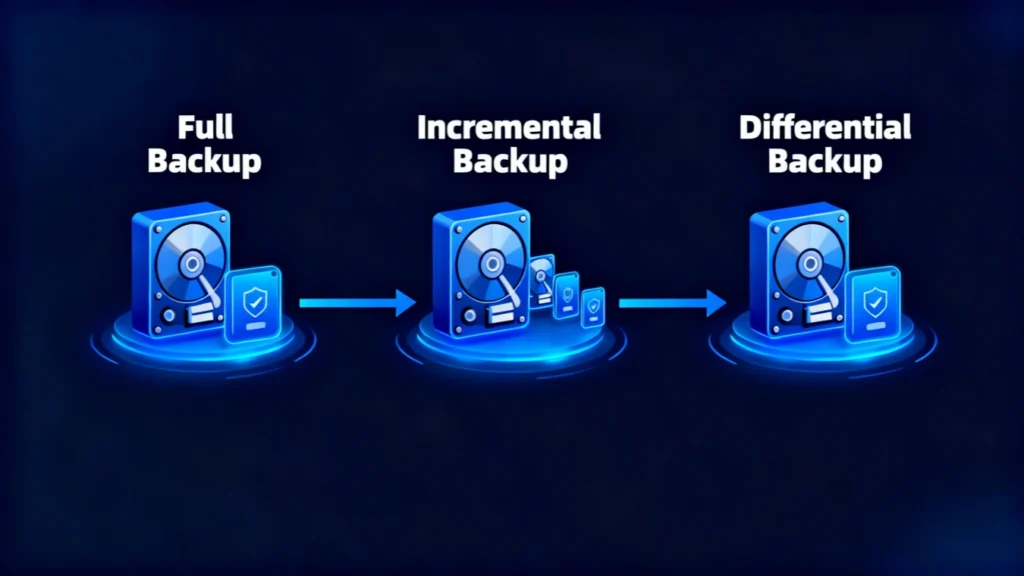
データ損失 都合の良いタイミングで起こることはめったにありません。最も必要としているまさにその瞬間に、ハードドライブが故障したり、重要なフォルダが削除されたり、ランサムウェアによってアクセス可能なファイルが破損したり、バックアップセットが不完全であることが判明したりすることがあります。このため、どのように フルバックアップ この作業は、信頼性の高いデータ保護計画を策定する上で最も重要なステップの一つです。.
A フルバックアップ 定義されたバックアップ範囲内の選択されたデータをすべてコピーします。これとは異なり、 増分バックアップ, 、これは前回のバックアップ以降に行われた変更を保存するもので、あるいは 増分バックアップ, これは最新の完全コピー以降に行われた変更を保存するものであり、完全バックアップは独立したリカバリベースラインを作成します。.
しかし、完全なコピーが必ずしも システムイメージ. この違いは、個々のファイルを復元したり、コンピュータ全体を復元したり、実用的なものを設計したりする際に重要になります。 バックアップ戦略.
このガイドでは、各バックアップ方式の仕組み、その利点と制限、使用すべき場面、およびバックアップが欠落したり、破損したり、利用できない場合の対処法について解説します。.
目次
とは何か? フルバックアップ?
A フルバックアップ 特定のバックアップジョブで選択されたすべてのデータの完全なコピーです。ソフトウェアや設定によっては、その範囲には、文書、写真、動画、データベース、アプリケーションデータ、フォルダ、パーティション、あるいはディスク全体が含まれる場合があります。.
最大の利点は、独立性です。.
フルバックアップから復元する場合、通常、それ以前の増分バックアップファイルの連鎖は必要ありません。選択したバックアップセットには、その時点のデータがすでに含まれているからです。.
たとえば、ある企業が共有ドライブに500 GBのプロジェクトファイルを保存しているとします。日曜日に完全なコピーを作成した場合、日曜日のバックアップには選択されたすべてのプロジェクトデータが含まれます。月曜日に元のドライブに障害が発生しても、管理者は、まず数日分のバックアップセットを再構築することなく、日曜日のコピーを復元することができます。.
このシンプルな復旧構造により、フルバックアップは復旧のベースラインとして特に有用となります。.
どのようにして フルバックアップ 仕事?
基本的なプロセスは通常、以下の4つのステップで進められます:
- バックアップソフトウェアは、バックアップ対象に含まれるファイル、フォルダ、パーティション、またはディスクを特定します。.
- 最近変更されたファイルだけでなく、選択されたすべてのデータを読み込みます。.
- そのデータを、外付けドライブ、NASデバイス、バックアップサーバー、クラウドなどの別の保存先にコピーします。.
- このソフトウェアは、後で復旧に利用できるよう、バックアップセットを記録します。.
このソフトウェアは、選択されたデータセット全体をコピーするため、 フルバックアップ 通常、よりも多くの時間とストレージ容量を必要とします。 増分バックアップ または 増分バックアップ.
しかし、依存関係が少ないため、復旧作業は往々にしてより簡単になります。.
「とは」 フルバックアップ 含める?
答えは、何を保護するかによって異なります。.
よくある間違いは、すべての……だと決めつけてしまうことです。 フルバックアップ これには、Windows、インストール済みのアプリケーション、個人用ファイル、システム設定、起動情報、およびコンピュータ上のすべてのパーティションが自動的に含まれる。しかし、必ずしもそうとは限らない。.
「フル」という言葉は、選択された範囲内でのバックアップ方法を表すものです。範囲そのものを自動的に定義するものではありません。.
ファイル単位の完全バックアップ
ファイル単位のバックアップには、次のような選択したフォルダを含めることができます:
- 書類
- デスクトップファイル
- 写真
- ビデオ
- プロジェクトフォルダ
- 業務記録
- アプリケーションデータ
この場合 フルバックアップ 選択したすべてのファイルが含まれていますが、オペレーティングシステムやブート設定は含まれていない場合があります。.
パーティションまたはディスクのバックアップ
バックアップアプリケーションの中には、パーティション全体やディスク全体を保護できるものもあります。.
ソフトウェアによっては、以下が含まれる場合があります:
- ファイルシステムのデータ
- 用途
- ユーザーファイル
- システムファイル
- ディスク構造
- リカバリパーティション
この種のバックアップは、多くのユーザーが「イメージバックアップ」と呼ぶものに近くなります。.
フル・バックアップとインクリメンタル・バックアップとディファレンシャル・バックアップの比較
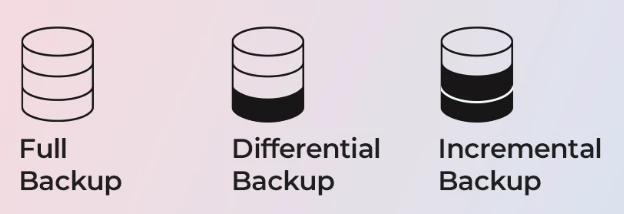
これら3つの手法の違いを理解しておけば、適切な復旧ワークフローを容易に選択できるようになります。.
バックアップ・タイプ | コピー対象 | バックアップ速度 | 保管方法 | 復元プロセス | ベストユース |
フルバックアップ | 選択されたすべてのデータ | 最も遅い | 最高 | シンプル | ベースラインのバックアップ |
増分バックアップ | 前回のバックアップ以降の変更点 | 最速 | 最低 | バックアップチェーンが必要です | こまめなバックアップ |
差分バックアップ | 前回のフルバックアップ以降の変更点 | ミディアム | ミディアム | 完全版+最新の差分 | スピードと回復力のバランス |
フルバックアップ 対 増分バックアップ
アン 増分バックアップ 直近のバックアップ処理以降に変更されたデータのみを保存します。.
例えば、こうだ:
- 日曜日: 完全バックアップ
- 月曜日:インクリメンタルA
- 火曜日:インクリメンタルB
- 水曜日:インクリメンタルC
水曜日にデータを復元する必要がある場合、復旧プロセスには、日曜日のフルコピーに加え、月曜日、火曜日、水曜日の増分セットが必要になる可能性があります。.
最大のメリットは効率性です。増分バックアップはデータ量が少なく、通常は短時間で完了します。.
主な欠点は依存関係です。バックアップチェーンの一部が利用できなくなったり破損したりすると、復旧作業が複雑になる可能性があります。.
フルバックアップ 対 差分バックアップ
A 増分バックアップ 直近の完全コピー以降に行われたすべての変更を記録します。.
例えば、こうだ:
- 日曜日: 完全バックアップ
- 月曜日:日曜日からの変更点
- 火曜日:日曜日以降のすべての変更点
- 水曜日:日曜日以降のすべての変更点
水曜日の状態を復元するには、通常、日曜日のフルコピーと水曜日の最新の増分バックアップが必要です。.
これにより、実用的な妥協案が生まれます。バックアップセットはサイクルを通じて増え続けますが、復元プロセスでは通常、増分チェーンよりも少ないファイル数で済みます。.
増分バックアップ 対 差分バックアップ
[選択] 増分バックアップ バックアップ速度とストレージ効率が最も重要となる場合。.
を選択する。 増分バックアップ よりシンプルな復元プロセスを希望し、1日あたりのバックアップファイルサイズが大きくなっても構わない場合。.
どちらも定期的なものに代わるものではありません フルバックアップ. 。その代わり、どちらの方法も通常、完全なコピーを基準としています。.
の利点と欠点 フルバックアップ
どのような状況においても、理想的なバックアップ方法など存在しません。役立つのは バックアップ戦略 バックアップ速度、ストレージコスト、復旧速度、および許容可能なデータ損失のバランスをとります。.
の利点 フルバックアップ
主なメリットは以下の通りです:
単純な復旧: 通常、完全バックアップは長いバックアップチェーンに依存することはありません。.
復元ワークフローの高速化: 復元ソフトウェアは、多くの場合、1つの完全なバックアップセットから直接復元を行うことができます。.
明確な回復の基準値: 管理者は、特定のフルバックアップの日付にどのデータセットが対応しているかを正確に把握しています。.
依存リスクの低減: 1つの増分ファイルが破損しても、完全なコピーに遡るチェーンが途切れることはありません。.
長期的な定着に役立ちます: 定期的に完全なコピーを作成しておくことは、重要な復旧ポイントとなります。.
のデメリット フルバックアップ
トレードオフも同様に重要です。.
ストレージ使用量の詳細: 選択したデータをすべて繰り返しコピーすると、大幅に多くの容量を消費してしまいます。.
バックアップウィンドウの延長: 大容量のディスクの読み取りやコピーには、かなりの時間がかかる場合があります。.
帯域幅要件の増加: ネットワークやクラウドによるバックアップでは、大量のデータが転送される場合があります。.
頻繁に完全コピーを行うと、非効率になる可能性があります: 変更されるデータがごくわずかであれば、毎日数百ギガバイトものデータをバックアップする必要はないかもしれません。.
このため、多くのユーザーは、定期的なフルバックアップと増分バックアップや差分バックアップを組み合わせて利用しています。.
信頼できるバックアップのベストプラクティス

バックアップの作成は最初のステップに過ぎない。 データを保護する. .バックアップ・プランは、次の両方であるべきだ。 余剰 そして 確認可能, 異なるストレージタイプを組み合わせたり、定期的にテストしたりすることです。バックアップ戦略をより効果的にするためのベストプラクティスをいくつか紹介しよう:
バックアップを少なくとも2箇所に保存する
3-2-1ルール」に従いましょう:データのコピーを3部、2つの異なるストレージに保存し、1部はオフサイトまたはクラウドに保存します。例えば、物理的な損傷や盗難から守るために、1つは外付けドライブに、もう1つは安全なクラウドプラットフォームにバックアップをとっておく。.
自動バックアップをスケジュールしてデータ損失を防ぐ
ヒューマンエラーはバックアップ漏れの最も一般的な原因の一つです。プロセスを自動化することで、手動で入力することなく、システムが一定間隔でフルバックアップ、増分バックアップ、差分バックアップを実行します。これにより、繁忙期でも一貫性が保証されます。.
バックアップのバージョンを明確にラベル付けし、整理する
フォルダに論理的な名前(“IncrementalBackup_2025-11-10 ”など)を付けて、バックアップの日付とタイプを管理します。この方法は、リストア時の混乱を回避し、リカバリ・プロセスを高速化するのに役立ちます。.
ストレージの健全性を監視する
外付けドライブやクラウド契約の状態を定期的にチェックする。故障したディスクは早めに交換し、新しいバックアップが中断されないようにストレージ容量を見直す。.
これらのプラクティスを実施することで フルバックアップ-および関連する増分バックアップや差分バックアップは、長期にわたって一貫性、回復性、安全性を維持します。.
バックアップでは復元できない場合の、失われたファイルの復元
もし フルバックアップ 欠落しているファイルが含まれておらず、元のドライブがハードウェアレベルでは依然として正常に動作している場合は、データ復旧ツールが別の選択肢となる可能性があります。.
Magic Data Recovery より アマジックソフト このソフトウェアは、ファイルの削除、ドライブのフォーマット、データの紛失、ストレージへのアクセス不能など、一般的なデータ損失の状況に対応するように設計されています。公式ドキュメントでは、HDD、SSD、USBフラッシュドライブ、メモリーカードなどの一般的なストレージデバイスがサポートされており、スキャン、プレビュー、復元というワークフローが提供されています。.
重要な点は、復元ソフトが バックアップ戦略. 。その代わりに、この機能は別の問題に対処しています。具体的には、一度もバックアップされなかったファイル、バックアップの間隔の間に失われたファイル、あるいは有効なバックアップが作成される前にアクセスできなくなってしまったデータなどです。.
まとめ
A フルバックアップ これは、選択したデータセットの完全なコピーを作成し、復元時の依存関係を軽減するため、データ保護における最も明確な基盤の一つであり続けています。しかし、完全なコピーのみを使用すると、不要なストレージ容量や時間を消費してしまう可能性があります。.
より良いアプローチは、バランスの取れたものを構築することです。 バックアップ戦略. 定期的な完全バックアップを復旧の基準として使用し、 増分バックアップ 効率が重要な場合は、または 増分バックアップ 復元チェーンを短くしたい場合。マシンの完全な復旧を優先する場合は、以下の点を検討してください。 システムイメージ これも計画に盛り込むべきです。.
何よりも重要なのは、複数のコピーを保管し、重要なバックアップを元のデバイスとは別の場所に保管し、定期的に復元テストを行うことです。.
有効なバックアップが作成される前にデータが消失してしまった場合、または予定されていたバックアップに必要なファイルが含まれていない場合は、, Magic Data Recovery これは、対応可能な論理的なデータ損失のシナリオにおいて、実用的な復旧手段となり得ます。信頼性の高いバックアップ計画に代わるものではありませんが、予防策だけでは不十分な場合に、そのギャップを埋める助けとなります。.
すでにファイルが失われてしまっている場合、より効率的な解決策をお探しの場合は、問題のあるドライブを使い続ける前に、Magic Data Recoveryを試してみることをご検討ください。.
Windows 7/8/10/11およびWindows Serverをサポート
よくあるご質問
フルバックアップとは何ですか?
フルバックアップは増分バックアップよりも優れているのでしょうか?
フルバックアップと差分バックアップの違いは何ですか?
フルバックアップとシステムイメージは同じものですか?
完全バックアップはどのくらいの頻度で作成すべきですか?
どのバックアップ方式が最も速く復元できるでしょうか?
データ復旧ソフトはバックアップの代わりになるのでしょうか?

エリン・スミスは、Amagicsoftで最もプロフェッショナルなライターの一人として認められています。過去10年にわたりライティングスキルを磨き続け、何百万人もの読者の技術的な問題解決に貢献してきました。.