
Basics of Digital Forensics: Complete Beginner Guide
Table of Contents
Introduction
In today’s digital world, almost every activity leaves a trace. Emails, files, browsing history, and even deleted data can become important evidence in investigations. However, many people do not understand the basics of digital forensics or how experts recover and analyze digital information.
Whether you are an IT professional, cybersecurity student, or simply curious about digital investigations, understanding the digital forensics basics helps you see how digital evidence is collected, preserved, and analyzed.
This guide explains the basics of digital forensics, including core principles, investigation processes, common tools, and real-world applications. In addition, we will also discuss how lost or deleted data can sometimes be recovered for forensic analysis.
What Is Digital Forensics?
Digital forensics is a branch of forensic science that focuses on identifying, collecting, preserving, and analyzing digital evidence from electronic devices.
The goal is to reconstruct digital events and present reliable evidence that can be used in:
- Cybercrime investigations
- Corporate security incidents
- Data breach analysis
- Legal disputes
- Insider threat investigations
At its core, the basics of digital forensics involve ensuring that digital evidence remains accurate, verifiable, and legally admissible.
Digital evidence may come from many sources, including:
- Computers and laptops
- Mobile phones and tablets
- USB drives and SD cards
- External hard drives
- Cloud storage accounts
- Network logs and system records
Understanding the digital forensics basics helps investigators trace digital activities even after files appear to be deleted.
Why Digital Forensics Matters
As organizations rely more on digital systems, cyber incidents have become more common. Investigators use the basics of digital forensics to uncover what happened during an incident.
Cybercrime Investigation
Hackers often leave traces such as malware files, log records, or network traffic patterns. Digital forensic analysis helps identify attack methods and responsible parties.
Corporate Incident Response
Companies rely on digital forensics basics to investigate:
- Insider data theft
- Unauthorized system access
- Data leaks
- Employee policy violations
A forensic investigation helps organizations understand the root cause and strengthen security controls.
Legal Evidence Collection
Digital evidence frequently appears in court cases, including fraud investigations and intellectual property disputes. Proper forensic procedures ensure the evidence remains reliable.
Core Principles of Digital Forensics
Understanding the basics of digital forensics requires knowledge of several important principles.
Evidence Integrity
Investigators must preserve digital evidence exactly as it was found.
Common practices include:
- Creating forensic images of storage devices
- Using write blockers
- Maintaining detailed documentation
These methods ensure that the original evidence remains unchanged.
Chain of Custody
The chain of custody documents who handled the evidence and when. This record ensures transparency and prevents evidence tampering.
Without proper documentation, digital evidence may become inadmissible in court.
Reproducibility
Another key concept in the digital forensics basics is reproducibility.
If another investigator repeats the same process, they should obtain the same results. This requirement helps maintain credibility in legal and corporate investigations.
The Digital Forensics Investigation Process
A typical digital forensic investigation follows a structured process. Understanding this workflow is essential when learning the basics of digital forensics.
Identification
Investigators first identify potential sources of digital evidence, including:
- Computers
- Mobile devices
- Storage media
- Network systems
Preservation
The next step preserves the evidence without altering it.
This stage usually involves:
- Disk imaging
- Hash verification
- Secure storage of original devices
Analysis
During analysis, investigators examine digital artifacts such as:
- Deleted files
- Browser history
- Email records
- System logs
- Metadata
This stage often reveals the timeline of events.
Documentation and Reporting
Finally, investigators produce a detailed report explaining their findings. The report must clearly describe methods, results, and conclusions.
Accurate documentation forms an essential part of the digital forensics basics.
Common Types of Digital Forensics
Digital forensics covers several specialized fields.
Computer Forensics
Computer forensics analyzes desktop and laptop systems. Investigators examine operating systems, file systems, and application data.
Mobile Device Forensics
Smartphones contain a large amount of personal and business data. Mobile forensic techniques extract information from apps, messages, and system logs.
Network Forensics
Network forensics focuses on monitoring and analyzing network traffic to detect malicious activity or unauthorized access.
Memory Forensics
Memory forensics examines system RAM to uncover running processes, encryption keys, and malware activity.
Digital Forensics Tools Investigators Use
Professionals rely on specialized tools when applying the basics of digital forensics.
Common tool categories include:
Disk Imaging Tools
Used to create exact copies of storage devices.
Data Analysis Platforms
Help investigators analyze files, logs, and system artifacts.
File Recovery Utilities
Recover deleted or hidden files that may contain critical evidence.
These tools allow investigators to uncover information that is not visible through normal operating system access.
Recovering Deleted Files in Digital Investigations
One surprising aspect of the basics of digital forensics is that deleting a file does not always erase it permanently.
When files are deleted:
- The operating system removes the file reference
- The underlying data may remain until overwritten
Because of this behavior, investigators may recover deleted evidence from devices such as:
- Windows PCs
- SD cards
- USB drives
- External hard drives
In real-world investigations, reliable recovery tools often assist in retrieving lost data.
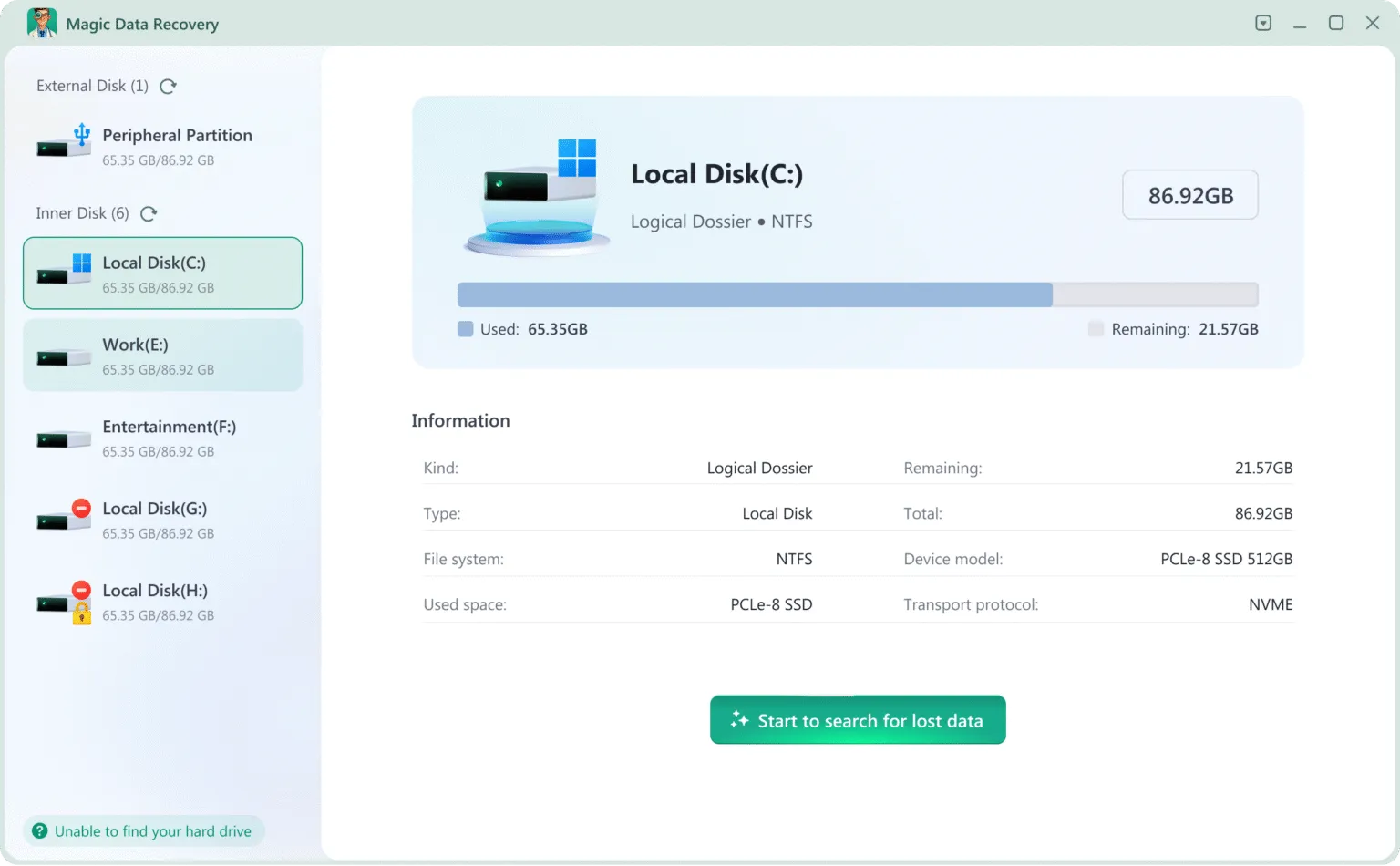
For Windows PCs, SD cards, or external hard drives where files were accidentally deleted or lost, tools like Magic Data Recovery can help retrieve potentially recoverable data.
Why Magic Data Recovery Can Be Useful
Magic Data Recovery provides several practical capabilities:
- Deep scanning of Windows storage devices
- Recovery from SD cards and external hard drives
- Detection of deleted files before they are overwritten
- Support for common file systems and formats
Practical Use Cases
Typical scenarios include:
- Accidentally deleted documents before an investigation
- Missing evidence files on removable storage
- Lost photos or videos on SD cards
Compared with manual recovery attempts, specialized software provides structured scanning that improves the chance of locating recoverable data.
If you are looking for a practical solution to retrieve deleted files during early-stage investigations, Magic Data Recovery is worth considering.
Supports Windows 7/8/10/11 and Windows Server
Common Mistakes Beginners Should Avoid
When learning the basics of digital forensics, beginners often make several mistakes.
Working on Original Evidence
Directly analyzing the original device may alter timestamps or metadata. Always create a forensic copy first.
Ignoring Documentation
Failing to document investigative steps can weaken the credibility of findings.
Using Unverified Tools
Using unreliable software may damage evidence or produce inaccurate results.
Following established forensic procedures ensures investigations remain trustworthy.
Conclusion
Understanding the basics of digital forensics helps investigators analyze digital evidence, reconstruct events, and support legal or security investigations.
From evidence preservation to data analysis, each step requires careful procedures and reliable tools.
In many cases, digital evidence may include files that were accidentally deleted or hidden on storage devices. For Windows PCs, SD cards, or external hard drives where data has been lost, recovery tools may assist in locating recoverable files.
If you need a practical way to retrieve deleted data during an investigation, Magic Data Recovery provides a useful solution for scanning storage devices and identifying recoverable files.
Supports Windows 7/8/10/11 and Windows Server
FAQs
What are the basics of digital forensics?
The basics of digital forensics include identifying, collecting, preserving, analyzing, and reporting digital evidence. Investigators follow strict procedures to maintain evidence integrity and ensure reliability. These processes help reconstruct digital events and support cybersecurity investigations, corporate incident response, and legal cases involving digital data.
What is the difference between digital forensics and cybersecurity?
Cybersecurity focuses on preventing attacks and protecting systems, while digital forensics basics focus on investigating incidents after they occur. Digital forensics analyzes logs, files, and system artifacts to determine how an incident happened, what data was affected, and who may be responsible.
What devices can digital forensics investigate?
Digital forensics investigations commonly analyze computers, smartphones, servers, SD cards, USB drives, and external hard drives. Investigators examine these devices for digital artifacts such as deleted files, system logs, browsing history, and metadata that may reveal important evidence.
Can deleted files be recovered in digital forensics?
Yes, deleted files can sometimes be recovered. When a file is deleted, the operating system often removes only its directory reference while the actual data remains on storage sectors. Investigators may recover these files using forensic techniques and recovery tools before the data is overwritten.
What tools are commonly used in digital forensics?
Digital forensic investigations often use disk imaging tools, forensic analysis platforms, and file recovery utilities. These tools help investigators create exact copies of storage devices, analyze digital artifacts, and locate deleted files that may contain relevant evidence.
Why is evidence preservation important in digital forensics?
Evidence preservation ensures that digital data remains unchanged during an investigation. Techniques such as forensic imaging and hash verification help maintain integrity. Without proper preservation, digital evidence may become unreliable or inadmissible in legal proceedings.
How do investigators analyze digital evidence?
Investigators analyze digital evidence by examining logs, metadata, deleted files, application data, and browsing records. By correlating these artifacts, they reconstruct timelines and identify suspicious activities that occurred on a device or network.
Can data recovery software help in digital investigations?
Yes, data recovery software can assist investigators in retrieving deleted or lost files that may still exist on storage devices. For example, tools like Magic Data Recovery can scan Windows PCs, SD cards, and external hard drives to locate recoverable data that may support an investigation.

Jason has over 15 years of hands-on experience in the computer data security industry. He specializes in data recovery, backup and restoration, and file repair technologies, and has helped millions of users worldwide resolve complex data loss and security issues.