
Computer Backup Strategies: How to Protect Your Data
Data loss happens more often than most people expect. As a result, relying on luck alone is never enough. A mistaken delete, a failing hard drive, a ransomware attack, or a sudden system crash can erase years of important files within seconds. Unfortunately, many users only realize the value of backups after something goes wrong. That is why understanding computer backup strategies is no longer optional—it is essential.
This guide explains what a computer backup strategy is, why it matters, and how to choose the right approach for your needs. Additionally, you will learn practical methods, real-world examples, and best practices that professionals rely on. For situations where backups are missing or incomplete, we will also introduce a reliable data recovery solution as a safety net.
Table of Contents
What Are Computer Backup Strategies?
Computer backup strategies refer to planned methods for copying and storing data so it can be restored after loss, damage, or corruption. In other words, a good strategy is not just about saving files somewhere else. Instead, it defines what to back up, how often to back up, where the backups are stored, and how they can be restored.
In practice, a well-designed computer backup strategy balances safety, convenience, and cost. For example, a home user may focus on simplicity and automation. By contrast, a small business may prioritize redundancy and fast recovery.
Why Reliable Computer Backup Strategies Matter
Common Causes of Data Loss
In real-world usage, data loss often comes from everyday situations. For instance:
- Accidental deletion or formatting
- Hard drive or SSD failure
- Operating system crashes
- Malware or ransomware attacks
- Power outages or hardware damage
Notably, these issues affect both beginners and experienced users. Even careful users make mistakes.
Consequences of Not Having Backups
Without proper computer backup strategies, recovery becomes difficult and expensive. Consequently, lost work files, personal photos, or system data can disrupt productivity and cause long-term damage. In many cases, users are forced to rely on recovery tools or professional services.
Types of Computer Backup Strategies Explained
Understanding different backup types helps you choose the most effective solution.
Full Backup
A full backup creates a complete copy of all selected data.
Advantages:
- Simple restoration process
- Complete data coverage
Limitations:
- Requires more storage space
- Takes longer to complete
Therefore, this method works well for initial backups or periodic full system protection.
Incremental Backup
Incremental backups save only the changes made since the last backup.
Advantages:
- Faster backup times
- Efficient storage usage
Limitations:
- Restoration depends on multiple backup files
Nevertheless, incremental backups are popular in automated computer backup strategies.
Differential Backup
Differential backups copy all changes made since the last full backup.
Advantages:
- Faster restoration than incremental backups
- Moderate storage requirements
Limitations:
- Backup size grows over time
Local Backup vs Cloud Backup
- Local backups store data on external drives or NAS devices.
- Cloud backups store data on remote servers.
A hybrid computer backup strategy often combines both for better protection.
Hybrid Backup Strategy
Hybrid backups combine local speed with cloud safety. This approach protects data from both hardware failure and physical disasters.
How to Choose the Right Computer Backup Strategy
Choosing the right computer backup strategy depends on several factors:
- Data importance: Critical files need frequent backups
- Backup frequency: Daily or weekly schedules reduce risk
- Storage budget: Balance cost with reliability
- Technical skill level: Automation reduces human error
For most users, automated backups with occasional manual checks offer the best balance.
Best Practices for Effective Computer Backup Strategies
Follow the 3-2-1 Backup Rule
The 3-2-1 rule is a widely accepted best practice:
- 3 copies of your data
- 2 different storage types
- 1 copy stored offsite
This rule significantly reduces the risk of total data loss.
Automate Backups
Automation ensures backups run consistently. Missed backups often lead to problems when recovery is needed.
Test Your Backups Regularly
A backup is only useful if it works. Periodic testing ensures data can be restored successfully.
Protect Backups with Encryption
Encryption adds an extra layer of security, especially for cloud backups.
What If You Didn’t Back Up Your Data Using Proper Computer Backup Strategies?
Despite best intentions, many users still lack a complete computer backup strategy. In reality, this situation is more common than expected. In these cases, data recovery becomes the only option. Deleted files, formatted drives, or crashed systems do not always mean permanent loss.
This is where a reliable recovery tool plays an important role.
Recover Lost Data with Magic Data Recovery
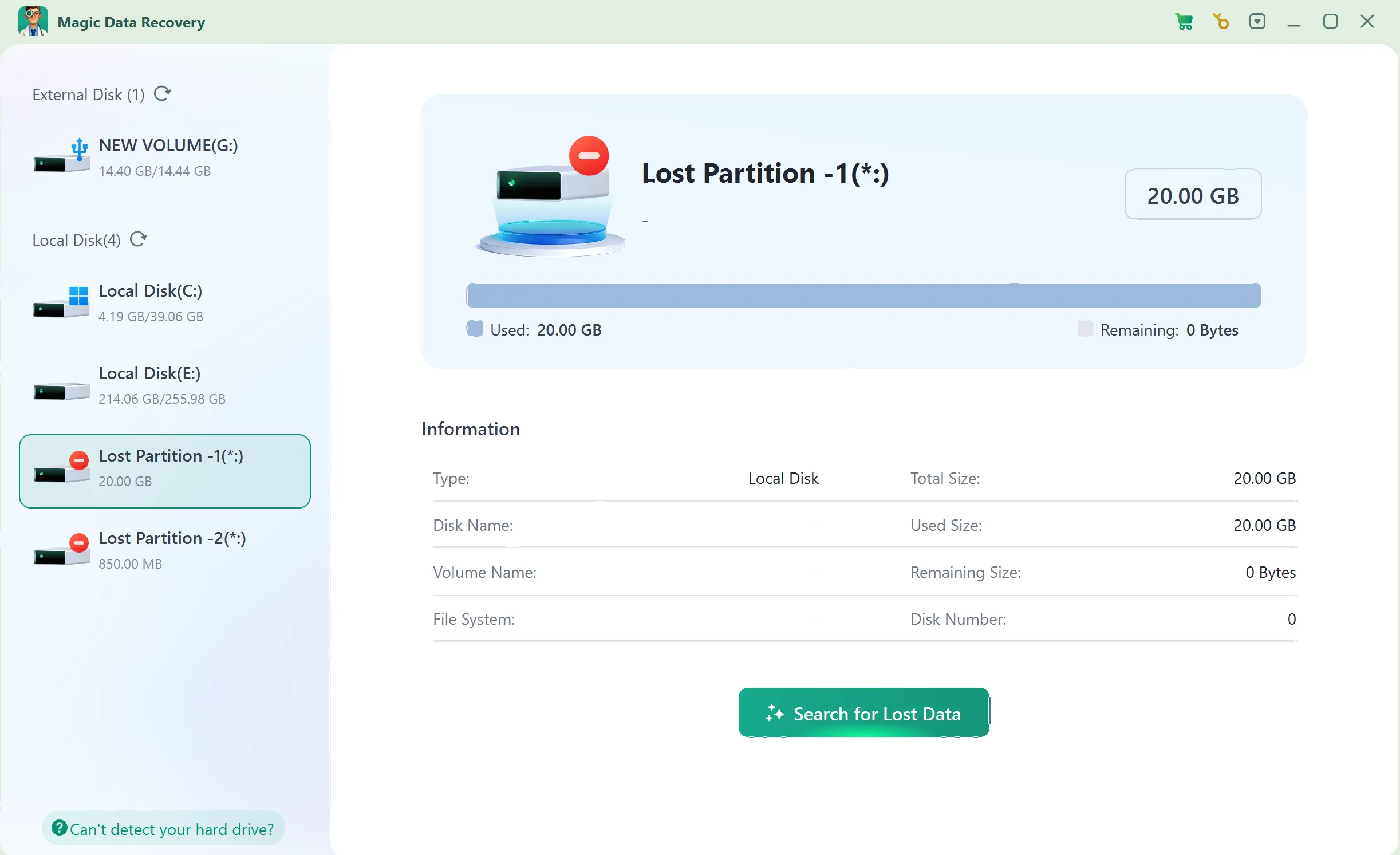
Magic Data Recovery offers a practical solution when backups are missing or incomplete. It helps users recover lost files from hard drives, SSDs, USB devices, and memory cards.
Core Problems It Solves
- Accidental file deletion
- Disk formatting
- System crashes
- Partition loss
Key Advantages
- User-friendly interface for non-technical users
- Support for multiple file types and storage devices
- Read-only scanning to protect original data
Real-World Usage Scenario
For example, if a user deletes important work files before setting up proper computer backup strategies, Magic Data Recovery can scan the drive and restore recoverable data efficiently. Compared to manual recovery attempts, dedicated software provides better accuracy and safety.
Conclusion
Strong computer backup strategies protect your data from unexpected loss and, more importantly, reduce stress when problems occur. While backups remain the first line of defense, recovery tools provide essential support when backups fail or are missing. Magic Data Recovery offers a reliable solution for recovering lost data and complements a well-planned computer backup strategy. By combining prevention and recovery, users can achieve stronger long-term data protection.
Supports Windows 7/8/10/11 and Windows Server
FAQs About Computer Backup Strategies
What is the best backup strategy for a computer?
What are the three types of backup strategies?
What is the 3-2-1 rule in backup strategy?
What are the 4 types of backup?
What is the golden rule of backup?
How do I backup my entire computer?

Vasilii is a data recovery specialist with around 10 years of hands-on experience in the field. Throughout his career, he has successfully solved thousands of complex cases involving deleted files, formatted drives, lost partitions, and RAW file systems. His expertise covers both manual recovery methods using professional tools like hex editors and advanced automated solutions with recovery software. Vasilii's mission is to make reliable data recovery knowledge accessible to both IT professionals and everyday users, helping them safeguard their valuable digital assets.