
AIデータ復元:その仕組みと復元可能なデータ

データ復旧ソフトウェアにAIがますます採用されるようになっていますが、「AIデータ復旧」という用語はしばしば曖昧に使われています。一部のツールでは、ファイルの識別、メディアの修復、あるいは断片化したファイルの分析に機械学習を応用していますが、多くの復旧プログラムは依然として、主にファイルシステムの記録、ファイルのシグネチャ、およびセクタレベルのスキャンに依存しています。.
このガイドでは、AIがデータ復旧にどのように役立つか、現実的にどのようなデータを復旧できるか、そしてその限界はどこにあるかを解説します。また、削除、フォーマット、パーティションの問題、ファイルシステムのエラーによって失われたファイルを復元するための、実用的なWindows向け復旧ソリューションも紹介します。復旧のシナリオや方法に関するより広範な概要については、当社の データ復旧ガイド。.
目次
AIデータ復元とは?
AIデータ復旧 これは、復旧ワークフローの一部において、機械学習や関連するインテリジェントシステムを活用することを指します。ソフトウェアによっては、AIは以下のような作業を支援することがあります:
- データ損失が発生する可能性のあるシナリオを認識する。.
- スキャン中の保存領域の優先順位付け。.
- 復元されたファイルの分類。.
- 既知のファイル構造に類似したフラグメントを特定する。.
- 破損した写真、動画、またはドキュメントの一部を修復する。.
- 最適なスキャンモードを推奨します。.
従来のデータ復旧ソフトウェアが、必ずしも「盲目」であるとか、洗練されていないというわけではありません。定評のある復旧エンジンは、ファイルシステムのメタデータ、ディレクトリレコード、パーティション構造、ファイルシグネチャ、および生のストレージセクタを分析します。これらの手法を用いれば、機械学習を利用することなく、削除されたファイルを効果的に復旧することができます。.
したがって、AIが搭載されているからといって、そのツールが自動的により効果的になるわけではありません。復元が可能かどうかは、依然として主に元のファイルデータが損なわれていないかどうかにかかっています。.
AIがデータ復旧にどのように役立つか
復旧プログラムの設計方法によっては、AIがファイルの分類、破損メディアの分析、パターン認識、あるいは特定の断片化されたファイルの再構築を支援する場合があります。ただし、これらの機能は製品によって大きく異なります。.
AIは基本的なデータ復旧プロセスの代わりにはなりません。ほとんどのデータ復旧ソフトウェアは、依然としてファイルシステムのレコードを検索し、ストレージのセクタをスキャンし、認識可能なシグネチャを通じてファイルを特定しています。AIは分析の特定の段階を改善する可能性はありますが、失われたファイルが確実に復旧できることを保証するものではありません。.
AIツールが解決するデータ損失のシナリオ
ほとんどのユーザーは、日常的なミスや予期せぬシステムの問題により、データの損失を経験している。. AIを活用したデータ復旧ツール はこのような状況に対処するためのものである。.
誤ってファイルを削除してしまう
重要な文書や写真を誤って削除してしまうことは、よくある問題のひとつです。.
ごみ箱からファイルが消えた後でも、その基礎となるデータはディスクに残っている可能性がある。. AIによるデータ復元 アルゴリズムは、上書きされる前にそれらの断片を識別することができる。.
フォーマット済みドライブ
クイックフォーマットでは、通常、すべてのデータブロックを即座に上書きすることなくファイルシステムの構造が再構築されるため、一部のファイルは復元可能なまま残る場合があります。フルフォーマット、セキュア消去、徹底的な再利用、またはSSDのTRIMを実行することで、復元の可能性を大幅に低減または排除することができます。スキャンを行う前に、フォーマット済みのデバイスの使用を中止してください。.
上級 AIデータ復旧ツール セクタレベルの情報を分析し、ディレクトリ構造が削除された場合でもファイルを再構築します。.
ファイルシステムのエラー
電源障害、安全でないデバイスの取り外し、ディスクの破損は、以下のようなファイルシステムにダメージを与える可能性がある:
このような場合だ、, AIによるデータ復元 は、残りのデータブロックを分析し、失われたファイルを再構築することができます。.
ウイルスやマルウェアによる攻撃
マルウェアは、ファイルを隠したり、削除したり、破損させたり、暗号化したりすることがあります。復元ソフトウェアは、削除された元のファイルや残存しているファイルのコピーを見つけ出すことはできますが、通常、正しい鍵がなければ、ランサムウェアによって保護されたデータを復号することはできません。まずマルウェアを削除し、可能な限りディスクイメージまたは安全に隔離されたドライブをスキャンしてください。.
AI主導の復元ツールは、異常なファイル構造を検出し、復元可能なデータ断片を見つけることができる。.
AIデータ復元ツールの仕組み
どのように理解するか AIデータ復旧ツール は、ユーザーが適切なソリューションを選択するのに役立つ。.
AIを搭載したツールの多くは、複数の段階に分かれたプロセスを踏む。.
インテリジェント・ディスク解析
このツールはストレージ・デバイスをスキャンし、以下のような構造情報を収集する:
- ファイルシステムメタデータ
- セクターレイアウト
- データ配布パターン
そしてAIモデルがこれらの構造を分析する。.
パターン認識
固定されたファイル署名だけに依存する代わりに、, AIによるデータ復元 システムは、既知のファイル構造に似たパターンを検出する。.
これにより、標準的なツールでは見逃してしまうようなファイルを復元することができます。.
断片の再構成
削除されたファイルの多くは断片化される。.
一部の復元ツールは、ファイルシステムレコード、既知のフォーマット構造、あるいは専用の再構築アルゴリズムを用いて、ファイルの断片を特定し、再構成しようとします。機械学習は特定のフォーマットでは役立つ場合がありますが、すでに上書きされてしまった固有のファイル内容を復元することはできません。.
ファイルの完全性の検証
最後に、システムは回復されたファイルが使用可能であり、破損していないことを確認するために検証します。.
AIデータ復元ツールの選び方
「AI」という言葉だけで復旧ソフトを選んではいけません。復旧作業に直接影響する機能を比較してください:
- データ損失のシナリオ: 誤って削除してしまった場合、フォーマット、パーティションの消失、ファイルの破損、および物理的な損傷には、それぞれ異なる解決策が必要です。.
- 対応ファイルシステム 必要に応じて、NTFS、FAT32、exFAT、ReFS、APFS、HFS+、またはLinux EXTのサポートを確認してください。.
- 対応デバイス: HDD、SSD、SDカード、USBメモリ、外付けディスク、RAID、またはNASとの互換性を確認してください。.
- プレビュー機能: ファイル名だけよりも、実際に利用できるプレビューの方が、復元可能性を示すより有力な証拠となります。.
- 読み取り専用スキャン: このツールは、復元したデータを意図的に元のドライブに書き戻してはなりません。.
- 無料版の制限: “「無料ダウンロード」とは、無料の復元ではなく、無料のスキャンを意味する場合があります。.
- 身体の状態: カチカチという音がするドライブ、水濡れしたドライブ、または繰り返し接続が切れるドライブでは、DIYソフトウェアを実行しないでください。.
Magic Data Recovery:Windowsの高度な復旧ソリューション
について議論するとき AIを活用したデータ復旧ツール, 単に基本的なスキャン機能を追加するのではなく、AIアルゴリズムに特化して設計されたソリューションに注目することが重要である。.
Magic Data Recoveryは、誤削除、クイックフォーマット、RAWファイルシステム、パーティションの破損、パーティションの消失など、論理的なデータ損失のシナリオに対応するために設計されたWindows用データ復旧ツールです。ファイルシステムの分析、クイックスキャン、ディープセクタスキャン、ファイルシグネチャ検出を組み合わせて、復旧可能なデータを特定します。.
このソフトウェアは5,000種類以上のファイル形式に対応しており、内蔵ドライブ、外付けハードディスク、USBデバイス、メモリーカード、およびWindowsが認識するその他のストレージメディアで動作します。また、Windows搭載のコンピュータに接続されたEXT2、EXT3、EXT4形式のストレージデバイスもスキャン可能です。.
Magic Data Recovery 製品チームが、具体的な機械学習コンポーネント、それが実行するタスク、および従来のスキャンとの違いを文書化できる場合にのみ、その製品を「AI搭載」と表現すべきである。.
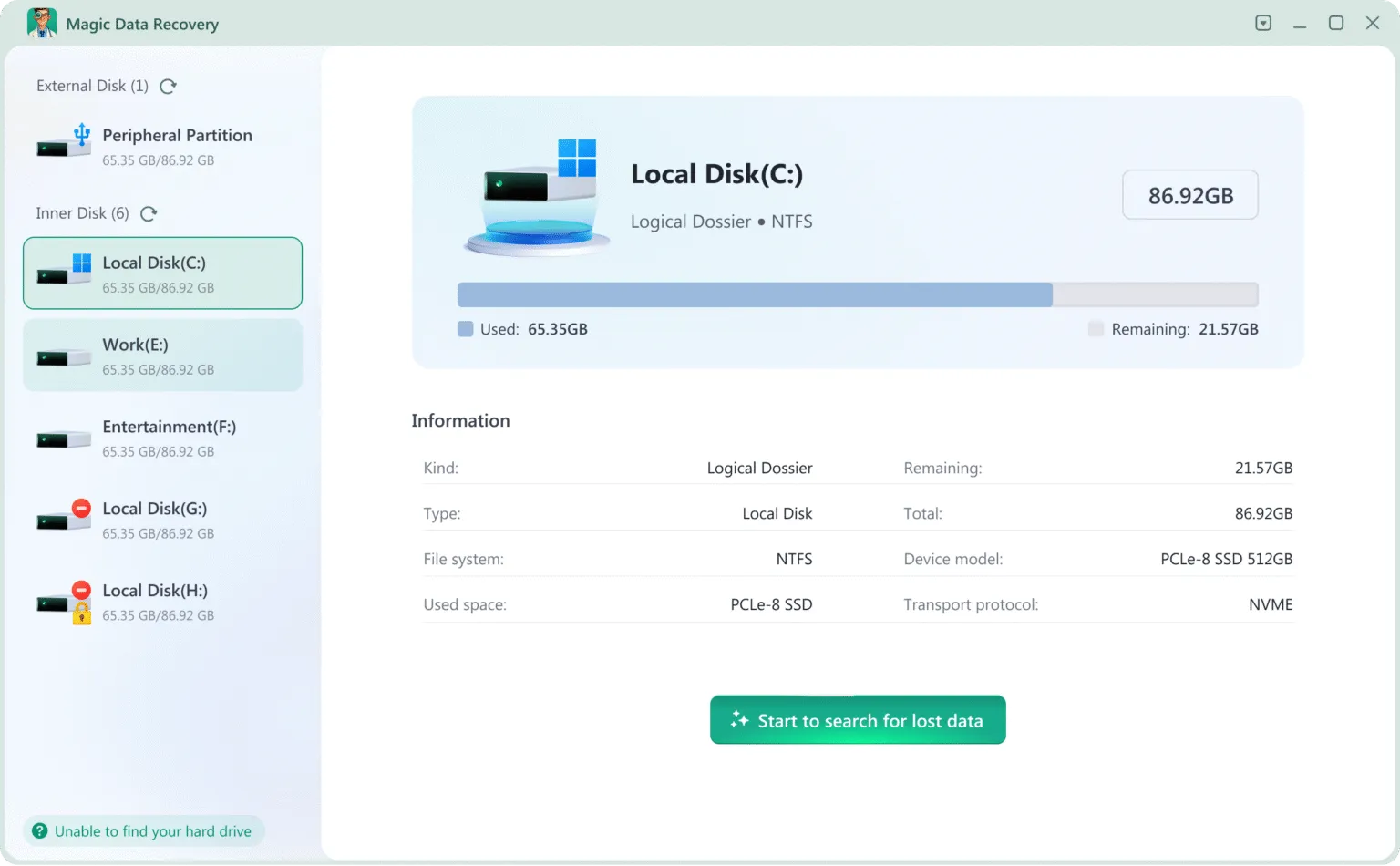
Magic Data Recoveryが解決する核心的問題
ユーザーはしばしばこんな状況に悩まされる:
- 見つからない削除ファイル
- フォーマット済みハードドライブ
- 破損したパーティション
- ウイルスによるデータ損失
Magic Data Recoveryは、ファイルシステムの分析、生セクタのスキャン、およびファイルシグネチャの認識を通じて、こうしたシナリオに対応します。実際の結果は、ストレージデバイスの状態や、元のデータが上書きされているかどうかに左右されます。.
Windows 7/8/10/11およびWindows Serverをサポート
Magic Data Recoveryの主な利点
このツールは、次のようないくつかの点で際立っている。 AIを活用したデータ復旧ツール.
複数のスキャン方法
Magic Data Recoveryは、利用可能なファイルシステムレコードを分析し、ディレクトリ情報が欠落または破損している場合には、より詳細なセクタレベルの検索を実行します。これにより、最近削除されたファイルだけでなく、より複雑な論理的なデータ損失のケースにも対応可能です。.
複数のデータ損失シナリオをサポート
Magic Data Recovery からの回復をサポートする:
- 誤削除
- フォーマット済みドライブ
- ファイルシステムの破損
- ウイルス被害
- パーティションロス
ユーザーフレンドリーなインターフェイス
しかし、その背後にある技術は AIによるデータ復元 は複雑だが、このツールはプロセスをいくつかのステップに単純化する:
- ドライブを選択
- ディスクをスキャンする
- 復元可能なファイルのプレビュー
- 選択したファイルの復元
このワークフローにより、技術者でないユーザーでもこのツールにアクセスできるようになった。.
幅広いデバイスおよびファイル形式への対応
Magic Data Recoveryは、内蔵HDDやSSD、外付けハードドライブ、USBメモリ、メモリーカード、およびWindowsが認識するその他のデバイスに対応しています。文書、写真、動画、音声ファイル、アーカイブ、メール、カメラのRAW形式など、5,000種類以上のファイル形式を検索可能です。.
データの損失をさらに悪化させずに復元する方法
復旧ツールがAIを採用しているかどうかに関わらず、以下の安全対策の方が復旧の成否に大きな影響を与えます:
- 該当するデバイスの使用を直ちに中止してください。.
- リカバリソフトウェアをソースドライブにインストールしないでください。.
- フォーマット、初期化、デフラグ、および CHKDSK の実行は行わないでください。.
- 正しい物理ディスクまたはパーティションをスキャンしてください。.
- 可能であれば、復元前に重要なファイルをプレビューしてください。.
- 復元したファイルを別の健全なドライブに保存する。.
- 機器に物理的な故障の兆候が見られる場合は、専門のサービス業者にご連絡ください。.
AIを活用したデータ復旧と従来のデータ復旧:どちらが優れているか?
AIを活用した復元が、従来の復元手法よりも必ずしも優れているとは限りません。ファイルシステムのメタデータ分析は、元のファイル名、パス、日付、フォルダ構造が保持されている可能性があるため、最近削除されたファイルに対しては、多くの場合最も効果的な手法となります。メタデータが失われている場合には、シグネチャベースの徹底的なスキャンが有用ですが、AIはスキャンの優先順位付け、分類、あるいは特定の復元作業を支援することができます。.
優れたデータ復元ツールは、AIだけに頼るのではなく、複数の技術を組み合わせています。ユーザーは、単に「AI」というラベルだけでソフトウェアを選ぶのではなく、実際のプレビュー結果、対応ファイルシステム、スキャンの安全性、デバイスの互換性、および復元可能なデータ量の上限などを評価すべきです。.
AIデータ復元ツールはいつ使うべきか?
を使うのがベストだ。 AIデータ復旧ツール データ損失が発生した直後に.
上書きは復旧の成功率を低下させる可能性があるため、影響を受けたドライブへの新しいデータの書き込みは避けてください。.
AIリカバリーツールが役立つ一般的な状況には、以下のようなものがある:
- 削除した写真やドキュメントの復元
- フォーマットされた外付けドライブの復元
- 破損したパーティションからデータを取り出す
- ウイルスによるデータ損失の修復
このような問題に直面している場合、次のようなAIを活用したソリューションが有効です。 Magic Data Recovery は、より効率的な回復プロセスを提供することができる。.
まとめ
AIは、ファイルの識別、メディアの分析、および特定の復元作業を支援することはできますが、データ復旧における根本的な限界を取り除くことはできません。上書きされたデータ、完全に消去されたデータ、紛失した暗号化キー、および物理的に損傷したデバイスは、AIを使用するだけでは確実に復元することはできません。.
誤ってファイルを削除してしまった場合、クイックフォーマット、パーティションにアクセスできない場合、ファイルシステムのエラーなど、Windowsでよく見られるデータ損失の状況においては、クイックスキャン、ディープセクタスキャン、ファイルプレビュー機能を備えた復元ソフトの方が、多くの場合、より実用的な選択肢となります。. Magic Data Recovery 内蔵ドライブ、外付けドライブ、USBデバイス、およびメモリーカードにおいて、これらの機能を提供します。.
また、当社の全ラインナップをご覧いただくこともできます。 データ復旧ガイド その他の復旧方法や、ストレージデバイスごとの手順については、以下をご覧ください。.
Windows 7/8/10/11およびWindows Serverをサポート
AIデータ復元ツールに関するよくある質問
AIによるデータ復旧は、従来のデータ復旧よりも優れているのでしょうか?
AIは上書きされたファイルを復元できますか?
AIはフォーマットされたドライブからデータを復元できますか?
AIデータ復旧ツールは、ランサムウェアによって暗号化されたファイルを復元できますか?
AIによるデータ復旧は安全ですか?
Magic Data RecoveryはAIを使っていますか?
TRIM実行後のSSDから、AIでデータを復元することは可能ですか?
AIデータ復元ツールを選ぶ際、どのような点に注目すべきでしょうか?

Jasonは、15年以上の実務経験を持つデータ復旧およびテクニカルサポートの専門家です。 彼は第一線のユーザーと幅広く連携し、困難なデータ損失事例のトラブルシューティングを行うとともに、誤削除、ドライブのフォーマット、ファイルシステムの破損、パーティションの消失、システム障害、その他の緊急の復旧事態に対して、実用的な復旧ソリューションを提供してきました。また、バックアップと復元、ファイル修復、災害復旧にも精通しており、安全かつ信頼性が高く、技術的に正確な指導を特に重視しています。.