
Data Recovery from SD Card: 2026 Recovery Guide
Accidentally losing photos, videos, or important documents from an SD card can feel overwhelming. Whether the loss happens after accidental deletion, formatting, or card corruption, the stress is usually the same. As a result, many users immediately assume their files are gone forever. In reality, data recovery from SD card is often possible when the right SD card recovery method is used early. Because most data loss situations do not erase files instantly, recovery remains achievable under the right conditions.
This guide explains how SD card data loss occurs, what recovery options are available, and how to recover lost files safely. More importantly, it introduces a practical and reliable solution—Magic Data Recovery—designed to help users recover SD card data efficiently while minimizing unnecessary risk.
Supports Windows 7/8/10/11 and Windows Server
Wondering if your files can be recovered? Find out in seconds with our quick check below.
Data Recovery Assessment
Answer 3 quick questions to estimate your recovery chances
Table of Contents
What Causes SD Card Data Loss?
Understanding the cause of data loss helps determine the most effective recovery approach. In most cases, SD card issues fall into several common categories:
- Accidental deletion of photos, videos, or documents
- Formatting the SD card by mistake
- File system corruption caused by improper ejection
- Virus or malware infections
- Unsupported or damaged file systems
- Power failure during data transfer
In these situations, the data itself usually remains on the card. Instead, the system removes file references. Therefore, data recovery from SD card is still possible when professional recovery tools scan the storage sectors directly.
Can You Really Recover Data from an SD Card?
Yes, in many cases, it is possible to recover SD card data successfully. When you delete files or format a card, the data blocks typically remain intact until new data overwrites them.
However, recovery success depends on several key factors:
- How quickly recovery is attempted
- Whether new data has been written to the SD card
- The severity of file system corruption
- The quality of the recovery software
For example, recovering deleted photos from a camera SD card usually has a higher success rate than recovering data from a physically damaged card. Therefore, choosing the right SD card data recovery solution plays a critical role in achieving good results. However, before turning to professional software, many users prefer trying simpler recovery options first.
DIY Options for Data Recovery from SD Card
Before using professional software, some users prefer trying basic do-it-yourself solutions. In certain situations, these methods may help recover lost files. However, they also come with clear limitations.
Option 1: Check Built-In System Backup Features
If you previously enabled system backups, you may already have a copy of your files. On Windows, features such as File History or Previous Versions can sometimes restore deleted files.
However, this method only works if backups were configured before the data loss occurred.
Option 2: Try Free SD Card Recovery Tools
Several free tools can perform basic data recovery from SD card, including options like Recuva.
These tools may work well for:
- Recently deleted photos
- Simple file structures
- Smaller SD cards
That said, free software often has limitations. For example, file preview may be unavailable, recovery speed may be slow, and support for corrupted file systems is usually limited.
Option 3: Use Command-Line Recovery Tools (Advanced Users)
Experienced users may attempt command-line tools such as TestDisk.
This approach can help recover:
- Lost partitions
- Certain file system errors
However, incorrect commands can cause further data loss. Therefore, this method is not recommended for non-technical users.
When DIY Methods Are No Longer Enough
DIY solutions may work in simple cases. However, once an SD card is formatted, corrupted, or contains fragmented files, recovery becomes more complex. At that stage, using a dedicated solution designed specifically for data recovery from SD card offers better control, higher success rates, and reduced risk. This is where tools like Magic Data Recovery provide a more reliable next step.
How to Recover Data from SD Card: Step-by-Step Guide
For users dealing with formatted, corrupted, or complex SD card issues, a structured recovery process can significantly reduce risks. Below is a practical walkthrough showing how to perform data recovery from SD card using Magic Data Recovery. The process remains simple, safe, and suitable even for users without technical experience.
Step 1: Download and Install Magic Data Recovery
First, download Magic Data Recovery and install it on your computer. Make sure the software is installed on your hard drive rather than the affected SD card. This step helps prevent accidental overwriting and protects recoverable data.
Supports Windows 7/8/10/11 and Windows Server
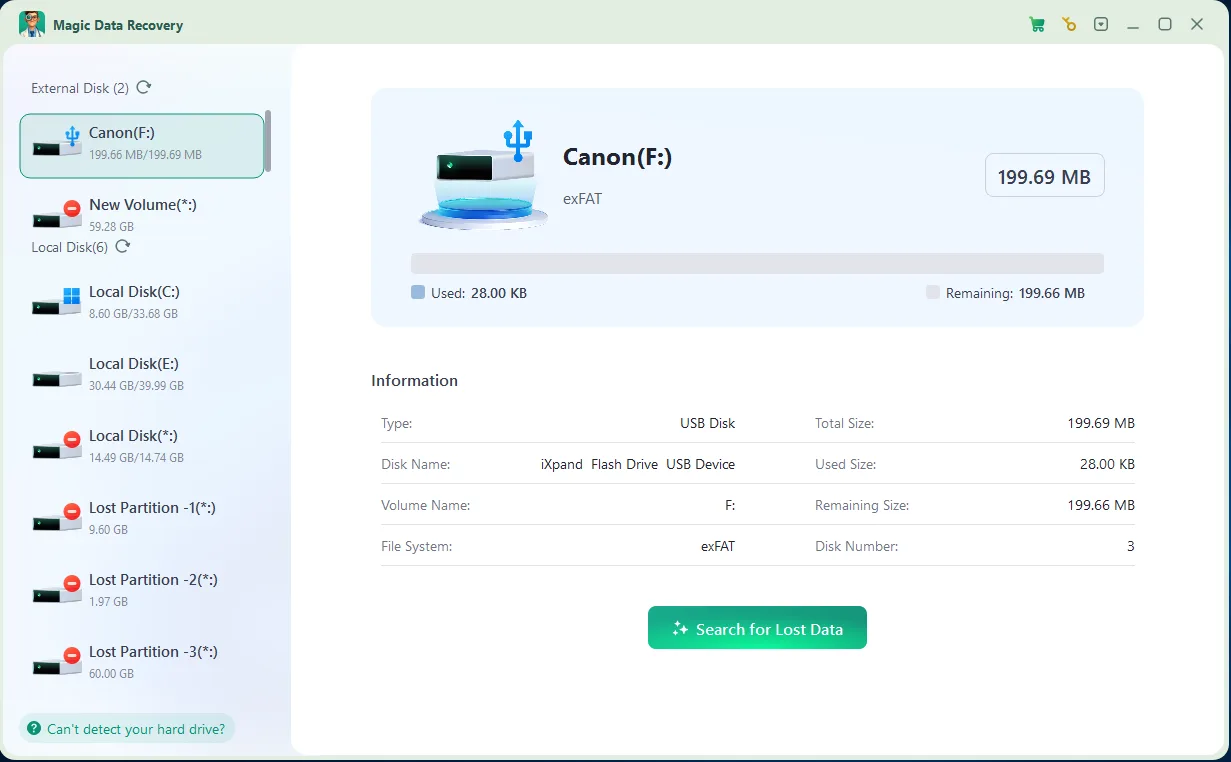
Step 2: Select the SD Card to Scan
Next, insert the SD card into your computer using a card reader. Launch Magic Data Recovery. From the main interface, select the SD card where you lost data, and then, start the scan.
Step 3: Scan the SD Card for Lost Files
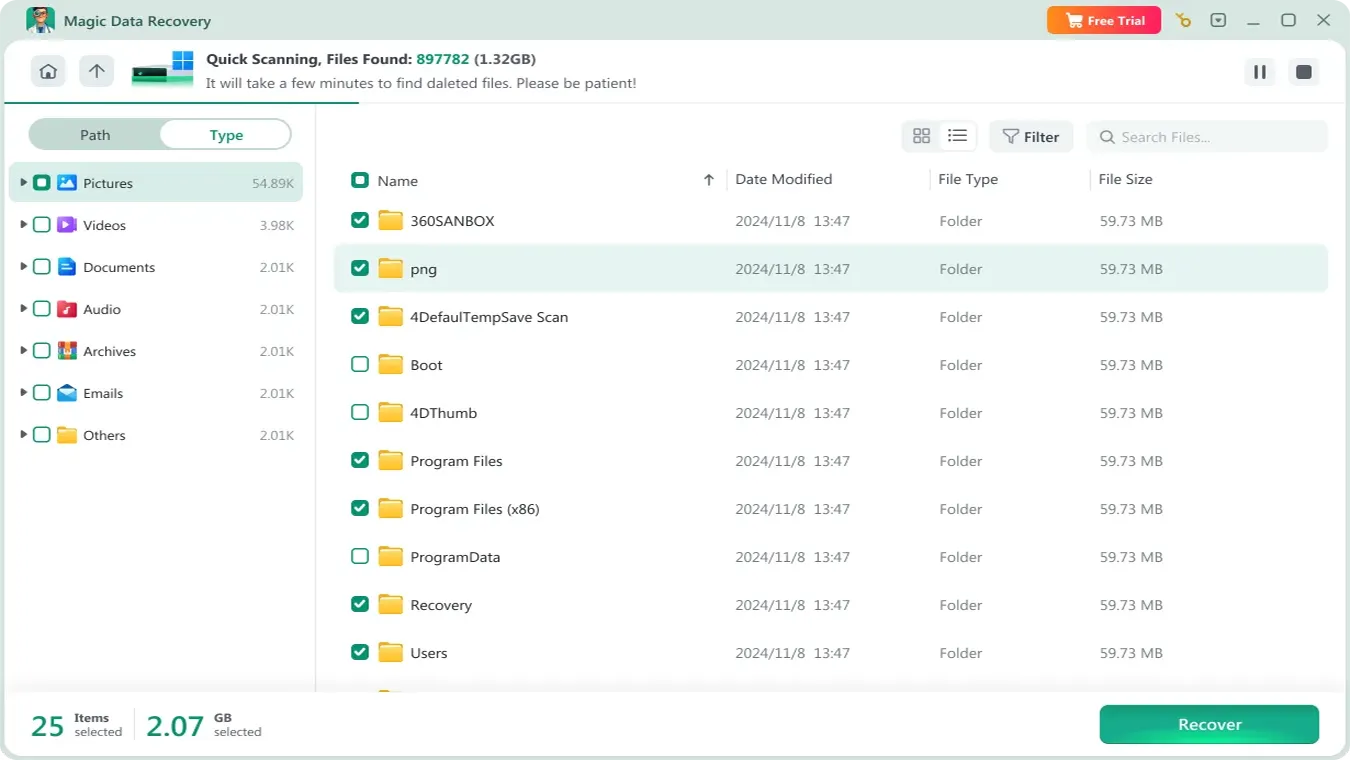
The software then performs an advanced scan automatically. Meanwhile, recoverable files appear in real time as the scan progresses. This allows you to confirm recoverable content before the scan finishes.
Step 4: Preview Files Before Recovery
After the scan completes, use the preview feature to check photos, videos, or documents. This step helps verify file integrity and ensures you recover only the files you actually need.

Step 5: Recover Files to a Safe Location
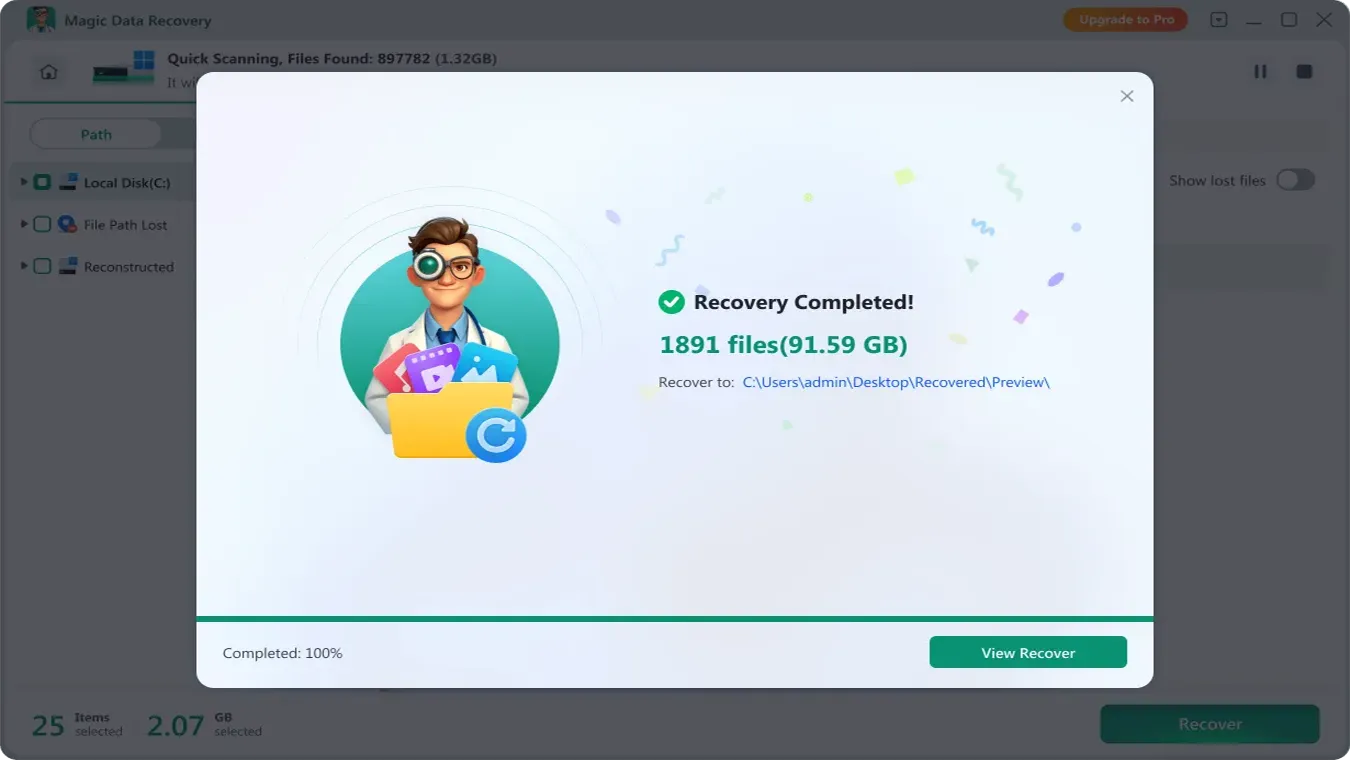
Finally, select the files you want to restore and save them to a secure location on your computer or another storage device. Do not recover files back to the same SD card, because doing so may overwrite remaining data and reduce recovery success.
Best Practices to Improve SD Card Recovery Success
To maximize recovery results, follow these widely accepted best practices:
- Avoid repeated scan attempts with multiple tools
- Use deep scan only if quick scan fails
- Store recovered files on a different storage device
- Avoid formatting the SD card again before recovery
By following these steps, data recovery from SD card becomes safer and more predictable.
Choosing the Right SD Card Data Recovery Software
Not all recovery tools deliver the same results. Therefore, evaluating software carefully is essential. When choosing a recovery solution, consider the following factors:
- Supported SD card types (SD, SDHC, SDXC, microSD)
- File formats supported, including photos, videos, and RAW files
- Preview capability before recovery
- Ease of use for non-technical users
- Transparency about limitations and recovery conditions
This is where Magic Data Recovery clearly stands out.
Why Magic Data Recovery Is a Reliable Solution
When it comes to data recovery from SD card, Magic Data Recovery focuses on solving real user problems rather than making unrealistic promises.
Core Problems It Solves
- Recovers deleted and formatted SD card files
- Handles common file system corruption
- Supports large-capacity SD cards
- Restores photos, videos, documents, and RAW files
Key Advantages
- Clean and intuitive interface suitable for beginners
- Advanced deep scan for complex recovery cases
- File preview before recovery
- Stable performance that minimizes additional risk
Real-World Usage Scenarios
- Recovering vacation photos deleted from a camera SD card
- Restoring video footage from a drone microSD card
- Retrieving documents from a formatted SD card used in a laptop
Compared with generic recovery tools, Magic Data Recovery focuses more specifically on storage devices like SD cards. As a result, it offers a safer and more reliable recovery experience.
Common Mistakes to Avoid During SD Card Recovery
Many recovery failures occur due to avoidable mistakes, including:
- Installing recovery software on the SD card
- Continuing to use the card after data loss
- Running multiple recovery tools repeatedly
- Relying on unreliable free tools with unclear limits
Avoiding these issues significantly improves the success of data recovery from SD card.
Conclusion
Data recovery from SD card does not need to be complicated or risky. With proper knowledge and the right tools, many users can restore their lost files successfully.
Among available solutions, Magic Data Recovery offers a balanced approach by combining usability, recovery depth, and reliability. Rather than relying on aggressive marketing claims, it focuses on solving common SD card recovery problems effectively. If your SD card data matters, choosing a dependable recovery tool can make a meaningful difference.
Supports Windows 7/8/10/11 and Windows Server
FAQ About Data Recovery from SD Card
Can you recover data from an SD card?
Can you get pictures back after deleting them from an SD card?
How to recover data from SD card without formatting?
How to recover data from Samsung SD card?
How long do SD cards keep data?
How much does it cost to recover photos from an SD card?
How do I recover permanently deleted files from my SD card?

Vasilii is a data recovery specialist with around 10 years of hands-on experience in the field. Throughout his career, he has successfully solved thousands of complex cases involving deleted files, formatted drives, lost partitions, and RAW file systems. His expertise covers both manual recovery methods using professional tools like hex editors and advanced automated solutions with recovery software. Vasilii's mission is to make reliable data recovery knowledge accessible to both IT professionals and everyday users, helping them safeguard their valuable digital assets.