
How to Fix Read-Only File System Errors
Encountering a read-only file system error can be frustrating, especially when you need to edit, save, or delete files urgently. Many users only notice the problem after seeing messages like “Read-only file system” or realizing that files keep reverting to read-only mode.
In practice, a read-only file system error is not just a permission issue. It often signals deeper problems such as file system corruption, disk errors, or unsafe shutdowns. If handled incorrectly, it may even lead to permanent data loss.
This guide explains what a read-only file system is, why this error happens, and how to fix it step by step. More importantly, if the issue results in lost or inaccessible data, we will also explain how Magic Data Recovery can help you recover files safely—even when the affected disk comes from Linux or Ubuntu systems.
Supports Windows 7/8/10/11 and Windows Server
Table of Contents
What Is a Read-Only File System?
A read-only file system is a storage state where the operating system allows users to view files but blocks any write operations. You can open and copy files, but you cannot modify, rename, or delete them.
This behavior is often intentional at first. Operating systems may automatically switch a disk to read-only mode to prevent further damage when they detect errors. However, once the disk becomes read-only unexpectedly, normal workflows break down quickly.
A read-only file system error commonly appears on:
- Linux or Ubuntu systems
- External USB drives or SSDs
- NTFS partitions shared between Windows and Linux
- Disks affected by sudden power loss or forced shutdowns
Understanding why the system enforces this limitation is the first step toward fixing it safely.
Common Scenarios Where Read-Only File System Errors Occur
Real-world usage scenarios often reveal why this issue appears so frequently:
Sudden Power Failure or Improper Shutdown
When a system shuts down unexpectedly, the file system may not close properly. As a result, Linux or Ubuntu remounts the disk as read-only during the next boot to prevent further corruption.
External USB or Portable Drives
Many users encounter a read-only file system when connecting USB drives across multiple devices. Unsafe removal or incompatible file systems often trigger this behavior.
Dual-Boot Environments
Systems running both Windows and Linux frequently face read-only NTFS partitions. Windows Fast Startup or hibernation can lock the partition, forcing Linux to mount it as read-only.
Aging or Damaged Storage Media
Bad sectors, failing SSDs, or worn-out flash drives may cause the kernel to block write access automatically.
Why Does a File System Become Read-Only?
A read-only file system error usually stems from one or more of the following root causes:
- File system corruption detected by the operating system
- Hardware-level disk errors or bad sectors
- Incorrect mount options in system configuration files
- File system incompatibility across platforms
- Built-in write protection on removable media
Instead of allowing risky write operations, the system chooses data protection over convenience. While this behavior helps prevent damage, it also limits usability until the issue is resolved.
How to Fix a Read-Only File System (Step-by-Step)
Before making changes, always remember one principle: avoid writing new data to the affected disk until you confirm it is safe.
Check How the Disk Is Mounted
Start by verifying whether the disk is truly mounted as read-only. In Linux or Ubuntu, system mount status often reveals the cause.
If the system explicitly marks the disk as read-only, permission changes alone will not fix the problem.
Remount the File System as Read-Write
In some cases, the issue is temporary. Remounting the disk with write permissions may restore normal access.
This approach works best when no underlying corruption exists. However, if the system refuses to remount, it usually indicates deeper file system damage.
Run a File System Check
File system checks can repair logical errors that force disks into read-only mode. This step requires caution because repairs modify disk structures.
Before proceeding, ensure the disk is not actively in use. If possible, back up important files first.
Fix NTFS Read-Only Issues on Linux
NTFS partitions often become read-only due to Windows-related issues. Disabling Windows Fast Startup and properly shutting down Windows can resolve the problem permanently.
This step is essential for users who share external drives between operating systems.
Reboot and Monitor System Logs
After repairs, reboot the system and observe system logs for recurring errors. Persistent read-only behavior often points to hardware failure rather than software issues.
When Fixes Fail: Protect Your Data First
Sometimes, no fix restores write access. At this stage, continuing to experiment increases the risk of permanent data loss.
If files disappear, folders become inaccessible, or the disk refuses to mount correctly, data recovery becomes the priority. Writing new data can overwrite recoverable files, so recovery attempts should happen before formatting or replacing the disk.
Recovering Data After a Read-Only File System Error
Key Recovery Principles
Effective recovery follows three rules:
- Stop writing to the affected disk
- Avoid reformatting unless recovery is complete
- Use reliable recovery software
Why Magic Data Recovery Is a Practical Solution
Magic Data Recovery is designed to recover data lost due to deletion, formatting, and file system errors, including situations caused by a read-only file system.
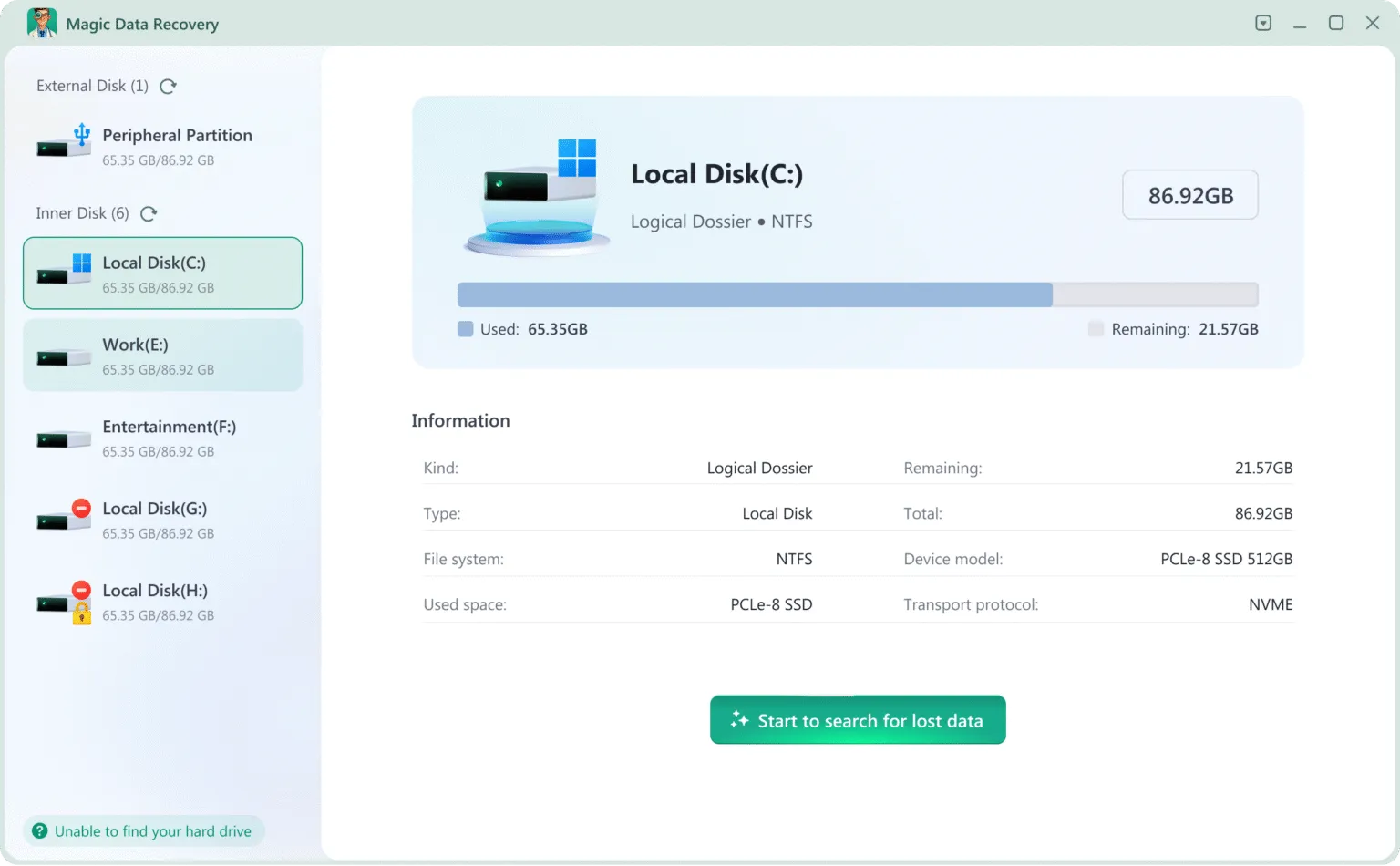
What Problems It Solves
- Recovers files lost after file system corruption
- Restores data from formatted or inaccessible partitions
- Handles errors caused by sudden read-only states
Important Compatibility Note
Magic Data Recovery does not run directly on Linux or Ubuntu systems. However, users can still recover Linux data safely:
- Download and Install Magic Data Recovery on a Windows computer
Supports Windows 7/8/10/11 and Windows Server
- Connect the Linux or Ubuntu disk as a secondary (slave) drive
- Scan the disk and recover accessible files
This method avoids further damage while providing access to powerful recovery algorithms.
Why It Is More Reliable Than Manual Fixes
Unlike command-line repairs, Magic Data Recovery focuses on file safety rather than disk modification. It extracts recoverable data without relying on the damaged file system structure.
If you are looking for a safer alternative when standard fixes fail, Magic Data Recovery offers a practical recovery path.
Best Practices to Prevent Read-Only File System Errors
Prevention often saves more time than recovery:
- Always shut down systems properly
- Eject external drives safely
- Avoid forced reboots during disk activity
- Use reliable file systems for cross-platform usage
- Perform regular backups
These habits significantly reduce the chance of encountering a read-only file system error.
Conclusion: Fix the Error, Then Secure Your Data
A read-only file system is often a warning sign rather than a simple inconvenience. While many cases can be resolved through remounting or file system checks, others point to serious disk issues.
When fixes fail or data becomes inaccessible, recovery should come before further troubleshooting. Magic Data Recovery provides a dependable way to retrieve files lost due to read-only file system errors, formatting, or corruption—especially when Linux disks need recovery through a Windows environment.
If you want a safer and more controlled recovery process, Magic Data Recovery is worth considering.
Supports Windows 7/8/10/11 and Windows Server
FAQs
How can I remove read only?
Should I use NTFS or FAT32 for USB?
How to modify a read-only file system?
What is a read-only filesystem?
How to fix a folder that keeps reverting to read only?
Why are my documents being saved as read only?
How to switch file from read only?
How do I disable read only on my disk?

Jason is a data recovery and technical support specialist with over 15 years of hands-on experience. He has worked extensively with frontline users, troubleshooting difficult data loss cases and providing practical recovery solutions for accidental deletion, formatted drives, damaged file systems, lost partitions, system failures, and other recovery emergencies. His expertise also includes backup and restoration, file repair, and disaster recovery, with a strong emphasis on safe, reliable, and technically accurate guidance.