
VMware Data Recovery: How to Recover VMDK Files and Deleted Data

Supports Windows 7/8/10/11 and Windows Server
Quick Tip: If a VMware virtual machine fails, do not create new snapshots, expand the virtual disk, compact the VMDK, or write new data to the same datastore before recovery. These actions may overwrite deleted files or make VMDK recovery harder.
PAGE CONTENT:
What Is VMware Data Recovery?
VMware Data Recovery is a process and set of tools designed to help users restore virtual machines to a state before data loss occurred or to retrieve deleted or lost data from within a virtual machine system. Whether due to accidental deletion, corruption, system crashes, or malware attacks, VMware data recovery solutions ensure that critical information within VMware environments can be recovered efficiently. This is especially vital for businesses relying on virtual infrastructures for daily operations, as it minimizes downtime and data loss risks.
VMware offers built-in features like snapshots and backups, but sometimes specialized VMware data recovery software is necessary to handle more complex data loss scenarios, such as severe corruption or incomplete backups.
How to Recover VMware Data: Snapshot, Backup, VMDK, or File-Level Recovery
There are several methods to perform VMware data recovery, depending on the available resources and the nature of the data loss.
Method 1: Recover VMware Data from a Snapshot
VMware snapshots capture the state of a virtual machine at a specific point in time. If data is lost or corrupted, you can revert the VM to a previous snapshot to restore its earlier state.
Steps:
1. Open VMware vSphere Client or Workstation.
2. Locate the virtual machine and view its snapshot manager.
3. Select the desired snapshot and choose “Revert to Snapshot.”
4. Confirm the action to restore the VM to the snapshot state.
Method 2: Recover VMware Data from a Backup Image
If you use VMware backup software (like Veeam, VMware Data Protection, or Commvault), you can restore entire VMs or individual files from backup images.
Steps:
1. Access your backup solution’s management console.
2. Locate the backup image of the target VM.
3. Initiate a restore operation, selecting either full VM recovery or file-level recovery.
4. Follow the prompts to complete the restoration process.
Method 3: Recover Deleted Files from a Running VMware Virtual Machine
For cases where only specific files are missing, you can use VMware data recovery software to scan and recover data directly from the virtual disk without restoring the entire virtual machine.
Steps:
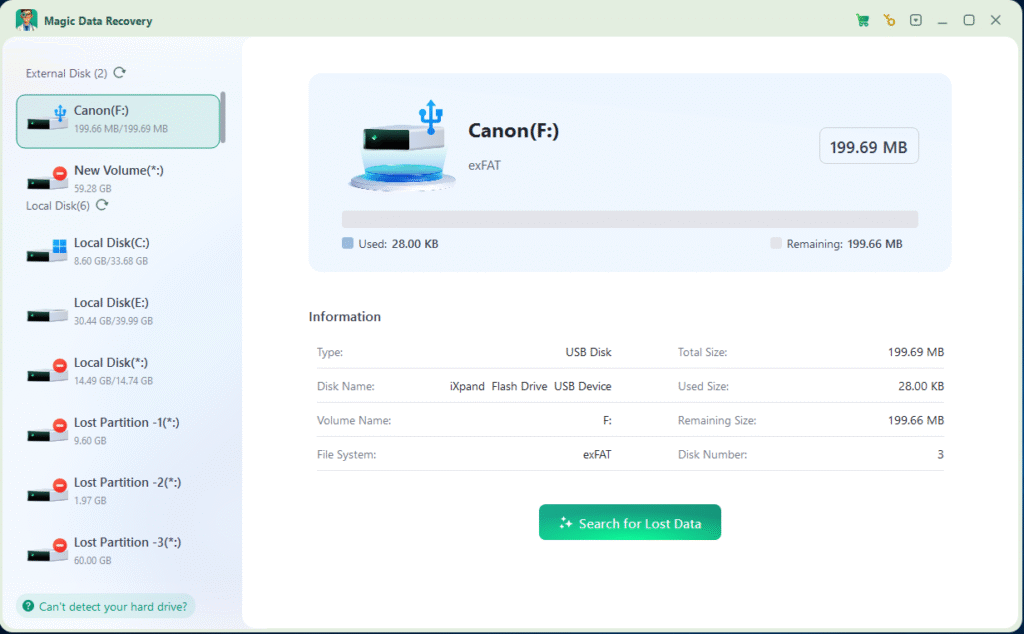
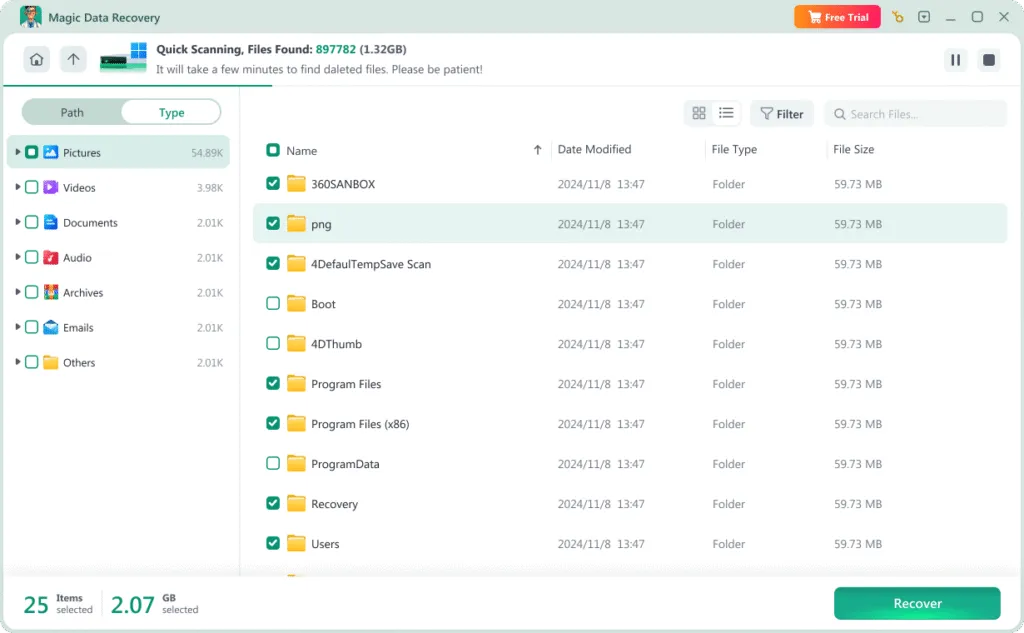
1. Install and run a dedicated data recovery tool compatible with VMware virtual disks (e.g., Magic Data Recovery for Windows).
2. Select the virtual disk file (e.g., .vmdk) or attach the virtual machine to the recovery software.
3. Scan for lost or deleted files, preview recoverable items, and restore them to a secure location.
How to Recover Deleted Files from a Windows VMware Virtual Machine
Supports Windows 7/8/10/11 and Windows Server

When VMware Data Recovery Software May Not Work
VMware data recovery software is mainly useful when the virtual disk is still accessible, the Windows virtual machine can boot, or the VMDK can be attached to another recovery environment. It may not work if the VMDK file itself has been deleted from the datastore, the datastore has been overwritten, or the virtual disk is severely corrupted.
If the VMDK file is missing, recover the virtual disk file from the original storage device first. If you have a valid backup, snapshot, or replicated copy, use that before attempting risky repair operations.
Conclusion
VMware data recovery depends on the type of data loss. If you have a valid snapshot or backup, use it to recover the virtual machine state or restore important files. If files were deleted inside a Windows virtual machine and the virtual disk is still accessible, Magic Data Recovery can help scan the affected partition and recover lost files.
For the best results, stop writing new data to the virtual disk, avoid compacting or expanding the VMDK before recovery, and save recovered files to a separate location. Regular snapshots, backups, and safe recovery practices can reduce downtime and improve the chance of successful VMware data recovery.
Supports Windows 7/8/10/11 and Windows Server
FAQ
Can I recover deleted files from a VMware virtual machine?
Can I recover data from a VMDK file?
What should I do if my VMware VM will not boot?
Is VMware snapshot recovery the same as backup recovery?
Can I recover VMware data without a backup?
Should I recover from a snapshot or use recovery software?
Can Magic Data Recovery recover VMware virtual machine data?
Where should I save recovered VMware files?

Erin Smith is recognized as one of the most professional writers at Amagicsoft. She has continually honed her writing skills over the past 10 years and helped millions of readers solve their tech problems.