
File and Directory Entries API: JavaScript Folder Upload & Directory Traversal

The File and Directory Entries API allows web applications to access files and folders selected by the user, especially through drag-and-drop or directory upload. It is useful when a web app needs to read a folder structure, scan nested files, or preserve relative paths during upload.
In this guide, you will learn how the API works, how to use FileSystemEntry, FileSystemFileEntry, FileSystemDirectoryEntry, webkitdirectory, and webkitGetAsEntry(), how to traverse folders recursively, and when to choose alternatives such as the File System Access API.
Table of Contents
What Is the File and Directory Entries API
Definition and Core Concept
The entry api allows web applications to access files and directories selected by users. Unlike traditional methods, it supports hierarchical structures. Therefore, developers can process entire folders instead of individual files.
How It Works in Browsers
In most cases, the API relies on:
FileSystemEntryFileSystemFileEntryFileSystemDirectoryEntry
These objects help navigate file systems. In addition, they enable structured traversal directly in the browser.
Key Features and Capabilities
- Supports folder uploads
- Enables recursive directory reading
- Works with drag-and-drop interactions
- Provides access to file metadata
How the File and Directory Entries API Works in Practice
FileSystemEntry and DirectoryEntry Explained
The entry api uses two core entry types:
- File entries for individual files
- Directory entries for folders
Because directories can contain multiple levels, recursive traversal is required.
Reading Files and Traversing Directories
To process directories efficiently:
- Access a directory entry
- Create a reader
- Iterate through entries
As a result, developers can scan complex file structures quickly.
Example Workflow
For example, a web uploader can:
- Detect a dropped folder
- Traverse subdirectories
- Extract all files
Consequently, users save time and avoid manual selection.
Common Use Cases of the File and Directory Entries API
Uploading Folder Structures
Many platforms require full directory uploads. With the entry api, the original structure stays intact.
Web-Based File Managers
Modern file managers simulate desktop environments. Therefore, they rely on directory traversal to function properly.
Data Processing Tools
Applications that process large datasets benefit greatly. For instance, batch file processing becomes more efficient.
Limitations of the File and Directory Entries API
Browser Compatibility Issues
Although the entry api works well in Chromium-based browsers, support remains limited elsewhere. Therefore, testing across browsers is necessary.
Security Restrictions
Browsers restrict file access to protect users. As a result, applications must depend on user actions.
Non-Standard Status
Since the API is not fully standardized, future changes may occur. Consequently, developers should prepare alternatives.
Alternatives to the File and Directory Entries API
File System Access API
This API provides more control and better standardization. Therefore, it is often considered a modern solution.
HTML Directory Upload
Using webkitdirectory simplifies uploads. However, it lacks advanced features.
Third-Party Libraries
Libraries reduce complexity. In addition, they improve compatibility across environments.
File and Directory Entries API vs File System Access API
Key Differences
Feature | File and Directory Entries API | File System Access API |
Standardization | Limited | Stronger |
Browser Support | Partial | Expanding |
Permissions | Basic | Advanced |
Use Cases | Folder reading | Full control |
When to Choose Each
- Use the file and directory entries api for lightweight folder access
- Use File System Access API for advanced control
Best Practices for Using the File and Directory Entries API
Performance Optimization
- Limit recursion depth
- Process files in batches
Error Handling
- Validate file types early
- Handle missing entries immediately
User Experience Improvements
- Provide clear upload feedback
- Show progress indicators
Data Loss Risks When Using the File and Directory Entries API
Although the API improves flexibility, risks still exist. For example:
- Files may be skipped during traversal
- Upload processes may fail
- Users may overwrite data
In practice, these issues appear frequently. Therefore, preparation is critical.
How to Recover Lost Files After API Operations
Common Recovery Methods
Users often try:
- Checking recycle bins
- Restoring backups
- Re-uploading files
Limitations of Basic Methods
However, these methods may fail. For example, permanently deleted files cannot be restored easily.
A Practical Solution for File Recovery
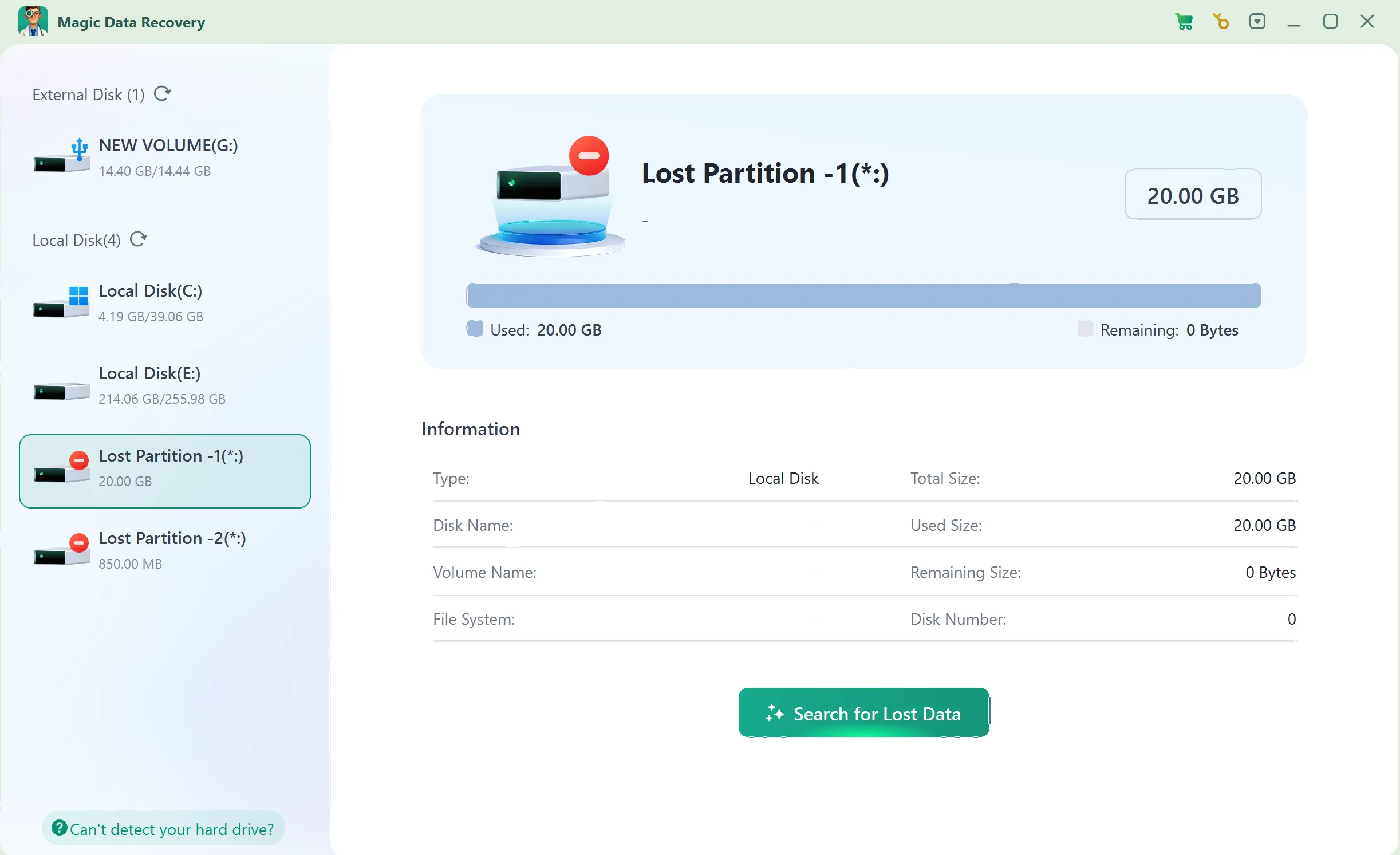
When standard methods do not work, a dedicated recovery tool offers a more reliable solution. In this context, Magic Data Recovery provides practical support.
What Problems It Solves
- Accidental deletion
- Missing files after API operations
- Corrupted or inaccessible data
Key Advantages
- Deep scanning improves recovery success
- Simple interface reduces complexity
- Supports multiple file systems
Real-World Scenario
For example, if files disappear during a folder upload using the file and directory entries api, users can scan their device and restore lost data quickly.
Why It Is More Reliable
Compared to manual solutions, dedicated tools deliver more consistent results. In addition, they reduce the risk of permanent data loss.
Conclusion
The file and directory entries api offers a practical way to handle folder uploads and directory traversal in web applications. It improves efficiency and enables better file management. However, due to its limitations and potential risks, developers should use it carefully and consider modern alternatives when needed.
At the same time, file operations always involve some risk. Therefore, using a reliable recovery solution becomes essential. Magic Data Recovery provides a practical and efficient way to restore lost files, making it a valuable addition to any workflow that relies on file handling APIs.
Supports Windows 7/8/10/11 and Windows Server
FAQ
What is the File and Directory Entries API used for?
Is the File and Directory Entries API still supported?
How do I upload a folder in JavaScript?
How do I read a dropped folder in JavaScript?
What is FileSystemEntry?
What is the difference between FileSystemFileEntry and FileSystemDirectoryEntry?
What are the limitations of the File and Directory Entries API?
What is the best alternative to the File and Directory Entries API?

Vasilii is a data recovery specialist with around 10 years of hands-on experience in the field. Throughout his career, he has successfully solved thousands of complex cases involving deleted files, formatted drives, lost partitions, and RAW file systems. His expertise covers both manual recovery methods using professional tools like hex editors and advanced automated solutions with recovery software. Vasilii's mission is to make reliable data recovery knowledge accessible to both IT professionals and everyday users, helping them safeguard their valuable digital assets.