Flash memory cards are widely used removable storage devices designed to store digital data reliably without requiring constant power. They are commonly found in cameras, smartphones, drones, gaming devices, and industrial equipment. If you rely on portable storage for photos, videos, or documents, understanding how flash memory cards work is essential—especially when data loss occurs. […]
Linux File System Explained: Types, Structure, and Best Practices
Choosing the right Linux file system is a foundational decision that directly impacts system performance, data reliability, scalability, and long-term maintenance. Whether you are a Linux beginner, system administrator, or DevOps engineer, understanding how Linux file systems work—and how different types compare—is essential for building stable and efficient systems. This guide provides a complete, practical […]
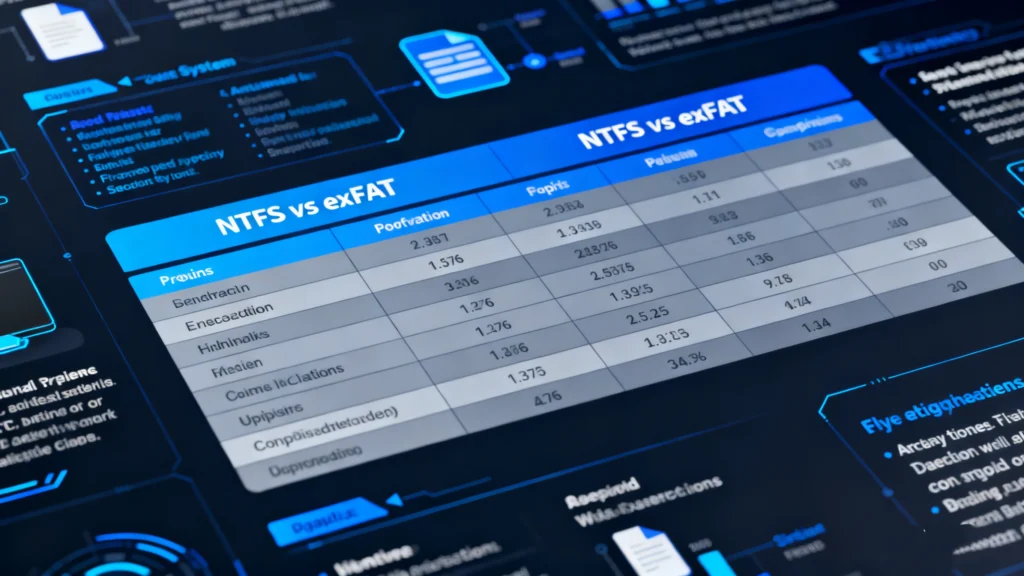
File System NTFS vs exFAT
Choosing the right file system affects more than how a drive stores files. It can influence compatibility, reliability, security, and everyday transfer performance. When comparing file system NTFS vs exFAT, many users have one practical question: is exFAT or NTFS faster? The answer depends on what you store, which device you use, and which operating […]
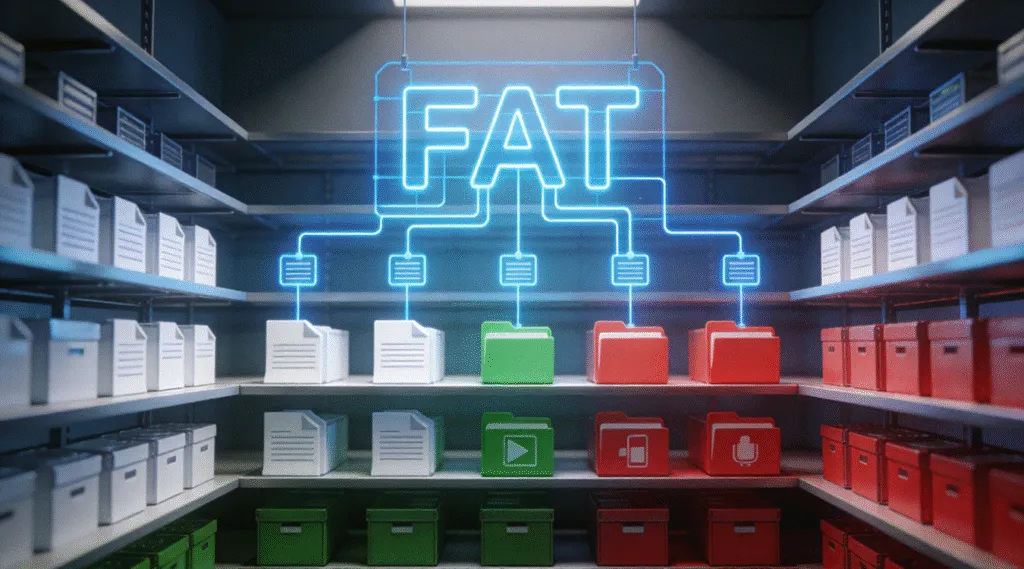
FAT File System: A Complete Understanding
Although modern operating systems support advanced storage formats, the FAT file system remains widely used—especially on removable media such as USB flash drives, SD cards, and embedded devices. Its continued relevance comes not from advanced features, but from simplicity and universal compatibility. Unlike newer designs that rely on complex metadata structures, FAT focuses on minimal […]
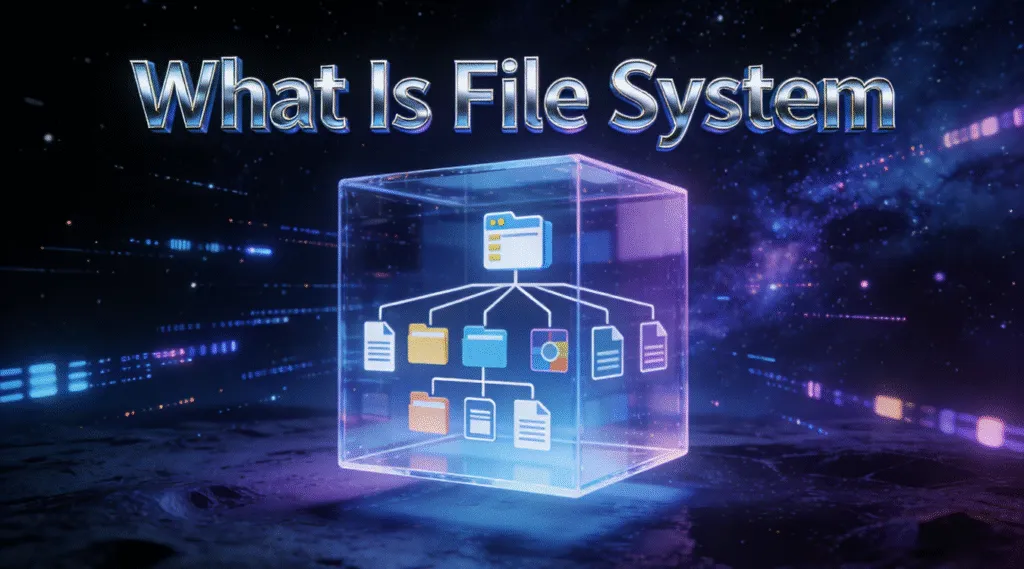
What Is File System?
Modern operating systems cannot work directly with raw disk sectors. Physical storage exposes only blocks and addresses, which offer no context about files, folders, or permissions. Without a file system, even basic tasks such as opening a document would require direct manipulation of disk locations. For this reason, a file system provides the logical structure […]
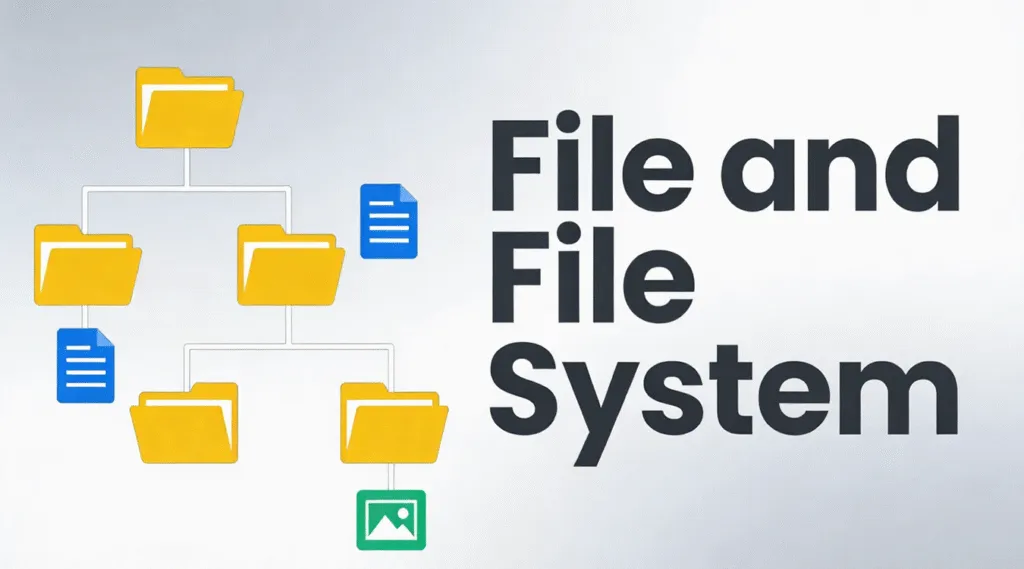
Understanding File and File System
When a drive suddenly becomes inaccessible, corrupted, or unreadable, the root cause is often related to the file and file system rather than the data blocks. Don’t panic—the good news is that most situations are logical issues, not physical, and can be understood and resolved with the right approach. In practice, this article explains how […]
SanDisk Drive Not Recognized? Causes and Fixes
If your SanDisk drive is not recognized by your computer, it can be both frustrating and concerning—especially when there are important files on the device. Whether you are using a SanDisk USB flash drive, SD card, or external hard drive, detection issues often appear suddenly and without clear warning. Fortunately, most SanDisk recognition issues stem […]
Master File Table (MFT): What It Is and How NTFS Uses It
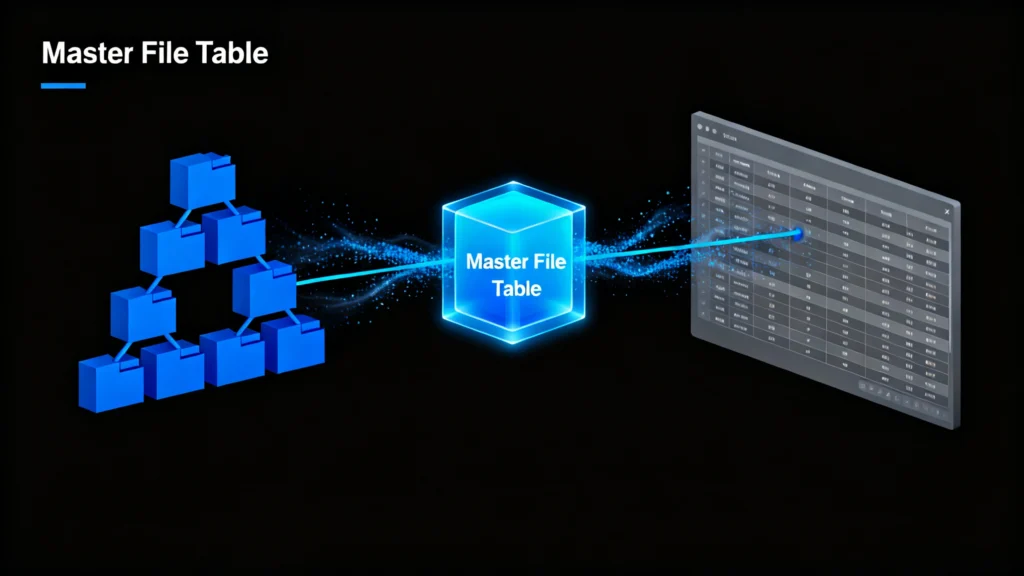
The Master File Table (MFT) is an NTFS system file containing records that describe the files and folders on a volume. These records hold metadata, such as filenames and timestamps, and information needed to retrieve file contents. Windows uses the table to locate and manage files on NTFS-formatted storage. The NTFS Master File Table belongs […]
What Is the Master File Table & How to Fix MFT Corruption
Master file table issues can lead to frustrating data loss and inaccessibility. If you’ve ever encountered error messages like “File or directory is corrupted,” or found your files suddenly missing, the problem may lie in the MFT. This guide will explain what the Master File Table is, how it can become damaged, and—most importantly—how you […]