
Fail to Allocate Bitmap Error Fix
The fail to allocate bitmap error often appears when a storage device suddenly becomes inaccessible. For example, it may occur during mounting, file system checks, or USB access. As a result, files seem missing, and the system cannot read the disk.
However, this issue does not always mean data is lost. In many cases, the problem comes from file system corruption rather than deletion. Therefore, understanding the cause becomes essential. In addition, choosing the right solution can prevent further damage. This article explains the error clearly, explores its causes, and provides practical fixes. Moreover, it shows how to recover data safely when standard methods fail.
Table of Contents
What Does Fail to Allocate Bitmap Mean?
The fail to allocate bitmap error indicates that the system cannot manage storage allocation properly. Specifically, a bitmap tracks which blocks are used or free. When this structure becomes inaccessible, the system loses control over file organization.
As a result:
- The system cannot track storage usage
- File access becomes unstable
- Data remains but cannot be accessed
Meanwhile, the failed to allocate bitmap message represents the same issue with slightly different wording. Although the phrasing changes, the meaning stays consistent. Therefore, both errors require similar troubleshooting steps.
Common Scenarios of Fail to Allocate Bitmap Error
Fail to Allocate Bitmap in Linux Systems
In Linux environments, this error often appears during mounting or repair operations. For instance, it may occur after a system crash. Consequently, the disk may fail to mount properly. In addition, running fsck may also trigger this issue.
Failed to Allocate Bitmap on USB or SD Cards
Removable devices frequently show the failed to allocate bitmap error. This usually happens after improper removal. As a result, the file system becomes inconsistent. Therefore, the device may appear empty even though data still exists.
Fail to Allocate Bitmap During Disk Mount
Sometimes, the system encounters the error while mounting a damaged partition. In this case, corrupted metadata blocks access. Consequently, the system cannot complete the operation.
Main Causes of Fail to Allocate Bitmap Error
File System Corruption
First, file system corruption remains the primary cause of the fail to allocate bitmap error. For example, sudden power loss or interrupted writes can damage critical structures. As a result, the system fails to read the bitmap.
Bad Sectors or Physical Damage
Second, physical damage can trigger the failed to allocate bitmap issue. Over time, disks may develop bad sectors. Consequently, important data structures become unreadable.
Improper Device Removal
Additionally, unsafe removal of storage devices often leads to corruption. Therefore, the next time the system accesses the device, it may show this error.
Insufficient System Resources
Finally, limited system resources can also contribute to this issue. Although less common, this situation may still prevent proper bitmap allocation.
How to Fix Fail to Allocate Bitmap Error Step by Step
Method 1: Run File System Check
First, run a file system check to repair logical errors.
- Linux:
fsck /dev/sdX - Windows:
chkdsk /f X:

In many cases, this step resolves the fail to allocate bitmap problem quickly. Moreover, it helps restore file system integrity.
Method 2: Reconnect and Remount the Device
Next, disconnect the device and reconnect it properly. Then, attempt to remount it. Sometimes, temporary issues cause the error. Therefore, this simple step may fix the problem.
Method 3: Repair Disk Errors
After that, use disk repair tools to fix minor issues. For example, built-in utilities can correct inconsistencies. As a result, the system may regain access to the disk.
Method 4: Format the Drive (Last Option)
If all methods fail, formatting may restore functionality. However, this step deletes data. Therefore, always attempt recovery first. Otherwise, important files may be permanently lost.
What If Failed to Allocate Bitmap Still Appears?
If the failed to allocate bitmap error persists, the file system may be severely damaged. In this situation, repair tools often fail. However, data usually still exists on the disk.
Therefore, instead of repeating fixes, switching to recovery becomes a better approach. In addition, acting quickly can improve recovery success.
Can You Recover Data After Fail to Allocate Bitmap Error?
Yes, data recovery remains possible after a fail to allocate bitmap error. Although the system cannot locate files, the data blocks still remain on the storage device.
For example:
- A USB drive appears empty
- A partition fails to mount
- Files become invisible
Nevertheless, recovery tools can scan the disk directly. As a result, they can rebuild access to lost files.
Recover Data After Fail to Allocate Bitmap Error
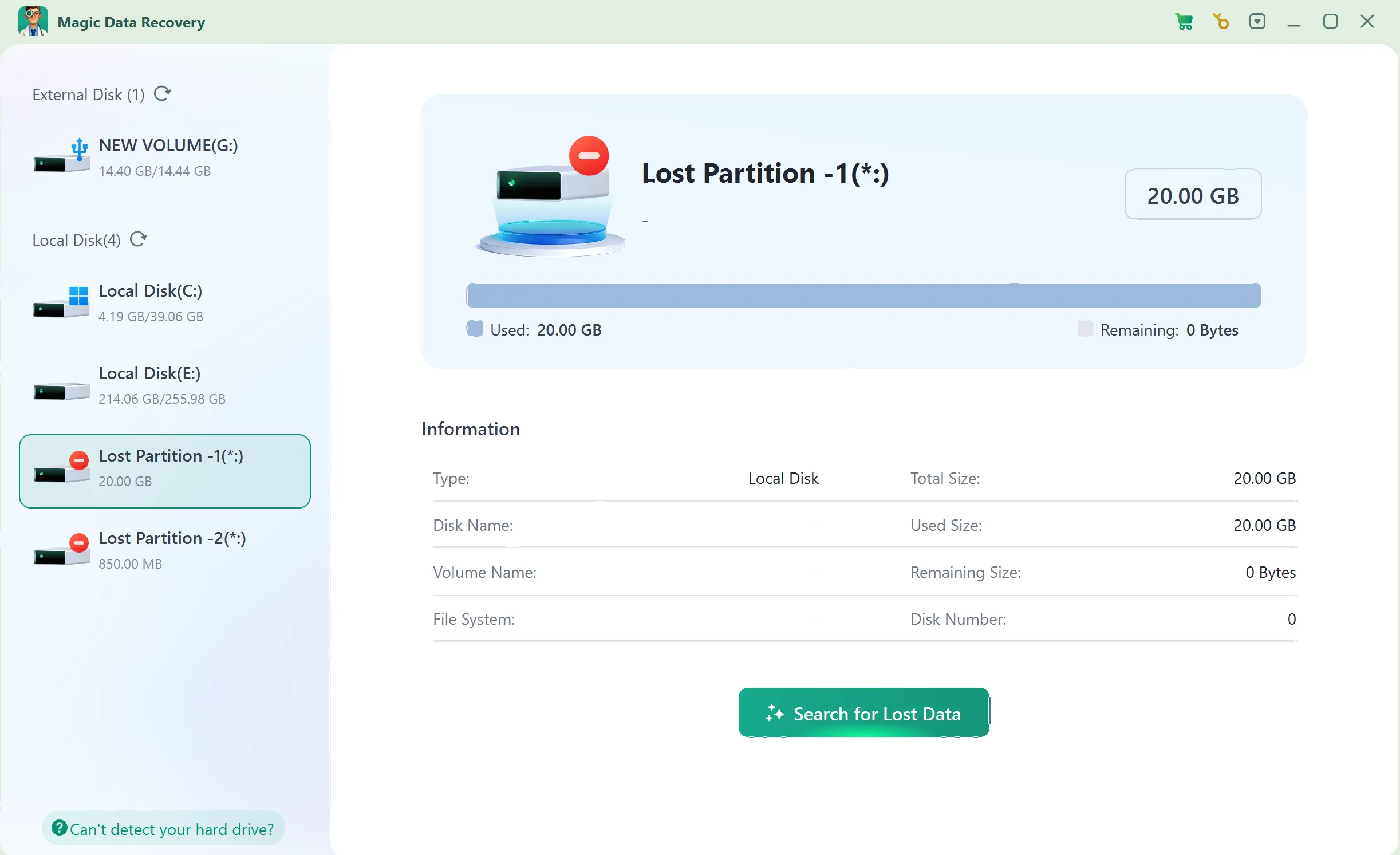
When standard fixes fail, using a dedicated recovery tool becomes essential. In this case, Magic Data Recovery provides a reliable solution.
Why This Tool Solves the Problem
The fail to allocate bitmap error blocks file system access. However, Magic Data Recovery bypasses this limitation. Instead, it scans raw disk sectors directly. Therefore, it can locate files even when the file system is damaged.
Key Advantages
- Deep scan for corrupted file systems
- Support for USB, SD cards, and hard drives
- Simple interface for beginners
- Preview before recovery
Real Usage Scenarios
For instance, the tool works well when:
- A USB drive becomes unreadable
- An SD card shows no files
- A disk fails to mount due to corruption
In these cases, recovery remains possible. Moreover, users can retrieve files without complex steps.
Why It Is More Reliable
Unlike repair tools, this solution does not depend on file system integrity. Instead, it reads raw data directly. Therefore, it works even when other methods fail.
How to Prevent Fail to Allocate Bitmap Error
To reduce the risk of the fail to allocate bitmap error, follow these tips:
- Always eject devices safely
- Avoid sudden power loss
- Perform regular disk checks
- Back up important files
Additionally, using reliable storage devices improves long-term stability. Therefore, prevention becomes easier.
Conclusion
The fail to allocate bitmap error can disrupt access to important data. However, proper steps can resolve the issue effectively. First, try repair tools such as CHKDSK. Then, if the error persists, move to recovery solutions.
In this context, Magic Data Recovery provides a practical option. It helps recover files from damaged storage without relying on a working file system. Therefore, it offers a safer and more reliable approach when traditional fixes fail.
Supports Windows 7/8/10/11 and Windows Server
FAQ About Fail to Allocate Bitmap
What causes the fail to allocate bitmap error?
It usually results from corruption, bad sectors, or improper removal. Therefore, maintaining disk health is important.
Is the failed to allocate bitmap error serious?
Yes, it can block access to files. However, recovery often remains possible.
Can I fix fail to allocate bitmap without formatting?
Yes, file system checks can fix many cases. However, severe damage may require recovery tools.
Why does the error appear on USB drives?
Because USB devices often experience unsafe removal and wear. Therefore, they are more vulnerable.
Can I recover data after fail to allocate bitmap error?
Yes, recovery tools can retrieve files even if the file system fails.
Does disk repair always work?
No, severe corruption may prevent repair tools from working effectively.
How can I avoid this issue in the future?
Use safe removal practices and maintain backups. In addition, check disks regularly.

Vasilii is a data recovery specialist with around 10 years of hands-on experience in the field. Throughout his career, he has successfully solved thousands of complex cases involving deleted files, formatted drives, lost partitions, and RAW file systems. His expertise covers both manual recovery methods using professional tools like hex editors and advanced automated solutions with recovery software. Vasilii's mission is to make reliable data recovery knowledge accessible to both IT professionals and everyday users, helping them safeguard their valuable digital assets.