
How to Unformat a Drive
Accidentally formatting a drive or device can lead to significant data loss, leaving you in a panic. Whether it’s an SD card, USB drive, or external hard drive, this situation can be frustrating. Luckily, it is a possible solution to unformat your device, provided you take the right steps.
In this guide, we’ll walk you through the meaning of unformat, and how you can easily recover your files using Magic Data Recovery, a powerful software designed for situations like this. By the end of this article, you’ll have all the tools and knowledge you need to confidently recover your lost data.
Supports Windows 7/8/10/11 and Windows Server
Wondering if your files can be recovered? Find out in seconds with our quick check below.
Data Recovery Assessment
Answer 3 quick questions to estimate your recovery chances
Table of Contents
What Does “Unformat” Mean?
Although the term “unformat” sounds like undoing a physical process, it primarily refers to recovering data from a formatted drive. When a device is formatted, the file system is reset, but the actual data often remains on the disk. Therefore, “unformatting” is the act of scanning for these “invisible” files and restoring them before they are overwritten. It is less about “fixing” the drive and more about rescuing your lost information.
Understanding the meaning of unformat is important because it helps you realize that the data might still be there, waiting to be retrieved. Using proper data recovery software can often help you recover files from a formatted drive, saving you time and money.
Why It Is Not Always a Guaranteed Solution to Unformat a Drive
While unformatting is a great way to recover lost files, it’s important to understand its limitations. In some cases, unformatting may not work, especially if:
- New data has been written to the drive after the format, which can overwrite the lost files.
- Physical damage to the drive makes it impossible to access the data.
- The file system and data area were severely corrupted during the formatting process, like a full format.
In such cases, sending the drive to a local data recovery company may be the only option to retrieve your lost data.
How to Recover Files After Formatting?
After formatting a drive, the next crucial step is to unformat the drive and recover your files. Magic Data Recovery is specifically designed for this purpose and offers several features that make it the ideal solution:
Features of Magic Data Recovery:
- Wide Compatibility: Supports a variety of file systems (FAT32, NTFS, exFAT, etc.), making it suitable for SD cards, USB drives, and hard drives.
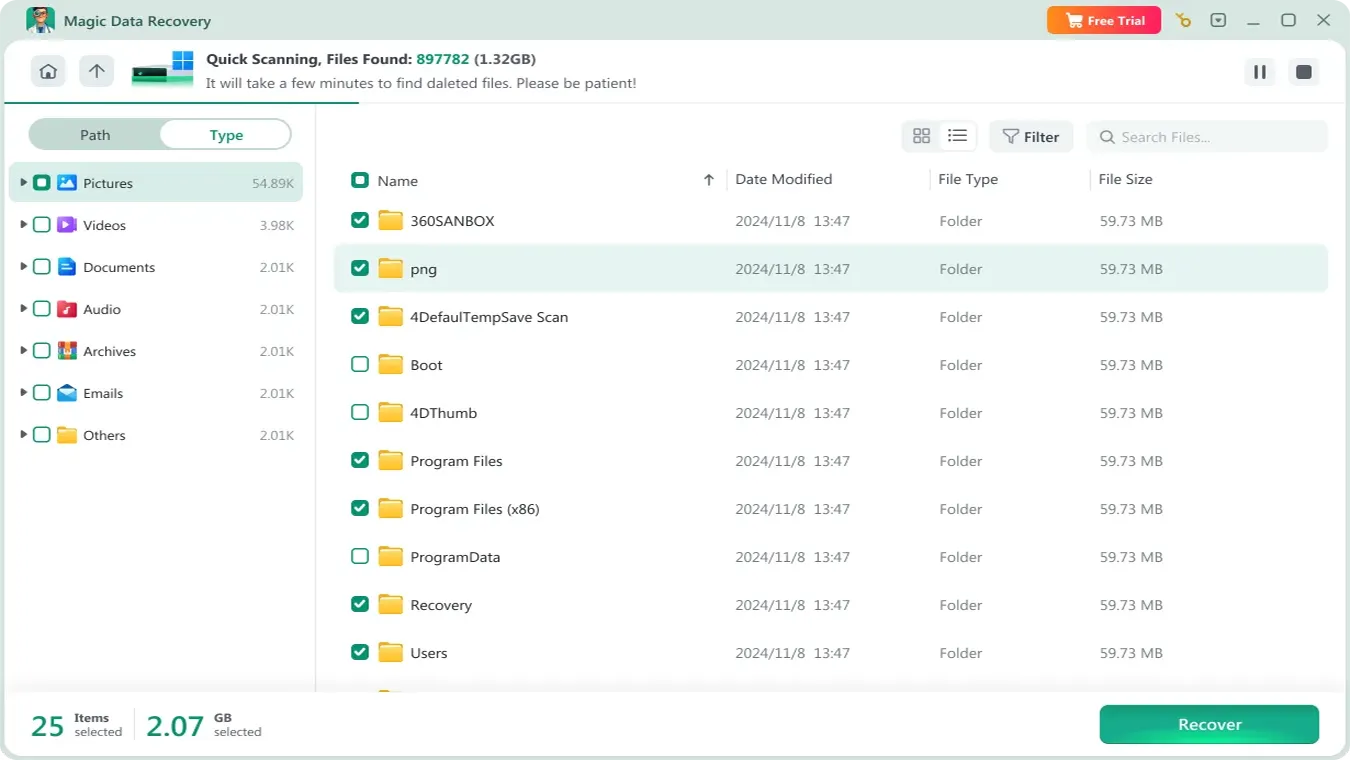
- Preview-before-recovery: You can preview files before recovery to ensure that they are the ones you need.
- Advanced Scan: The advanced scan option ensures that even deeply hidden files can be recovered.
- Ease of Use: With its simple and intuitive interface, Magic Data Recovery makes it easy for even beginners to recover their files.
Step-by-Step Guide to Using Magic Data Recovery:
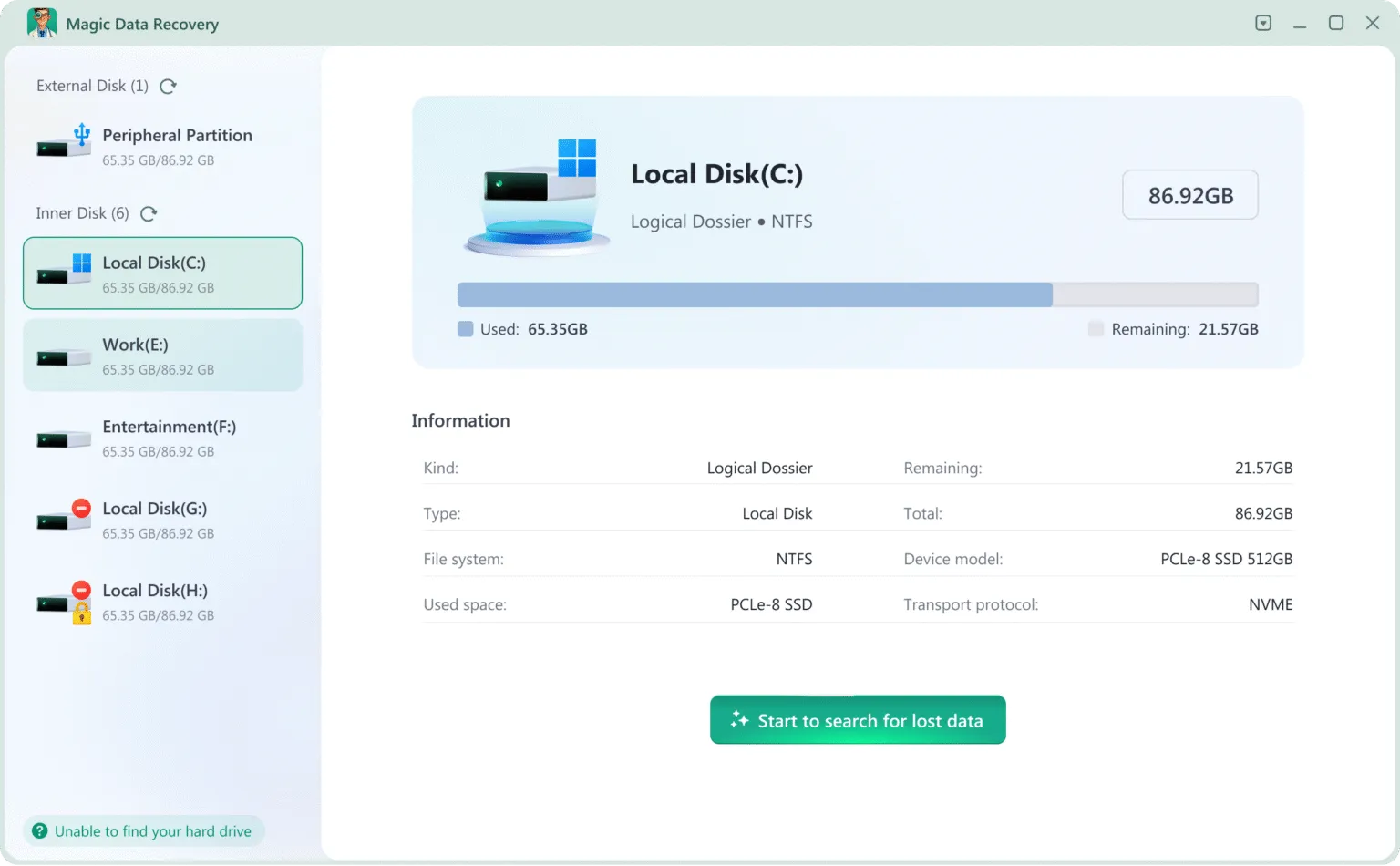
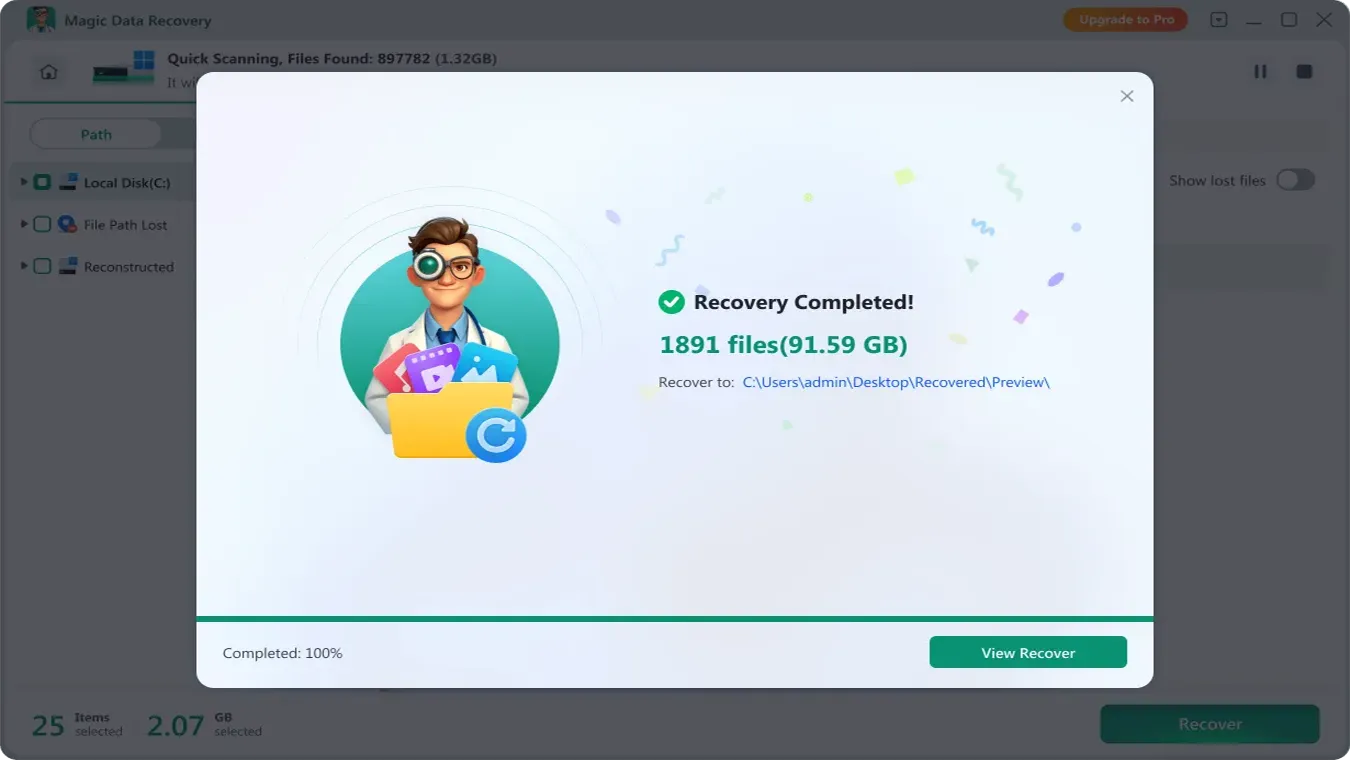
1. Download and Install: Download Magic Data Recovery and install it on a different drive to avoid overwriting lost data.
Supports Windows 7/8/10/11 and Windows Server

Best Practices for Preventing Accidental Formatting
While it’s important to know how to unformat and recover files, prevention is always better than cure. Here are some tips to avoid formatting:
- Regular Backups: Use external drives or cloud storage to back up important files.
- Enable Write Protection: For SD cards and USB drives, enabling write protection can prevent accidental formatting or unintended operations.
- Be Cautious When Formatting: Always double-check that you are formatting the correct drive before proceeding.
By taking these preventive measures, you can reduce the chances of accidentally formatting your drive.
Conclusion
Supports Windows 7/8/10/11 and Windows Server
FAQs About Unformat
What does unformat mean?
Can I recover data after formatting my SD card?
How do I recover files from a formatted USB drive?
Is unformatting the same as formatting?
What should I do if unformatting doesn't work?
How can I prevent accidental formatting?

Vasilii is a data recovery specialist with around 10 years of hands-on experience in the field. Throughout his career, he has successfully solved thousands of complex cases involving deleted files, formatted drives, lost partitions, and RAW file systems. His expertise covers both manual recovery methods using professional tools like hex editors and advanced automated solutions with recovery software. Vasilii's mission is to make reliable data recovery knowledge accessible to both IT professionals and everyday users, helping them safeguard their valuable digital assets.