
How to Recover Overwritten Files on Windows 10 [4 Methods]
![How to Recover Overwritten Files on Windows 10 [4 Methods]](https://www.amagicsoft.com/wp-content/uploads/2025/09/how-to-recover-overwritten-files-on-windows-10-1024x576.webp)
Accidentally saved over an important document? Replaced a file with another file that has the same name? Or edited a file, clicked Save, and then realized you still needed the old version? The good news is that you may still be able to recover overwritten files on Windows 11/10 if you choose the right hard drive recovery method. In many cases, the old version can be restored from Previous Versions, File History, OneDrive version history, Office AutoRecover, temporary files, or a backup. If these built-in options are not available, a professional recovery tool like Magic Data Recovery can help scan the affected drive for deleted files, lost files, recoverable file fragments, and remaining data traces.
However, there is one important thing you should know first: if the original data has been completely overwritten on the storage device, recovery may not always be possible. To increase your chance of successful recovery, stop using the affected drive immediately and follow the methods below in order.
Supports Windows 7/8/10/11 and Windows Server
Table of Contents
How Files are Overwritten
Before diving into the solutions, it’s important to understand what happens when a file is overwritten. In Windows, when you save a new file with the same name and in the same location as an existing one, the system typically replaces the old file with the new one. The data from the original file is no longer directly accessible through normal means because the space it occupied on the storage drive is marked as available for new data.
However, until that specific space is overwritten by new data, there’s a chance to recover overwritten files using specialized methods that can access residual data or utilize built-in Windows features like backups and version history. The key to successful recovery is acting quickly—the less you use the drive after the overwrite, the higher your chances of a successful recover replaced files operation.
What to Do Immediately After Overwriting a File
Before trying any recovery method, take these steps to improve your chances:
1. Stop using the affected drive immediately.
Avoid saving, copying, installing, or downloading anything to the same drive.
2. Do not install recovery software on the same drive.
If the overwritten file was on drive C:, install the recovery tool on another drive or use a portable drive if possible.
3. Save recovered files to another location.
Never restore recovered files back to the same folder or drive before confirming they are usable.
4. Check backups and version history first.
These methods usually offer the highest success rate for overwritten files.
5. Act quickly.
The longer you use the computer, the higher the risk that old file data or temporary versions will be replaced.
Quick Comparison: Which Method Should You Try First?
Situation | Best Method | Success Chance |
You replaced a file with the same name | Previous Versions or File History | High if enabled |
The file was stored in OneDrive | OneDrive Version History | High |
You overwrote a Word, Excel, or PowerPoint file | Office Version History or AutoRecover | High to medium |
No previous version is available | Magic Data Recovery | Medium to low |
The file was fully overwritten on an SSD | Professional service or backup only | Very low |
How to Recover Overwritten Files on Windows 10
Method 1: Recover Overwritten Files with Magic Data Recovery
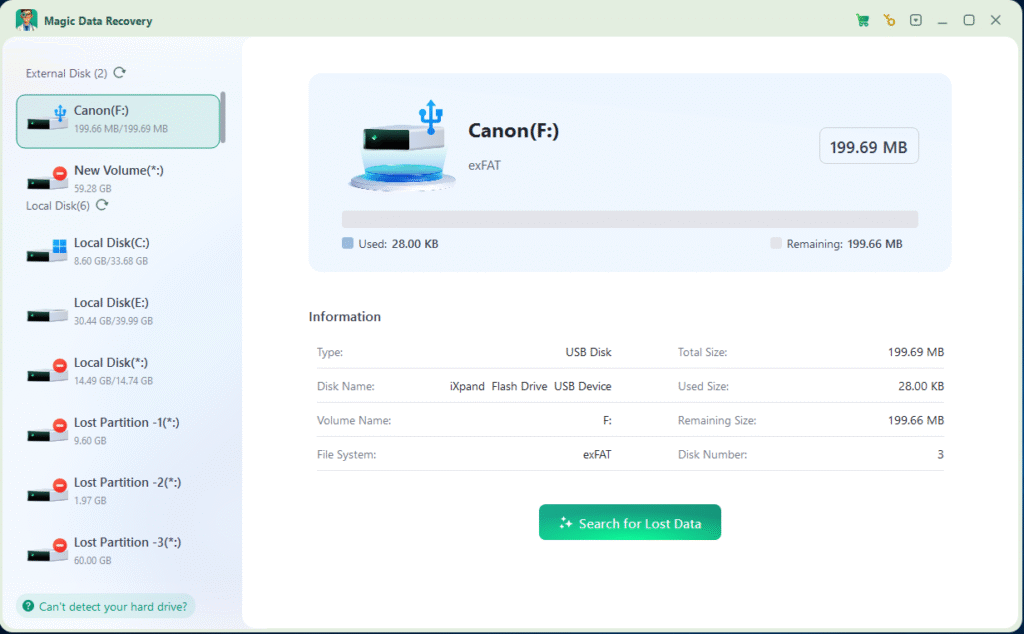
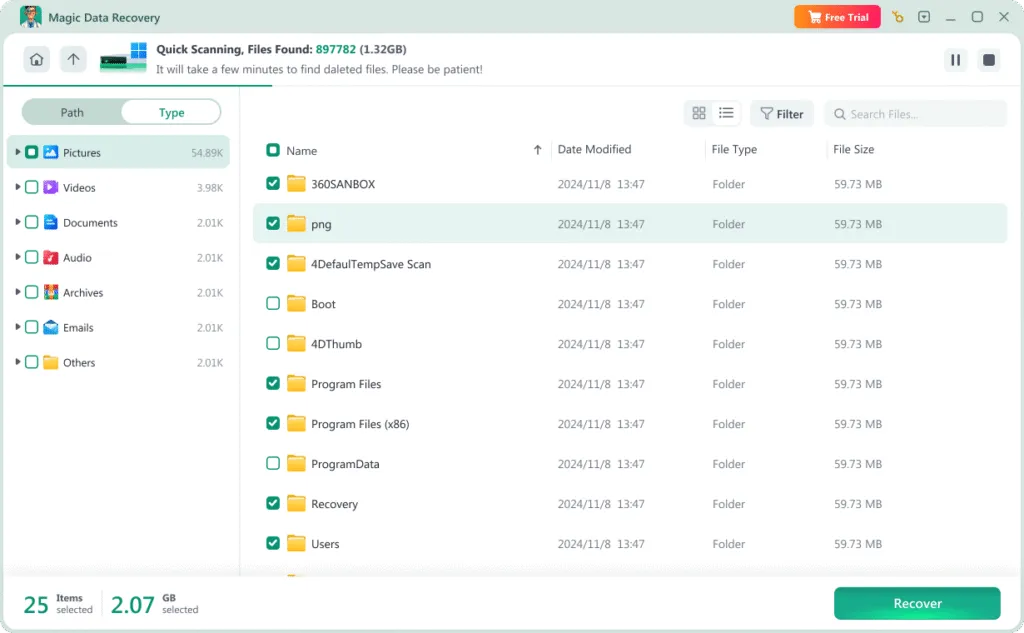
When you need to recover overwritten files that weren’t backed up, using dedicated data recovery software is often your best bet. Magic Data Recovery is a powerful and user-friendly tool that can scan your storage device for traces of previous files and help you recover replaced files even after they’ve been overwritten.
Steps to use Magic Data Recovery:
1. Download and Install: Download Magic Data Recovery from the official website and install it on a different drive than the one where you lost the file to avoid overwriting.
Supports Windows 7/8/10/11 and Windows Server


Method 2: Use System Restore in Windows 10 to Recover Replaced Files
If you had System Protection enabled beforehand, System Restore can help you recover overwritten files by reverting your system files, installed applications, and sometimes even personal files to a previous state called a restore point.
1. Type “Create a restore point” in the Windows search bar and open the System Properties dialog.
2. Click the “System Restore” button.
3. Click “Next” and choose a restore point from a date and time before you overwrote the file.

4. Follow the on-screen instructions to complete the process. Your PC will restart.
Note: This method affects system settings and applications installed after the restore point was created and is not always guaranteed to recover every personal file, but it’s a valuable built-in tool to try when you need to recover replaced files.
Method 3: Look for Previous Versions to Restore Overwritten File
Windows 10 includes a feature called “Previous Versions” that relies on either System Restore points or File History backups. If enabled, it can be a straightforward way to restore overwritten file content.
To use Previous Versions:
1. Right-click on the file or folder that contained your overwritten file and select “Restore previous versions.”
2. A list of available previous versions will appear. Select the version from before the file was overwritten.

3. You can either click “Open” to view it or “Restore” to replace the current version with the selected older one.
This method is excellent for recovering previous drafts or versions, helping you effectively recover overwritten fileswithout additional software.
Method 4: Search for Sync Files on OneDrive to Recover Replaced Files
If you use Microsoft OneDrive and your file was stored in a synced folder, you might be able to recover overwritten files through OneDrive’s version history or recycle bin.
To recover a file from OneDrive:
1. Go to the OneDrive website and sign in with your Microsoft account.
2. Navigate to the location of the overwritten file.
3. Right-click on the file and select “Version history.” OneDrive keeps multiple versions of files for a period.

4. Select a previous version from before the overwrite and click “Restore” to make it the current version.
Alternatively, check the OneDrive recycle bin if the file was deleted during the overwrite process. This cloud-based method is a reliable safety net to recover replaced files.
Why Some Overwritten Files Cannot Be Recovered
Many people believe that data recovery software can restore any deleted or overwritten file. Unfortunately, that is not always true.
When a file is deleted, the file system may simply mark its storage space as available. In that case, the original data may still exist until new data is written over it. Data recovery software can often scan the drive and recover the file.
But when a file is overwritten, new data may replace the old file data. If the old data blocks are fully replaced, the original file content is usually no longer recoverable.
The recovery chance also depends on the type of storage device:
HDD
On traditional hard drives, overwritten data may sometimes leave recoverable fragments if the overwrite was incomplete or if older copies exist elsewhere on the disk.
SSD
On SSDs, recovery can be much harder because of TRIM and wear-leveling. Once TRIM clears unused data blocks, the old data may become unrecoverable very quickly.
Cloud Storage
Cloud services usually offer better chances because they often keep version history. If you saved or replaced a file in OneDrive, Dropbox, or Google Drive, check version history before trying anything else.
The key point is simple: to recover overwritten files, you need an older version, backup, temporary copy, cloud version, or recoverable data fragment. If none of these exists, recovery may not be possible.
How to Prevent Files from Being Overwritten Again
After recovering your files, it is a good idea to prevent the same problem from happening again.
Here are some useful tips:
1. Enable File History on Windows.
This helps you keep earlier versions of important files.
2. Use OneDrive or another cloud service with version history.
Cloud version history is one of the easiest ways to restore replaced files.
3. Create regular backups.
Use an external hard drive, NAS, or cloud backup solution.
4. Use clear file names.
Add dates or version numbers to important files, such as:
report_v1.docx
report_v2.docx
report_final_2026.docx
5. Avoid saving recovered files to the original drive.
Always restore recovered data to another location first.
6. Turn on AutoSave for Office files.
This is especially helpful for Word, Excel, and PowerPoint documents.
7. Keep multiple copies of important work.
For business, academic, or creative work, always keep at least one backup copy.
Conclusion
Supports Windows 7/8/10/11 and Windows Server
FAQs
Is it possible to recover a permanently overwritten file?
How can I prevent overwriting files in the future?
Does Windows 10 automatically save previous versions of files?
What are common causes of file overwriting on Windows 10?
Can a file overwritten on an SSD be recovered successfully?
How does OneDrive version history help recover overwritten files?
Is it better to use built-in tools or third-party recovery software?
What should I do immediately after overwriting a file?

Erin Smith is recognized as one of the most professional writers at Amagicsoft. She has continually honed her writing skills over the past 10 years and helped millions of readers solve their tech problems.