
How to Fix Check Disk Access Denied Safely
Seeing a check disk access denied error can be alarming, especially when you are trying to repair a RAW drive or corrupted file system. The message typically appears when running the Windows CHKDSK command and indicates that the operating system does not have sufficient permission or exclusive control over the target volume.
Don’t panic. In most cases, your data is not lost. This error simply means Windows cannot lock the disk at that moment or is being blocked by system-level restrictions. Once the cause is identified, the issue can usually be resolved safely.
Table of Contents
Common Causes of “Check Disk Access Denied”
Understanding the cause is the first step toward a reliable fix. The most frequent reasons include:
- Insufficient administrative privileges
CHKDSK requires elevated permissions to access disk structures directly.
- The volume is in use
If the disk contains the active system, page file, or open files, Windows cannot grant exclusive access.
- File system marked as RAW or corrupted
Severe file system damage can prevent CHKDSK from mounting the volume.
- Third-party software interference
Antivirus, disk encryption, or backup tools may block direct disk access.
- Physical or logical disk errors
Bad sectors or partition table issues can trigger access denial.
How to Fix Check Disk Access Denied (Step by Step)
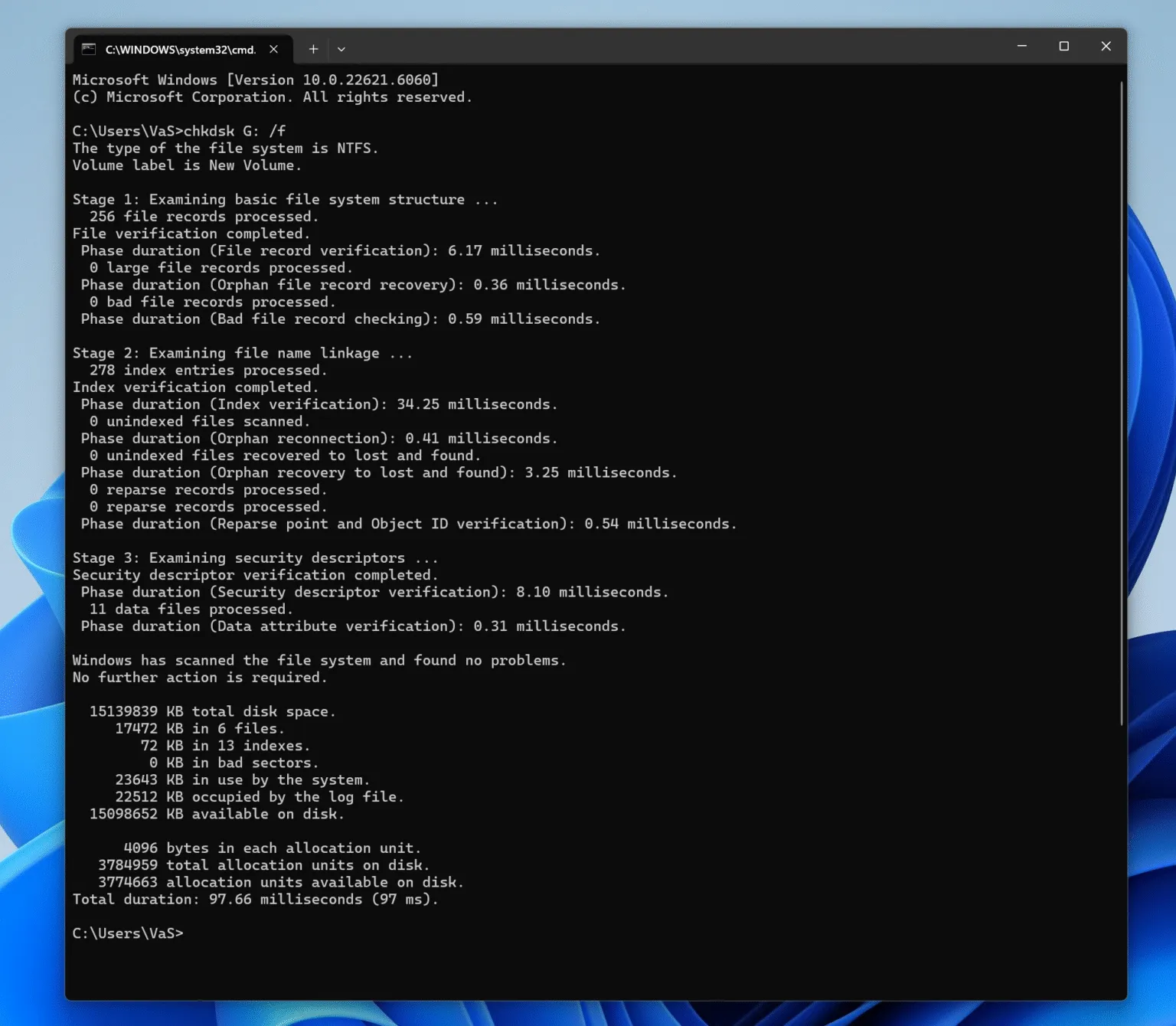
1. Run CHKDSK as Administrator
This is the most basic but essential step.
- Press Windows + S, type cmd
- Right-click Command Prompt → Run as administrator
- Run:
chkdsk X: /f
Replace X: with the correct drive letter.
If permissions were the issue, CHKDSK should now run normally.
2. Schedule CHKDSK at System Restart
If the volume is in use, Windows will block access.
- Run:
chkdsk X: /f /r
- When prompted, type Y to schedule the scan
- Restart your computer
Running CHKDSK before Windows loads allows exclusive disk access.
3. Use Safe Mode to Force Disk Access
Safe Mode loads minimal drivers and services.
- Restart and hold Shift → Restart
- Navigate to Advanced Options → Startup Settings → Safe Mode
- Open Command Prompt as administrator
- Run CHKDSK again
This often resolves access conflicts caused by background software.
4. Check for File System Errors Before Repair
If CHKDSK cannot open the volume for direct access, check disk status first:
fsutil dirty query X:
If the disk is flagged as dirty, CHKDSK is required—but data should be protected first.
5. Recover Important Data Before Advanced Repairs
If access is still denied, do not repeatedly force CHKDSK. Repeated attempts on a failing disk can worsen corruption.
A professional, read-only data recovery tool such as Magic Data Recovery can safely scan the drive without modifying disk structures. This allows you to secure important files before attempting deeper repairs or formatting.
CHKDSK Parameters Explained: /F vs /R
- /F fixes logical file system errors
- /R locates bad sectors and recovers readable data (includes /F)
For minor issues, /F is usually sufficient. Use /R only when disk integrity problems are suspected, as it takes significantly longer.
When CHKDSK Cannot Open Volume for Direct Access
This specific error often indicates one of the following:
- The disk is encrypted or locked
- The file system becomes RAW due to bad sectors
- Hardware errors are preventing volume mounting
In these cases, data recovery should be prioritized before repair. Tools like Magic Data Recovery are designed to read inaccessible volumes safely and extract files without triggering further damage.
Best Practices to Avoid Disk Access Denied Errors
- Always run disk utilities with administrator privileges
- Avoid interrupting CHKDSK once it starts
- Keep regular backups of critical data
- Monitor disk health using SMART tools
- Recover data before attempting repairs on unstable drives
Conclusion
A check disk access denied error does not mean your data is gone. It simply indicates Windows cannot access the disk safely at that moment. By following a structured approach—permission checks, Safe Mode, scheduled scans, and data protection—you can resolve the issue without unnecessary risk.
For drives showing persistent access errors, download Magic Data Recovery to secure your files first and restore them safely before performing advanced disk repairs.
Supports Windows 7/8/10/11 and Windows Server
FAQ: Check Disk Access Denied
How to fix access denied on disk?
Is CHKDSK /F or /R better?
How to force run CHKDSK?
How to fix CHKDSK cannot open volume for direct access?
How do I get rid of access denied?
How to fix disk is not accessible?
Will CHKDSK fix corrupt files?
How long will CHKDSK /R take?

Vasilii is a data recovery specialist with around 10 years of hands-on experience in the field. Throughout his career, he has successfully solved thousands of complex cases involving deleted files, formatted drives, lost partitions, and RAW file systems. His expertise covers both manual recovery methods using professional tools like hex editors and advanced automated solutions with recovery software. Vasilii's mission is to make reliable data recovery knowledge accessible to both IT professionals and everyday users, helping them safeguard their valuable digital assets.