
How to Fix a Dead USB Drive: Complete Guide
When a USB drive suddenly stops working, most users immediately search for how to fix a dead USB drive. However, acting too quickly often leads to permanent data loss. Therefore, a structured approach becomes essential.
In many cases, a “dead” USB drive is not truly dead. Instead, it suffers from logical errors such as file system corruption. As a result, your data may still exist and remain recoverable.
This guide explains how to fix a dead USB flash drive in a safe and practical way. More importantly, it shows when to fix the drive and when to recover data first. Consequently, you can avoid common mistakes and improve USB drive recovery success.
Table of Contents
What Does a Dead USB Drive Mean?
Before learning how to fix a dead USB drive, you should understand what “dead” actually means. In fact, this term often describes several different scenarios.
For example, you may notice:
- The USB drive does not appear in File Explorer
- The device shows 0 bytes or incorrect capacity
- The file system turns into RAW
- Files become inaccessible
Although these symptoms look similar, they result from different causes. On one hand, some issues involve software corruption. On the other hand, others indicate hardware damage. Therefore, correct identification plays a critical role.
Can You Fix a Dead USB Drive or Not?
At this stage, you need to determine whether the USB drive can be fixed. Otherwise, you may waste time using the wrong method.
Logical Failure (Fixable Cases)
First, logical failures occur when the system still detects the USB drive. For instance:
- File system corruption
- Partition damage
- Drive letter conflicts
In these situations, recovery and repair remain possible. Therefore, you still have a strong chance of restoring both data and functionality.
Physical Damage (Not Fixable by Software)
However, physical damage creates a completely different outcome. Common examples include:
- Broken USB connector
- Burned internal components
- Memory chip failure
In these cases, software cannot help. Consequently, professional recovery services become the only viable option.
In short, no tool can fix a physically damaged USB drive.
Check Detection Before Applying Any Fix
Before attempting any solution, you should check whether the system detects the USB drive. This step directly affects how you approach how to fix a dead USB flash drive.
If the drive appears in Disk Management, even without a file system, you still have recovery options. In contrast, if the system cannot detect it at all, the problem likely involves hardware.
Therefore, detection acts as a key decision point. Without this step, you risk applying the wrong solution.
How to Fix a Dead USB Drive That Is Recognized
If your USB drive is detectable, you can proceed with logical fixes. However, each method serves a different purpose. Thus, choosing the right approach becomes important.
Repair File System Errors
First, file system corruption often prevents access. In many cases, system tools can repair these errors. As a result, the USB drive may become usable again.
Resolve Drive Letter Issues
In addition, missing drive letters can hide a working USB drive. Therefore, assigning a new letter often restores visibility instantly.
Format the USB Drive (Last Option)
Finally, formatting resolves severe corruption. However, it removes all data. Therefore, you should only use this method after data recovery.
Why Data Recovery Should Come First
Many users focus only on how to fix a dead USB drive, yet they ignore data safety. As a result, they often lose important files permanently.
To avoid this, consider the following risks:
- Repair tools may overwrite data
- Formatting deletes all files
- File structures may change during fixes
Because of these risks, recovering data first provides a safer path. After recovery, you can fix the USB drive without pressure.
Recover Data from a Dead USB Drive Safely
If the USB drive remains detectable, recovery becomes possible. Therefore, this step should come before any repair attempt.
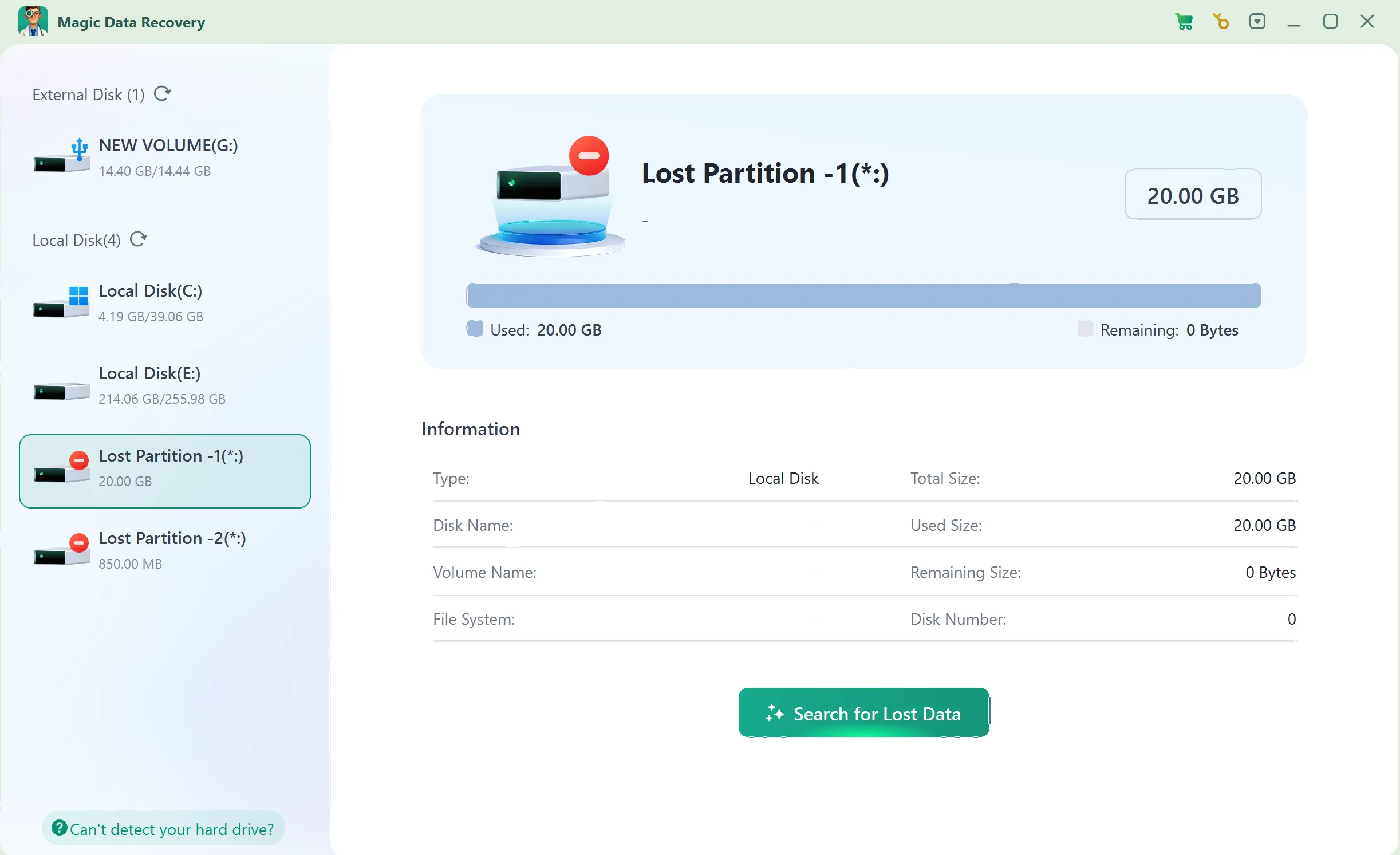
Professional tools, such as Magic Data Recovery, offer a practical solution. Unlike basic utilities, they scan raw sectors directly. As a result, they can locate files even when the file system is damaged.
Why This Method Is More Effective
Compared to standard methods, advanced recovery tools:
- Bypass corrupted file systems
- Detect hidden or lost partitions
- Perform deep scans for better results
Therefore, they significantly improve recovery success.
When to Use Data Recovery Tools
This approach works best when:
- The USB shows RAW format
- Files suddenly disappear
- The system asks for formatting
For example, if your USB drive appears but cannot open files, recovery software can still extract data. After that, you can safely fix the drive.
If you are exploring how to fix a dead USB drive, recovering data first with Magic Data Recovery provides a safer and more reliable solution.
What If the USB Drive Is Not Detected?
In some cases, the USB drive does not appear at all. Under these conditions, software solutions will not work.
However, you can still try simple checks:
- Switch USB ports
- Test another computer
- Check Device Manager
If the device remains undetected, hardware failure becomes likely. Therefore, professional recovery services may be required.
How to Prevent USB Drive Failure
Although learning how to fix a dead USB flash drive is important, prevention saves more time.
To reduce risks:
- Always eject the USB safely
- Avoid unplugging during transfers
- Keep backups of important files
- Use reliable storage devices
In addition, regular backups ensure data safety even if failure occurs.
Conclusion: Fix a Dead USB Drive the Right Way
Fixing a USB drive requires a logical process rather than guesswork. First, identify whether the issue is logical or physical. Then, recover data from the USB drive before applying any fix.
When dealing with how to fix a dead USB drive, data protection should always come first. If the device is still detectable, recovery tools offer a safer way to secure files.
That is why solutions like Magic Data Recovery stand out. Instead of risking data loss, they focus on recovery first. As a result, they provide a more reliable approach compared to direct repair methods.
Supports Windows 7/8/10/11 and Windows Server
FAQs
Can a dead USB drive be fixed without losing data?
Yes, but only in logical failure cases. If the system detects the USB drive, you can often repair it without losing data. However, you should recover files first. Otherwise, repair tools may overwrite data and reduce recovery chances significantly.
How to fix a dead USB flash drive showing RAW format?
A RAW USB drive indicates file system corruption. Therefore, you should recover data first using specialized software. After that, you can format the drive to restore usability. This method prevents permanent data loss and ensures a safer repair process.
Why is my USB drive detected but not accessible?
This issue usually results from file system corruption or partition damage. Although the system detects the drive, it cannot read its structure. Therefore, recovering data first and then repairing the drive offers the best outcome.
Can formatting fix a dead USB drive permanently?
Formatting can fix severe logical issues by rebuilding the file system. However, it deletes all data. Therefore, you should only format the USB drive after recovering important files to avoid irreversible loss.
What causes a USB drive to suddenly stop working?
Common causes include improper ejection, interrupted transfers, malware, and aging storage components. Over time, these factors damage the file system or hardware, which leads to failure.
Is it safe to use repair tools on a failing USB drive?
Repair tools can help fix errors, but they also carry risks. Some tools modify file structures. Therefore, recovering data first remains the safest approach when dealing with a failing USB drive.
When should I stop trying to fix a USB drive?
You should stop if the USB drive is not detected or shows physical damage. Continuing attempts may worsen the situation. In such cases, professional recovery services provide the best chance of retrieving data.

Vasilii is a data recovery specialist with around 10 years of hands-on experience in the field. Throughout his career, he has successfully solved thousands of complex cases involving deleted files, formatted drives, lost partitions, and RAW file systems. His expertise covers both manual recovery methods using professional tools like hex editors and advanced automated solutions with recovery software. Vasilii's mission is to make reliable data recovery knowledge accessible to both IT professionals and everyday users, helping them safeguard their valuable digital assets.