
Format Recovery Guide: Restore Lost Files
Formatting a drive by mistake can feel like a disaster. One wrong click may make photos, work files, videos, invoices, or school projects disappear in seconds. The good news is that format recovery may still be possible when the original data has not been overwritten.
This guide explains how format recovery works, what you should do immediately, which mistakes to avoid, and when a tool like Magic Data Recovery can help with the useful formatted data recovery solution. It covers common cases such as accidental formatting, file system errors, RAW partitions, virus damage, and system reinstallation.
Supports Windows 7/8/10/11 and Windows Server
Table of Contents
Can Formatted Files Really Be Recovered?
Many people wonder: can formatted files really be recovered? The answer is yes, but it depends on how the formatting was done and what you do afterward. When you format a disk, the operating system mainly rebuilds the file system structure, which means your files often still exist on the storage device—at least until new data overwrites them.
- Quick format usually only removes file references, so most files remain recoverable.
- Full format or continued use of the disk reduces recovery chances because data may be overwritten.
- SSD drives can be trickier due to TRIM commands, which permanently erase blocks of data for performance reasons.
In short, formatted files can often be restored if you stop using the device immediately and use a reliable recovery solution like Magic Data Recovery. Acting quickly is the key to improving recovery success.
Stop First: What to Do Before Any Format Recovery Attempt
Your first actions matter more than the tool you choose. To improve your chance of recovering formatted files:
- Stop using the formatted drive immediately.
- Do not reinstall apps, copy files, or download anything to that drive.
- Do not format the drive again.
- Do not run CHKDSK before recovery if the disk shows RAW or file system errors.
- Save recovered files to a different healthy drive.
These steps reduce the risk of overwriting lost files. They also keep the original storage device in a cleaner state for scanning.
Common Data Loss Scenarios That Need Format Recovery
Data loss can happen in many ways, and understanding the most common scenarios helps you choose the right format recovery approach.
1. Accidental Quick Format
This is the classic format recovery case. You may format the wrong USB drive, SD card, external hard drive, or secondary partition. If you act quickly and avoid writing new data, recovery software can often find files through file system records or deep scanning.
2. Drive Becomes RAW
A RAW partition means Windows cannot recognize the file system properly. Users often see messages such as “You need to format the disk before you can use it.” Do not click format before recovering your files. RAW partition recovery usually needs a tool that can scan file system metadata and file signatures. UFS Explorer also notes that specialized recovery software can analyze remaining file system metadata and save restored files to another secure storage location.
3. File System Error or Corruption
A drive may become inaccessible after a power failure, unsafe removal, software crash, or partition table issue. In this case, format recovery overlaps with file system error recovery. The goal is to recover the files first, then repair or reformat the drive later.
4. Virus Damage
Malware can hide files, corrupt file paths, damage partition information, or make folders unreadable. After removing the threat, data recovery software can scan the affected device and look for remaining recoverable files.
5. System Reinstallation
Reinstalling Windows or resetting a PC can remove old user folders, application files, or partitions. Recovery becomes harder if the installer wrote many new files to the same disk. Still, a deep scan may find older documents, photos, archives, and project files if their data areas remain intact. R-Studio’s recovery guide also lists file recovery after reinstalling Windows as a common recovery scenario.
Free Methods vs Professional Format Recovery Software
You can try several approaches before choosing paid software. Backups should always come first. Check File History, cloud sync folders, external backup drives, and previous copies. Microsoft also provides Windows File Recovery for local storage devices, including internal drives, external drives, and USB devices, but it uses a command-line workflow and may feel difficult for non-technical users.
Free tools can help in simple cases. Yet they may limit file preview, recovery size, supported file systems, scan depth, or usability. For users who need a clearer workflow, dedicated format recovery software often saves time because it combines scan, filter, preview, and recovery steps in one interface.
Why Recommend Magic Data Recovery?
Magic Data Recovery fits the problem-solving needs of users who want a practical format recovery solution without dealing with complex commands. It supports recovery from deleted files, formatted drives, file system errors, RAW partitions, virus damage, system crashes, and system reinstallation scenarios.
Its main advantages include:
- Broad storage support for HDDs, SSDs, USB drives, SD cards, memory cards, and external drives.
- Deep scanning for formatted or inaccessible devices.
- File preview before recovery, which helps users confirm whether files are usable.
- Support for many common file types, including documents, photos, videos, audio files, emails, and archives.
- A beginner-friendly workflow: select the drive, scan, preview, and recover.
This approach matters because formatted drive recovery is not only about finding lost files. You also need to avoid saving recovered data back to the same drive, choose the right scan mode, and verify files before restoring a large batch. Magic Data Recovery keeps those steps simple.
When Magic Data Recovery Is Especially Useful
Use Magic Data Recovery when:
- You accidentally formatted a USB drive, memory card, or external hard drive.
- A partition changed to RAW and Windows asks you to format it.
- Files disappeared after a virus attack or file system error.
- You reinstalled Windows and need to search for old files.
- You want to preview files before saving the recovered data.
If the device makes clicking noises, fails to spin, overheats, or does not appear in BIOS or Disk Management, stop using software and contact a professional lab. Software handles logical data loss best. Physical damage needs hardware-level diagnosis.
Supports Windows 7/8/10/11 and Windows Server
How to Perform Format Recovery with Magic Data Recovery
Follow these steps for a safer recovery process:
Step 1: Install the Software on Another Drive
Download and install Magic Data Recovery on a healthy drive, not the formatted one. This prevents the installation process from overwriting lost data.
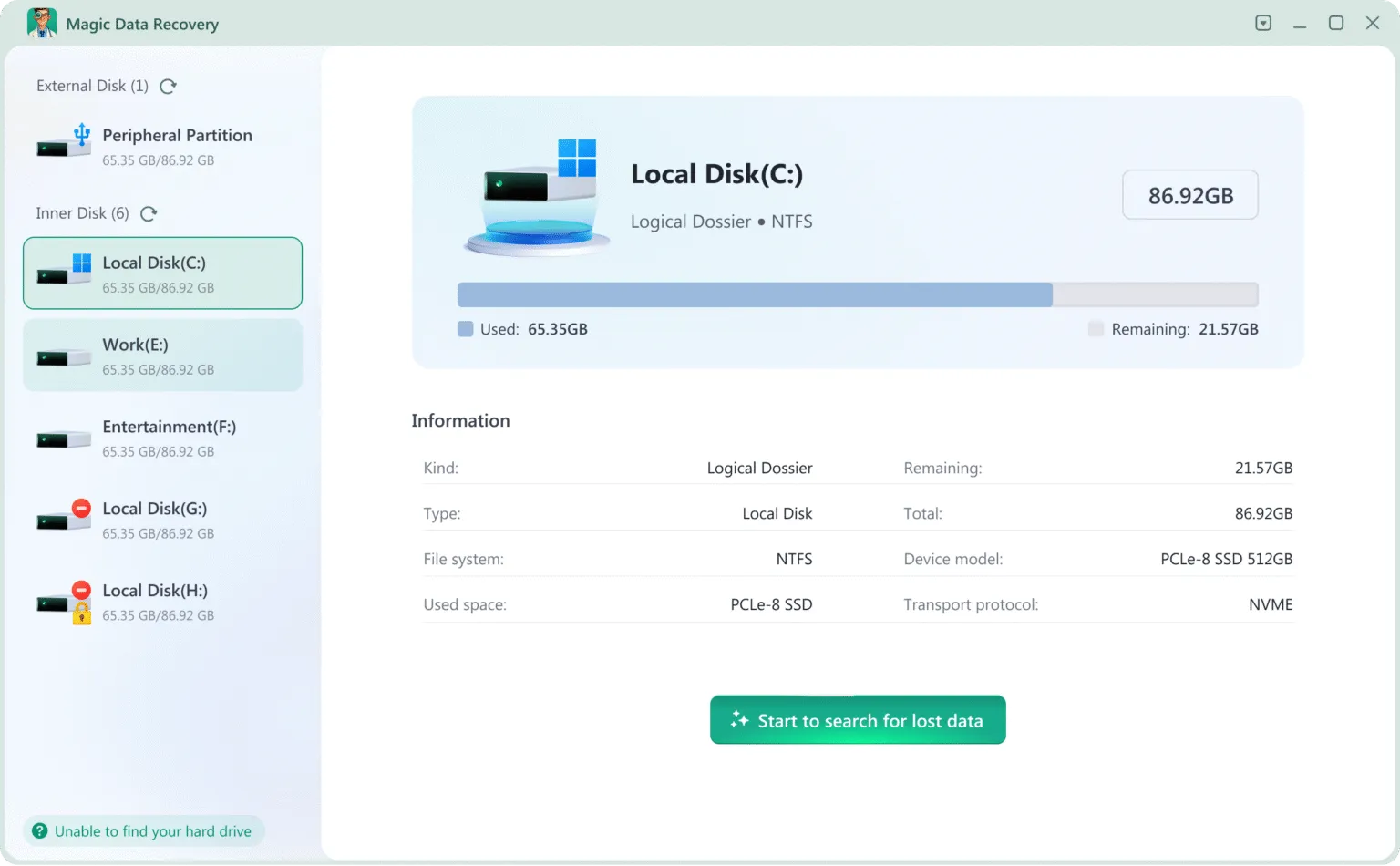
Step 2: Select the Formatted Device
Open the software and choose the drive, partition, USB, SD card, or external device that lost data. Make sure you select the correct source before scanning.
Step 3: Run a Scan
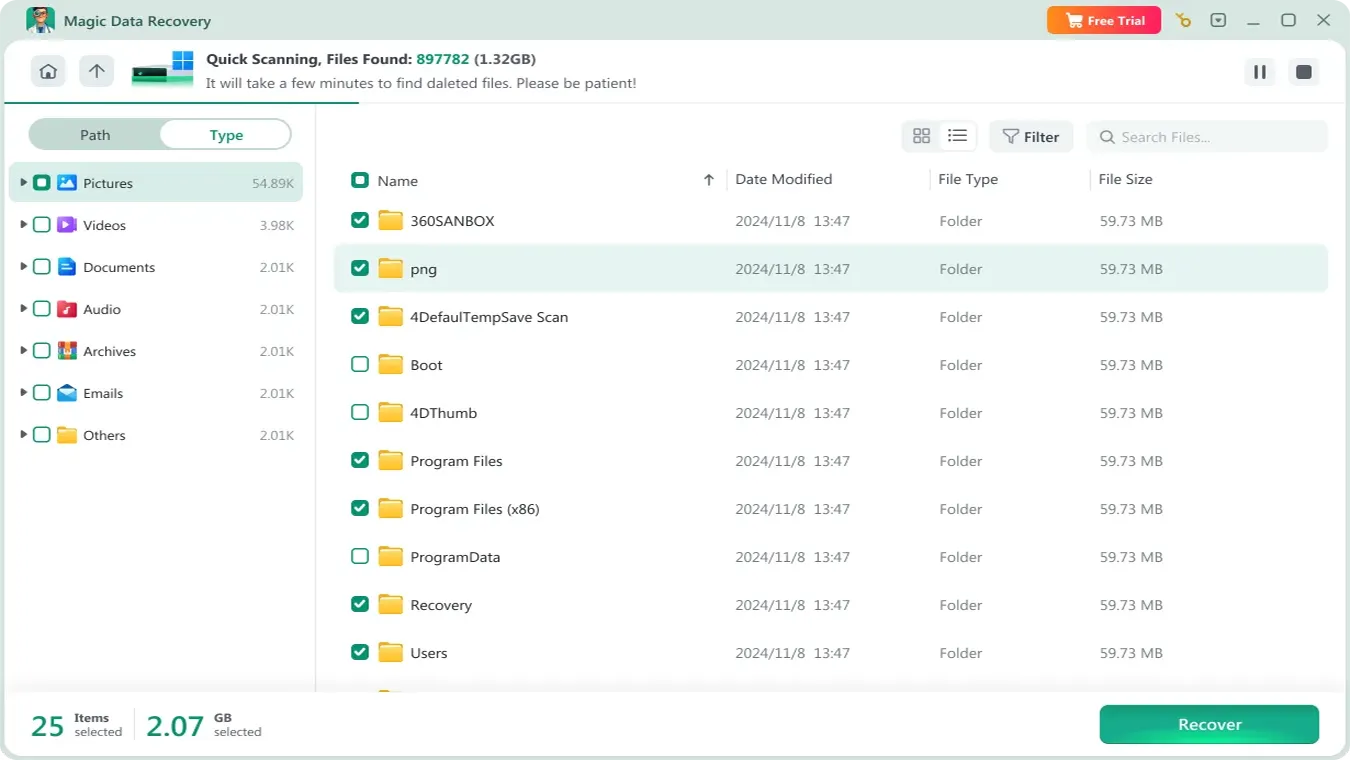
Start the scan. A quick scan may find recently lost files quickly. A deep scan checks more sectors and helps with formatted drives, RAW partitions, and file system errors.
Step 4: Preview and Filter Files
Use filters such as file type, size, date, or name. Preview documents, images, and other supported files when possible. This helps you recover the right files instead of restoring unnecessary data.

Step 5: Recover to a Safe Location
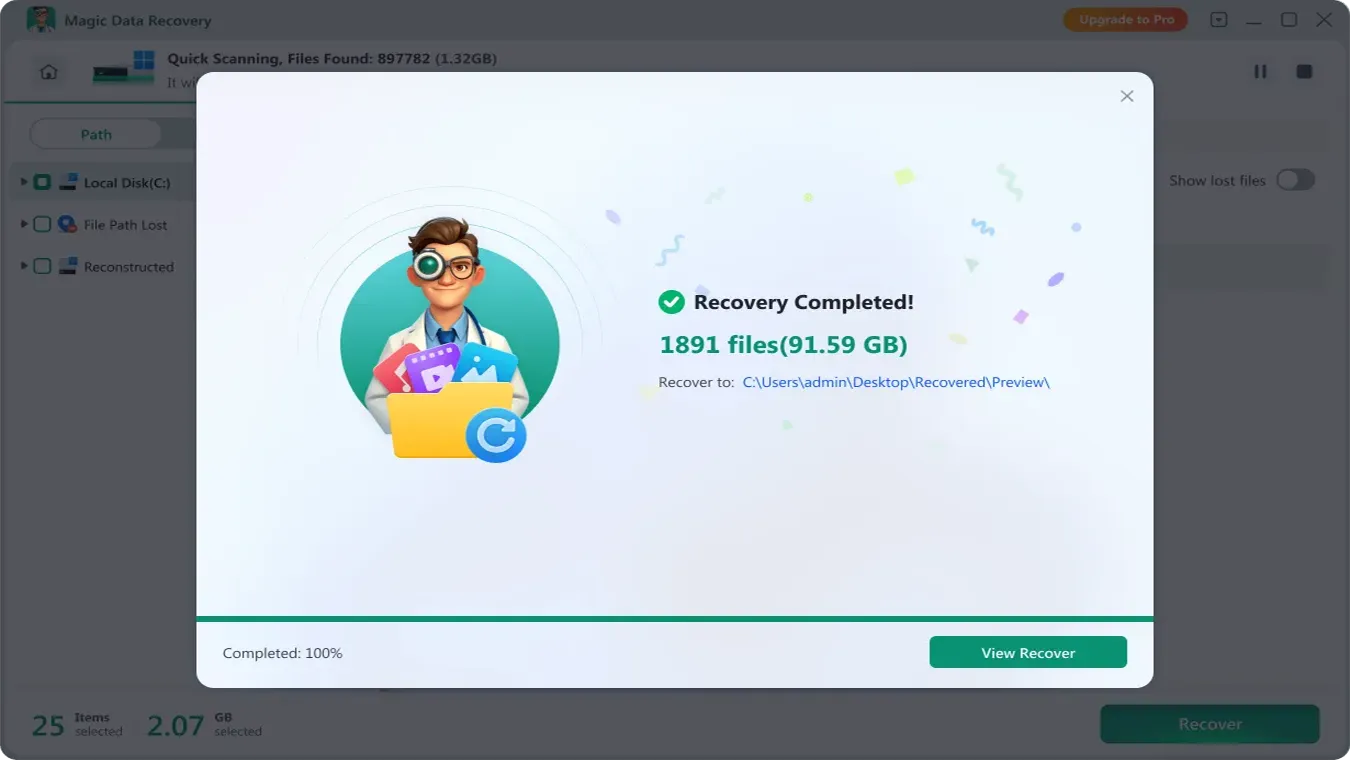
Save recovered files to another drive. Never restore files to the formatted device during the same format recovery session. After you confirm your files are safe, you can repair, reformat, or replace the original drive.
Format Recovery Tips That Improve Success Rate
Here are practical tips based on common user mistakes:
- Act quickly. The more you use the drive, the higher the overwrite risk.
- Avoid repeated formatting. It does not improve recovery.
- Keep the original device connected steadily during scanning.
- Recover important files first, especially documents, photos, videos, and project folders.
- Create a backup after recovery so the same problem does not happen again.
A smart recovery plan protects both your lost files and your current system. It also helps you avoid panic-driven actions that can make recovery harder.
Best Format Recovery Solution: What to Look For
The best format recovery tool should offer more than a scan button. Look for these features:
- Support for formatted drives, RAW partitions, file system errors, and lost partitions.
- A preview feature to verify files before recovery.
- Clear filtering to reduce search time.
- Read-only scanning that does not change the source drive.
- Simple recovery steps for non-technical users.
- Clear guidance to save files to another disk.
Magic Data Recovery matches these needs well for everyday users and small business owners. It gives users a focused way to recover lost files after formatting without forcing them into technical command-line work.
Conclusion
Format recovery works best when you stop using the affected drive, avoid overwriting data, and choose a tool that can scan deeply and preview files clearly. Backups and free methods are worth checking first, but they may not cover formatted drives, RAW partitions, virus damage, or system reinstallation cases well enough.
That is why Magic Data Recovery is a strong recommendation. It addresses the core recovery pain points, supports many logical data loss scenarios, and keeps the workflow simple: scan, preview, and recover to a safe location. If you are looking for a more efficient formatted data recovery solution, try Magic Data Recovery before giving up on your formatted drive.
Supports Windows 7/8/10/11 and Windows Server
FAQs About Format Recovery
Can I recover files after formatting a drive?
Yes, format recovery may work if the files have not been overwritten. A quick format often removes file system references rather than instantly destroying every file. Stop using the drive, scan it with reliable recovery software, preview the results, and save recovered files to another healthy storage device.
Is format recovery possible after a full format?
It depends on the drive type, system, and whether the full format overwrote the data. A completed full format usually reduces the chance significantly. If the process stopped early, some files may remain recoverable. Avoid further use and scan the drive or contact a professional lab for critical data.
Can Magic Data Recovery restore data from a RAW partition?
Yes. Magic Data Recovery can help with RAW partition recovery when the issue comes from logical corruption, file system errors, or damaged partition information. It scans the device for recoverable files and lets you preview items before saving them to another drive.
Should I format a RAW drive before recovering files?
No. Formatting a RAW drive before recovery may overwrite file system information and reduce your chances. Recover the files first with a tool designed for RAW or formatted drive recovery. After you save the data safely, you can format the drive to make it usable again.
Can I recover files after reinstalling Windows?
Sometimes, yes. Recovery depends on how much new data Windows wrote during installation. If the old files were not overwritten, deep scanning may find documents, images, videos, archives, and project folders. For the best chance, stop using the system drive and recover data to another disk.
Is free format recovery software enough?
Free software can work for simple deleted-file cases or small recovery tasks. However, formatted drives, RAW partitions, and system errors often need deeper scanning, better filtering, and preview features. Magic Data Recovery gives users a more guided workflow, which helps reduce mistakes during urgent recovery.
Where should I save recovered files?
Always save recovered files to a different healthy drive. Saving them back to the formatted drive can overwrite other lost files that have not been recovered yet. Use an external hard drive, another internal partition, or a large USB drive with enough free space.
When should I stop using software and call a recovery lab?
Stop using software if the drive makes clicking sounds, disconnects repeatedly, smells burnt, overheats, or does not appear in BIOS or Disk Management. These signs may point to physical damage. In that case, software scans can stress the device, so a professional recovery lab is safer.

Jason is a data recovery and technical support specialist with over 15 years of hands-on experience. He has worked extensively with frontline users, troubleshooting difficult data loss cases and providing practical recovery solutions for accidental deletion, formatted drives, damaged file systems, lost partitions, system failures, and other recovery emergencies. His expertise also includes backup and restoration, file repair, and disaster recovery, with a strong emphasis on safe, reliable, and technically accurate guidance.