
SysTools Hard Drive Data Recovery Review
Losing files from a hard drive or USB drive can happen in seconds. A mistaken deletion, accidental formatting, RAW partition error, virus damage, or system crash may block access to important documents, photos, videos, and work files. Many users search for systools hard drive data recovery or systools pen drive recovery when they need a recovery solution. However, choosing the right tool matters because the wrong workflow may reduce your chance of getting files back.
This guide compares systools hard drive data recovery with Magic Data Recovery from Amagicsoft. It explains where SysTools can help, where users may need a broader hdd recovery solution, and why Magic Data Recovery is a better recommendation for ordinary users who want a cleaner interface, wider recovery coverage, and a safer step-by-step process.
Supports Windows 7/8/10/11 and Windows Server
Table of Contents
What Can SysTools Hard Drive Data Recovery Do?
systools hard drive data recovery is a Windows data recovery tool designed to recover lost, deleted, or formatted files from hard disks and other storage devices. Its official page highlights features such as quick scanning, previewing recovered data, searching within results, sorting items by attributes, and saving selected folders.
For users who mainly need to scan a hard drive and preview recoverable files, systools hard drive data recovery covers several basic needs. It can be useful when files were deleted from a detectable hard drive or when a formatted partition still appears in Windows.
However, data loss does not always follow a simple pattern. A drive may turn RAW, Windows may ask you to format it, a file system error may block access, or files may disappear after system reinstallation. In these real-world cases, users often need a recovery tool that combines broad scenario coverage with a clear recovery workflow.
SysTools Hard Drive Data Recovery vs Magic Data Recovery
Both tools aim to recover lost files, but they differ in product positioning, user experience, and recovery coverage.
Comparison Area | SysTools Tools | Magic Data Recovery |
Main focus | Separate tools for hard drive and pen drive recovery | Unified recovery for HDDs, SSDs, USBs, SD cards, cameras, and more |
Common scenarios | Deleted, formatted, corrupted, or lost files | Deleted files, formatted drives, RAW partitions, file system errors, virus damage, system reinstallation, lost partitions |
Ease of use | Functional recovery workflow | Cleaner scan-preview-recover workflow for non-technical users |
Recovery process | Scan, preview, search, sort, save | Select drive, quick/deep scan, filter, preview, recover to a safe location |
Best fit | Users who want a SysTools-specific recovery utility | Users who want a broader, simpler, and more complete recovery solution |
From a practical SEO and user-intent perspective, people searching systools hard drive data recovery usually want one thing: a dependable way to recover files without making the situation worse. Magic Data Recovery addresses that need with wider data loss support and a more beginner-friendly recovery flow.
Why Magic Data Recovery Is the Better Recommendation
Magic Data Recovery is built for common logical data loss scenarios. It supports recovery from deleted files, formatted drives, file system errors, RAW partitions, corrupted storage, virus-related loss, and system reinstallation cases. This broader coverage gives it an advantage over using separate tools for different device types.
The strongest advantage is usability. Many users panic after losing data. They may install software on the wrong drive, run CHKDSK too early, format the drive again, or save recovered files back to the damaged device. Magic Data Recovery guides users through a safer process: choose the affected drive, scan it, preview files, filter results, and recover data to another healthy drive.
That workflow matters because data recovery success often depends on user behavior. When files are deleted or a drive is formatted, the original data may still exist until new data overwrites it. Therefore, users should stop using the affected drive, avoid installing new programs on it, and recover files to a different destination.
When Should You Use Magic Data Recovery Instead?
Choose Magic Data Recovery instead of relying only on systools hard drive data recovery when your case involves more than simple deletion.
It is especially useful when:
- You deleted files and emptied the Recycle Bin
- You formatted a hard drive, USB drive, or memory card
- A partition became RAW
- Windows says the drive needs formatting
- Files disappeared after virus damage
- You reinstalled Windows and need old files back
- You want to preview files before recovery
- You need one tool for HDD, SSD, USB, SD card, and external drive recovery
For example, suppose a user formatted a USB drive after Windows showed a file system error. systools pen drive recovery may help with formatted USB recovery. However, Magic Data Recovery gives a more complete path because it also addresses RAW partitions, file system errors, and formatted storage in one interface.
How to Recover Lost Files with Magic Data Recovery
Follow these steps for a safer recovery attempt.
Step 1: Stop Using the Affected Drive
Do not copy new files, reinstall software, or format the drive again. Continued use may overwrite recoverable data. If the device shows physical symptoms such as clicking sounds, overheating, or failure to appear in Disk Management, stop software recovery and contact a professional recovery lab.
Step 2: Install Magic Data Recovery on Another Drive
Install the software on a healthy drive, not on the drive that lost data. This reduces overwrite risk and protects remaining recoverable files.
Supports Windows 7/8/10/11 and Windows Server
Step 3: Select the Lost-Data Location
Open Magic Data Recovery and choose the affected hard drive, SSD, USB drive, SD card, or partition. Confirm that you selected the correct source before scanning.
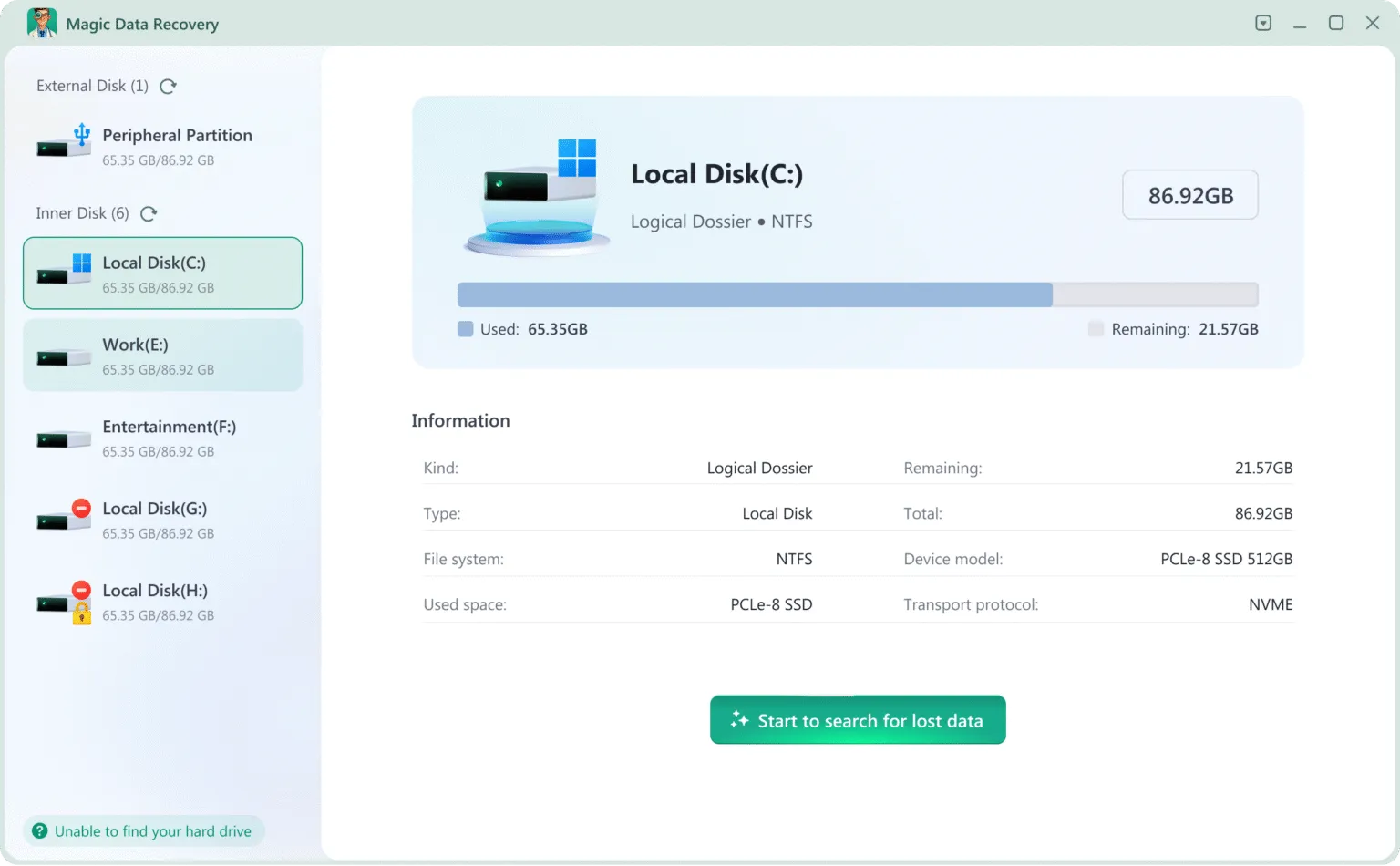
Step 4: Run a Scan
Start with a scan to search for deleted and lost files. For formatted drives, RAW partitions, or file system errors, a deeper scan can inspect more sectors and find files that a basic search may miss.
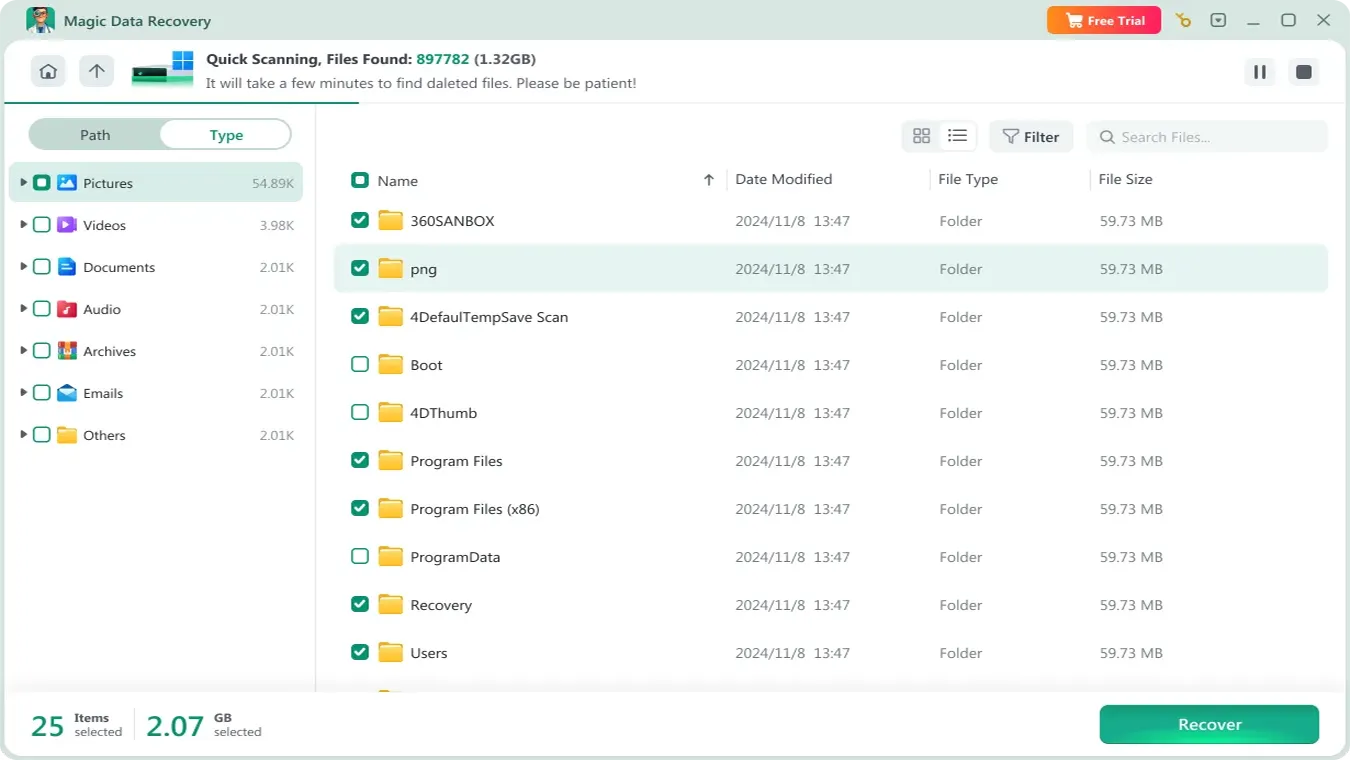
Step 5: Preview and Filter Results
Use file type, name, date, or size filters to narrow the results. Preview supported files before recovery so you can restore the right documents, photos, videos, or project folders.

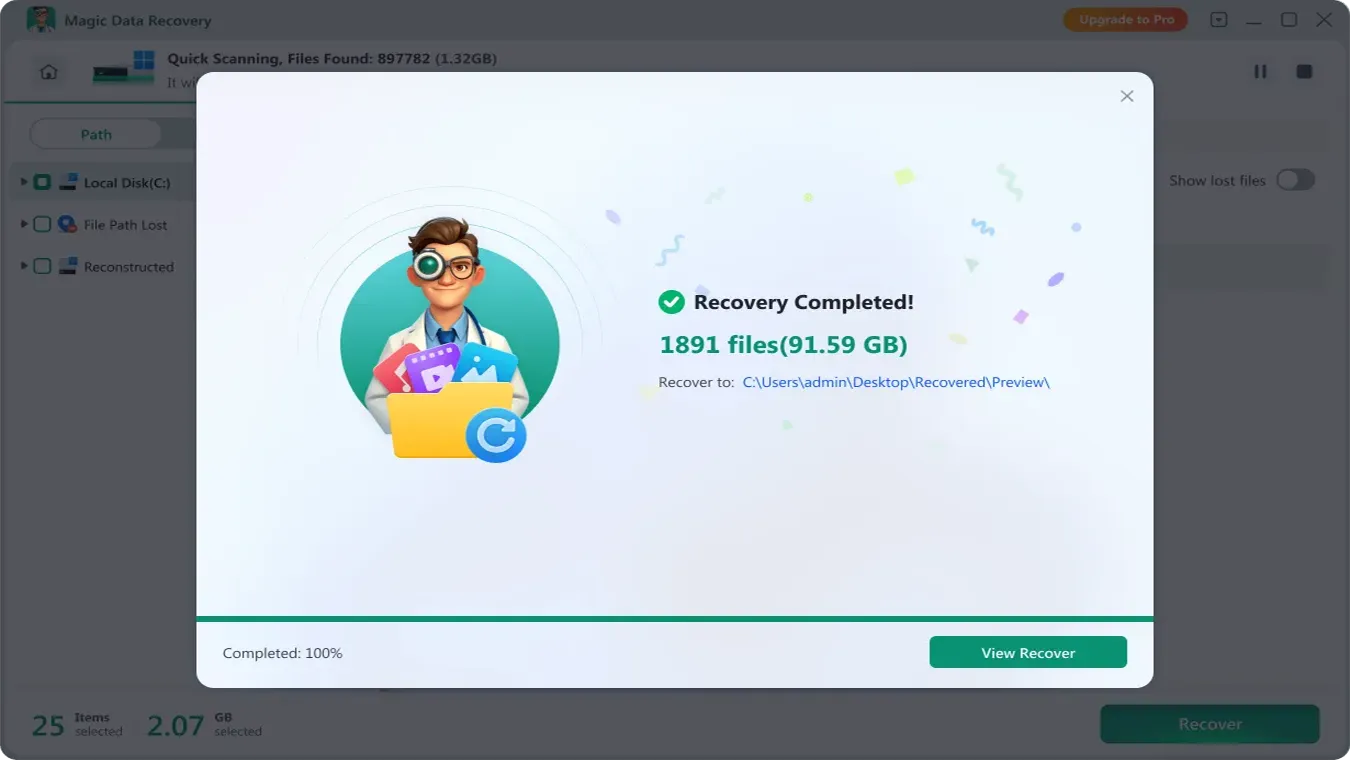
Step 6: Recover to a Safe Location
Save recovered files to another healthy drive. Never restore data to the same formatted or corrupted drive during the same recovery session.
Practical Tips Before Using Any Recovery Software
Whether you use systools hard drive data recovery, systools pen drive recovery, or Magic Data Recovery, the same best practices apply.
First, act quickly. The longer you use the affected drive, the higher the overwrite risk. Next, avoid repeated formatting because it does not improve recovery. Also, do not run repair commands before scanning if the disk shows RAW or file system errors. Finally, recover important files first and create a backup after recovery.
These steps sound simple, but they prevent common mistakes. A recovery tool can scan lost data, but it cannot always restore overwritten files.
Conclusion
systools hard drive data recovery can help users scan and recover deleted or formatted hard drive data. systools pen drive recovery also covers common USB drive recovery cases. Both tools have practical value for users who prefer SysTools products.
However, Magic Data Recovery is the stronger recommendation for most users because it offers broader recovery coverage, a cleaner interface, and a safer workflow. It supports deleted files, formatted drives, file system errors, RAW partitions, virus damage, system reinstallation, and multiple storage devices in one hdd recovery solution.
If you are looking for a more efficient and user-friendly alternative to systools hard drive data recovery, try Magic Data Recovery. It gives everyday users a clearer way to scan, preview, and recover lost files without unnecessary technical complexity.
Supports Windows 7/8/10/11 and Windows Server
FAQs
Is systools hard drive data recovery good for formatted drives?
Yes, systools hard drive data recovery can help with formatted drive recovery when the drive remains detectable by Windows. However, formatted recovery depends on whether new data has overwritten the old files. For broader cases such as RAW partitions, file system errors, and system reinstallation, Magic Data Recovery offers a more complete recovery workflow.
What is the best alternative to systools hard drive data recovery?
Magic Data Recovery is a strong alternative because it handles more real-world data loss scenarios in one interface. It supports deleted files, formatted drives, RAW partitions, file system errors, virus damage, and lost partitions. It also provides preview and filtering options, which help users verify recoverable files before saving them.
Can systools pen drive recovery recover deleted USB files?
Yes, systools pen drive recovery is designed to recover deleted, formatted, corrupted, or lost data from pen drives and USB flash drives. It can be useful for common USB problems. Still, if you also need hard drive, SSD, SD card, or RAW partition recovery, Magic Data Recovery gives broader device support.
Why is Magic Data Recovery easier for beginners?
Magic Data Recovery uses a simple scan-preview-recover process. Users choose the affected drive, scan it, preview files, filter results, and save recovered data to a safe location. This workflow reduces common mistakes, such as saving files back to the damaged drive or using repair commands before recovery.
Can data recovery software recover every lost file?
No recovery software can honestly promise to recover every lost file. Recovery depends on the cause of data loss, drive condition, file system status, and whether the lost data has been overwritten. Tools like Magic Data Recovery improve the process by scanning deeply, previewing results, and guiding safer recovery actions.
Should I run CHKDSK before using data recovery software?
Avoid running CHKDSK first if the drive shows RAW, file system errors, or asks to be formatted. Repair commands may change file system structures and make recovery harder in some cases. A safer approach is to scan the affected drive first with Magic Data Recovery, recover important files, and repair the drive later.
Is Magic Data Recovery better than systools pen drive recovery?
For USB-only cases, systools pen drive recovery may be enough. However, Magic Data Recovery is better for users who want one solution for USB drives, hard drives, SSDs, SD cards, RAW partitions, formatted drives, and file system errors. Its interface also feels more suitable for non-technical users.
What should I do immediately after losing hard drive data?
Stop using the affected drive right away. Do not install programs, copy files, format again, or save new data to it. Install Magic Data Recovery on another healthy drive, scan the lost-data location, preview recoverable files, and save them to a different destination. This reduces overwrite risk and improves recovery chances.

Jason is a data recovery and technical support specialist with over 15 years of hands-on experience. He has worked extensively with frontline users, troubleshooting difficult data loss cases and providing practical recovery solutions for accidental deletion, formatted drives, damaged file systems, lost partitions, system failures, and other recovery emergencies. His expertise also includes backup and restoration, file repair, and disaster recovery, with a strong emphasis on safe, reliable, and technically accurate guidance.