
Windows 10 Support Will End, What Should I Do?
As Windows 10 support will end on October 14, 2025, many users are beginning to worry about the future of their systems, software, and data. Without ongoing updates or security patches, Windows 10 devices will gradually become less secure and less compatible with modern applications. To prepare for this transition, it’s important not only to plan your upgrade path but also to back up your software license keys. Using a dedicated tool like Magic Recovery Key can help you easily retrieve and save all your activation keys before you switch to another system or reinstall Windows.
Supports Windows 7/8/10/11 and Windows Server
Table of Contents
When Will Windows 10 Support End?
The support for Windows 10 is scheduled to end on October 14, 2025. After this date, Microsoft will no longer provide free software updates from Windows Update, technical assistance, or security fixes for Windows 10. Your Pc will still work, but we recommend moving to Windows 11. Windows 11 offers a modern and efficient experience designed to meet current demands for heightenedsecurity.

Impact on Users After Windows 10 Support Ends
Once the support ends, users will face several significant risks. Firstly, without security updates, the system will be more vulnerable to cyber threats such as viruses, malware, and hackers. These threats can potentially steal personal information, damage files, or even take control of the computer. Secondly, compatibility issues may arise. As software developers continue to progress, new applications may not be fully compatible with Windows 10, and existing software may stop receiving updates, leading to a sub – optimal user experience
Options for Users After Windows 10 Support Ends
1. Upgrade to Windows 11

• Pros: Windows 11 comes with new features, better performance, and enhanced security features. It also ensures compatibility with the latest software and hardware. For example, it has a redesigned user interface, improved multitasking capabilities, and support for the latest technologies like DirectX 12 Ultimate.
• Cons: Some older computers may not meet the system requirements for Windows 11. Upgrading may also require purchasing a new license if the current Windows 10 license is not eligible for a free upgrade. Additionally, there may be a learning curve for users accustomed to the Windows 10 interface.
2. Stick with Windows 10
• Pros: Familiarity. Users who are comfortable with the Windows 10 interface and have all their software and hardware working well may not want to go through the hassle of upgrading. Also, if the computer does not meet the Windows 11 requirements, this may be the only practical option in the short term.
• Cons: As mentioned earlier, security risks will increase significantly. There will be no more official fixes for bugs and security vulnerabilities. Software compatibility may also become a major issue over time.
3. Switch to an Alternative Operating System like macOS

• Pros: macOS has a more aesthetically pleasing interface and friendlier interactions, and the overall experience is better compared to Windows.
• Cons: The learning curve can be steep for those who are used to the Windows ecosystem. Some software that is commonly used on Windows may not have direct equivalents or may require more effort to set up on macOS.
Whether you choose to switch to a Windows 11 PC or a Mac with macOS, you’ll encounter challenges in migrating data and software. Notably, purchased software represents a digital asset. Figuring out how to safeguard this digital asset, obtain software activation keys from your Windows 10 PC, and re – activate the software on a new computer can be quite troublesome. Fortunately, Magic Recovery Key can assist you in extracting the activation keys for all your software.
How to Extract All Software License Keys After Support Ends
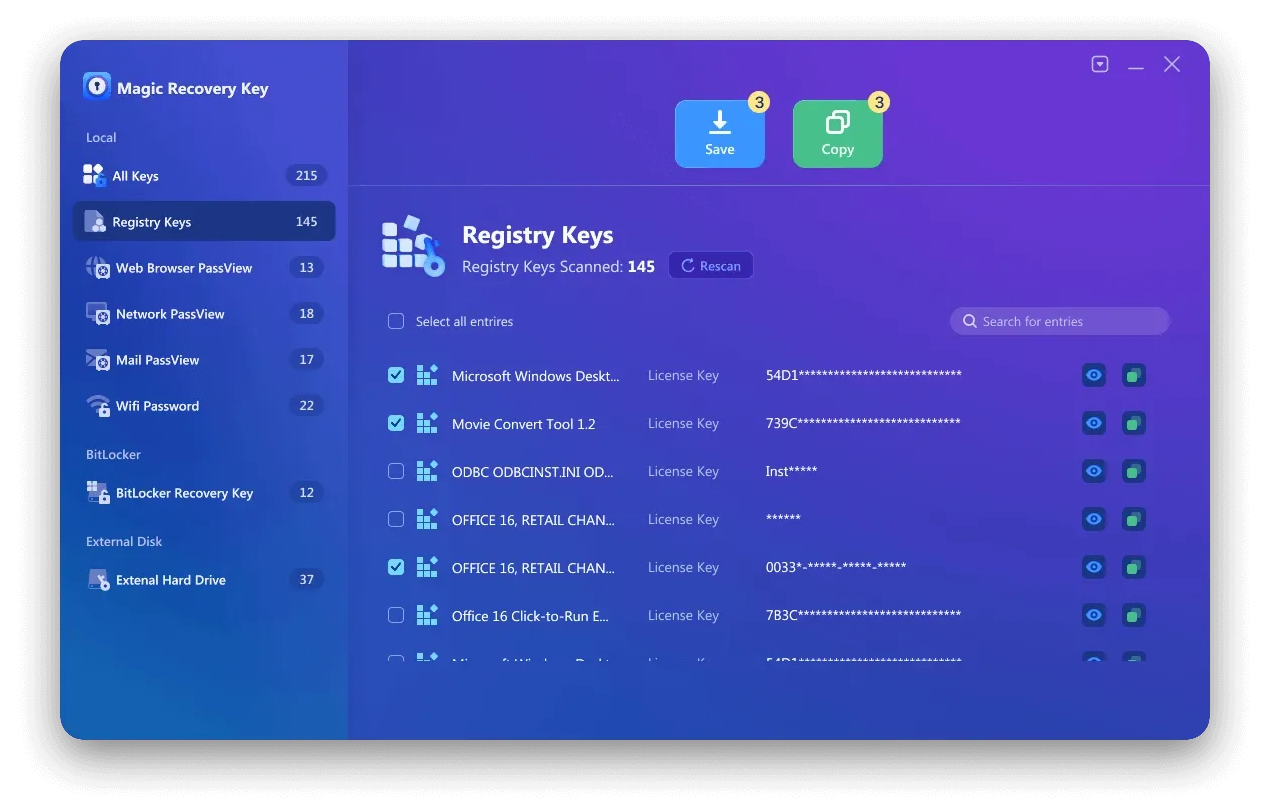
When you decide to upgrade or switch operating systems, it’s important to keep your software License keys. One recommended tool for this purpose is Magic Recovery Key. This software can quickly scan your computer and retrieve the activation keys for various applications, including Microsoft Office, Adobe products, and more. Here are 3 steps to get all your software license keys:
Download and Install: Begin by downloading and installing Magic Recovery Key on your computer. Ensure you download it from the official website to guarantee its authenticity and security.
Supports Windows 7/8/10/11 and Windows Server
Launch the Program: Once installed, launch the program. It will list the license key of your software on this computer.

Save or Copy Your License Keys : Once installed, launch the program. It will list the license key of your software on this computer.
Conclusion
The end of support for Windows 10 marks a major turning point for millions of users worldwide. Whether you decide to upgrade to Windows 11, continue using Windows 10 temporarily, or move to a different operating system, preparation is essential. Make sure your files, settings, and especially your software license keys are properly backed up to avoid unnecessary data loss or activation problems. A tool such as Magic Recovery Key can greatly simplify this process by retrieving all keys in one scan. Taking these steps now ensures a smoother, safer transition when Windows 10 support officially ends.
Supports Windows 7/8/10/11 and Windows Server
Windows 10 Support Will End – FAQs
When will Windows 10 support officially end?
Will my computer stop working after Windows 10 reaches end of support?
Is it safe to keep using Windows 10 after support ends?
What should I do when Windows 10 support ends?
What if my PC cannot upgrade to Windows 11?
How do I keep my software activation keys when upgrading or changing systems?
What are the benefits of upgrading to Windows 11?

Erin Smith is recognized as one of the most professional writers at Amagicsoft. She has continually honed her writing skills over the past 10 years and helped millions of readers solve their tech problems.