
Physically Broken SD Card Recovery: A Proven Guide
Losing files from an SD card, no matter they are photos, videos, or documents, can feel overwhelming, especially when the card is physically damaged. A cracked casing, bent connector, or water exposure can make your SD card unreadable in seconds. However, physically broken SD card recovery is still possible in many cases. If your computer can detect the card, you may be able to recover your files without sending it to a lab.
In this guide, you’ll learn how to check whether SD card recovery is possible, what types of physical damage affect success rates, and how to recover files safely using Magic Data Recovery.
Supports Windows 7/8/10/11 and Windows Server
Table of Contents
How to Check If Physically Broken SD Card Recovery Is Possible
Before you start any recovery attempt, you should first confirm whether your computer can still detect the SD card. This step matters because software recovery only works if the system can communicate with the storage chip.
Check the SD Card with a Card Reader and Disk Management
First, insert the damaged SD card into a high-quality card reader. Then connect it to your computer and check whether Disk Management can recognize it.
If the SD card appears in the list (even if it shows as “RAW” or “Unallocated”), you still have a good chance of recovering your files. On the other hand, if your system cannot detect the card at all, you may need professional repair.
Use Free Detection Tools Before Paying for Recovery
Next, try using free detection or scanning features included in recovery tools. For example, Magic Data Recovery can scan the SD card and show whether recoverable files still exist.
This step helps you avoid wasting money. If the scan finds folders, photos, or video files, recovery is likely possible. If it finds nothing, the physical damage may be too severe.
Common Causes of SD Card Physical Damage (And Recovery Chances)
Different types of physical damage affect recovery success in different ways. Understanding the damage type helps you choose the right solution.
Cracked or Bent SD Card Casing
A cracked casing does not always mean the memory chip is damaged. In many cases, the SD card still works if the internal circuit remains intact. If your computer recognizes the SD card, you can often recover data using software recovery tools.
Water Damage and Corrosion
Water exposure can damage SD card connectors and cause corrosion. If you act quickly, you may still recover data.
First, stop using the SD card immediately. Then dry it fully before inserting it into a card reader. If your computer detects it afterward, you can proceed with recovery.
Burned or Short-Circuited Circuit Board
If the SD card shows burn marks or smells like electrical damage, software recovery usually will not work.
In that situation, a near professional lab may be the only option because the circuit board may need specialized repair.
Damaged Memory Chip (NAND Chip)
If the NAND chip itself is cracked or severely damaged, recovery becomes extremely difficult. While some labs can still extract data using chip-off recovery methods, DIY tools cannot repair chip-level damage.
Physically Broken SD Card Recovery with Magic Data Recovery (Step-by-Step)
If your system detects the SD card, you can begin physically broken SD card recovery using Magic Data Recovery. Follow the steps below carefully to avoid overwriting your data.
Step 1: Download and Install Magic Data Recovery
Download Magic Data Recovery from the official website and install it on your computer.
Important: install the software on your computer’s internal drive, not on the damaged SD card. This reduces the risk of overwriting recoverable data.
Supports Windows 7/8/10/11 and Windows Server
Step 2: Select the Damaged SD Card
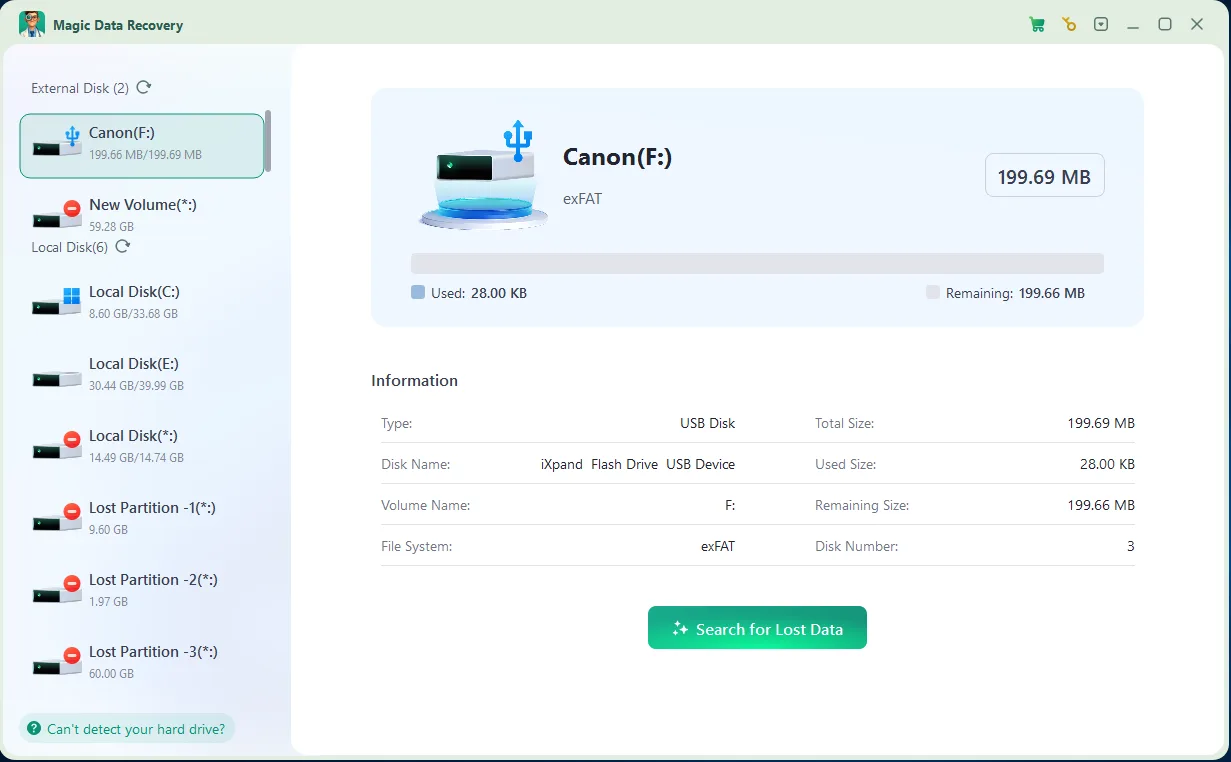
After installation, open Magic Data Recovery. You will see a list of connected drives. Select your SD card from the main interface. Then click Scan to begin the recovery process.
Step 3: Scan the SD Card for Lost or Deleted Files
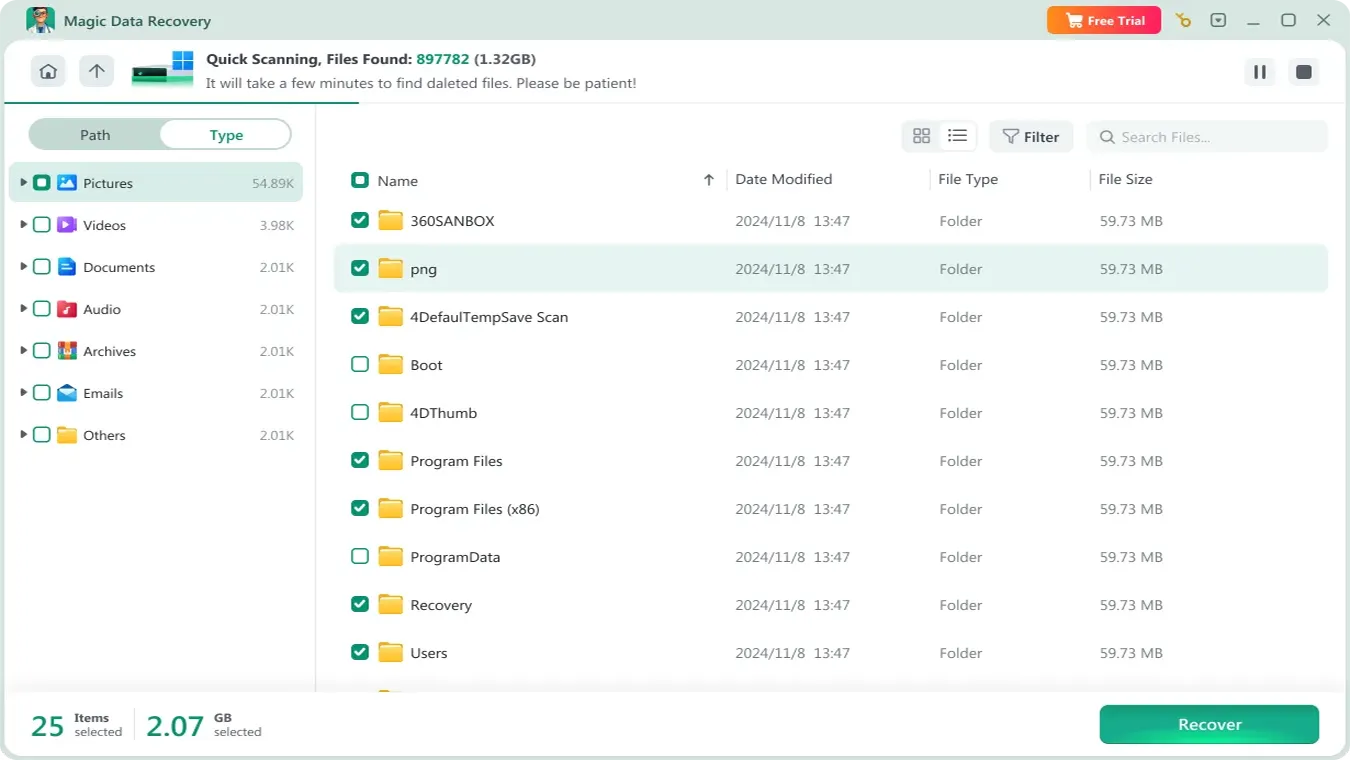
Magic Data Recovery will run an advanced scan and locate recoverable files. During the scan, you can view results in real time. If you see your photos, videos, or documents appearing during the scan, that’s a strong sign that recovery will succeed.
Step 4: Preview Files Before You Recover Them
Once the scan finishes, use the built-in preview feature to check file content. This step is helpful because it allows you to confirm the files are intact before you restore them.

Step 5: Recover Files to a Safe Location
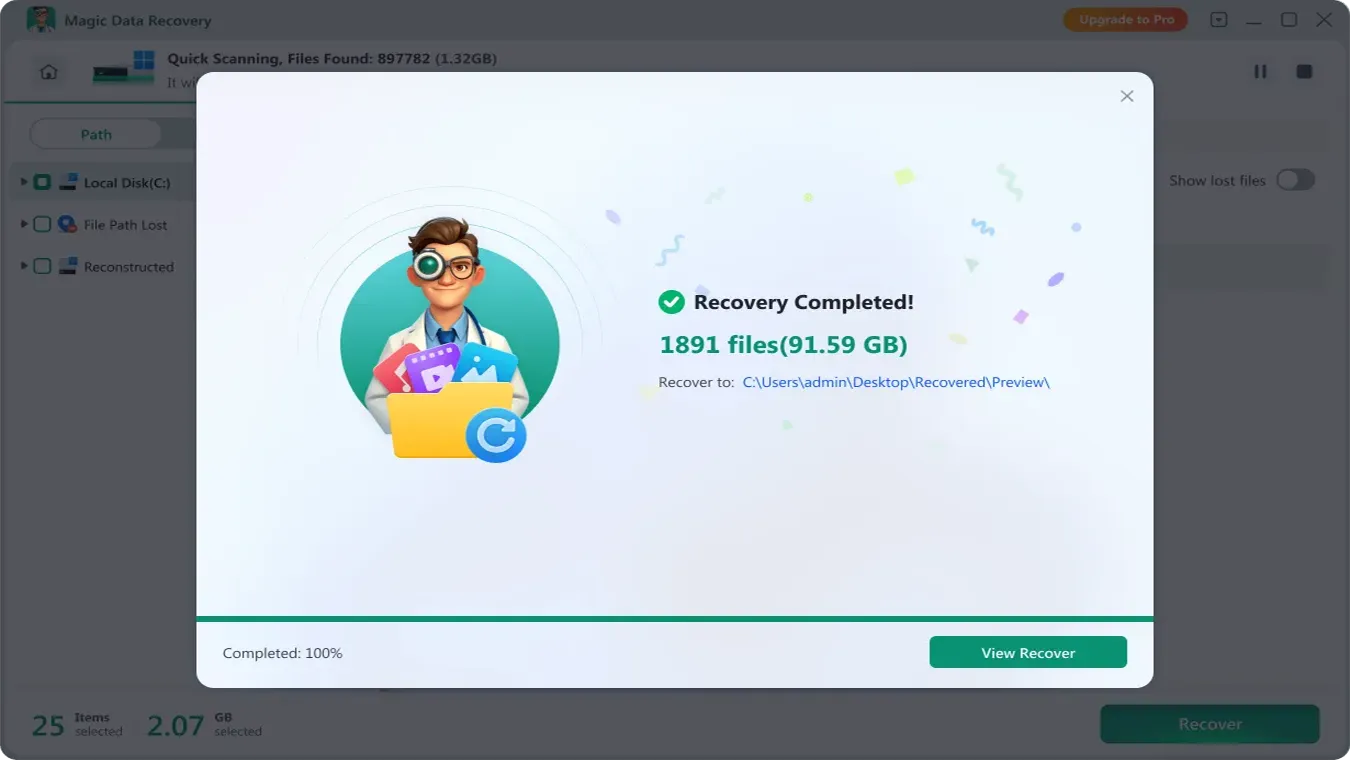
Select the files you want to recover and click Recover. Save the recovered data to a different storage device, such as your computer hard drive, an external SSD, or a USB drive. Never save recovered files back to the same SD card, because doing so can overwrite remaining data.
When You Should Use Professional SD Card Data Recovery Services
Although Magic Data Recovery works well in many situations, some cases require professional support. You should consider a data recovery service if:
- Your computer does not detect the SD card at all
- The SD card has burn marks or electrical damage
- The memory chip is cracked
- The card reader cannot recognize the device on multiple computers
Professional recovery labs use specialized equipment that can repair connectors, rebuild damaged controllers, or extract data directly from the chip.
Best Practices to Prevent SD Card Damage and Data Loss
While recovery tools can help, prevention is always easier. Here are practical ways to protect your SD card in the future.
Handle SD Cards Carefully
Always store SD cards in a protective case. Avoid bending or applying pressure, especially when traveling.
Avoid Water and Extreme Heat
Keep your SD card away from water, humidity, and high temperatures. Even small exposure can cause corrosion over time.
Use a Reliable Card Reader
Cheap card readers can damage SD card connectors. To reduce risk, use a trusted brand and avoid forcing the card into the slot.
Back Up Important Files Regularly
Even a healthy SD card can fail unexpectedly. Therefore, you should back up important photos and documents regularly to cloud storage or an external drive.
Conclusion
If you are dealing with a physically broken SD card, you still have a chance to restore your files. As long as your computer can detect the card, you can often recover your data using the right SD card recovery method.
Magic Data Recovery provides a safe and effective solution for physically broken SD card recovery. It offers advanced scanning, file preview, and an easy recovery process that works for both beginners and professionals. If your SD card is damaged, download Magic Data Recovery today and recover your files before the damage becomes worse.
Supports Windows 7/8/10/11 and Windows Server
FAQ: Physically Broken SD Card Recovery
Can you recover data from a physically broken SD card?
How do I know if my SD card is recoverable?
What should I do if my SD card is not detected?
Is Magic Data Recovery safe?
Can I recover files from a water-damaged SD card?
How long does SD card recovery take?
Why shouldn’t I recover files to the same SD card?

Vasilii is a data recovery specialist with around 10 years of hands-on experience in the field. Throughout his career, he has successfully solved thousands of complex cases involving deleted files, formatted drives, lost partitions, and RAW file systems. His expertise covers both manual recovery methods using professional tools like hex editors and advanced automated solutions with recovery software. Vasilii's mission is to make reliable data recovery knowledge accessible to both IT professionals and everyday users, helping them safeguard their valuable digital assets.