
Data and Protection: A Practical Guide to Modern Data Protection Strategies

In today’s digital world, data and protection are no longer optional topics reserved for IT professionals. From personal photos and work documents to business databases and customer records, data has become one of the most valuable assets we own.
However, data loss incidents are increasing every year. Accidental deletion, system crashes, ransomware attacks, and hardware failures all threaten effective data protection. Many users only realize the importance of data security after critical files are already gone.
This guide explains what data protection really means, why it matters, and how to build a practical protection strategy. More importantly, it also addresses a common real-world problem: what to do when data is lost due to missing or outdated backups—and how reliable recovery tools can help.
Table of Contents
What Is Data Protection?
Data protection refers to the processes, technologies, and policies designed to safeguard data from loss, corruption, or unauthorized access. It covers both prevention and recovery.
In practice, data and protection usually include:
- Preventing unauthorized access
- Ensuring data integrity
- Maintaining availability during failures
- Enabling recovery after data loss
Modern data protection is not about a single tool. Instead, it is a layered approach combining backups, security controls, and recovery solutions.
Why Data and Protection Are Critical for Individuals and Businesses
Personal Data Risks
For individual users, poor data protection can lead to:
- Permanent loss of family photos or videos
- Missing academic or work files
- Privacy leaks from stolen devices
Many people rely on a single device without realizing how fragile local storage can be.
Business Data Risks
For organizations, weak data and protection strategies may cause:
- Financial losses due to downtime
- Legal risks from compliance violations
- Damage to brand reputation
According to industry best practices, data loss prevention should always be paired with a recovery plan.
Common Causes of Data Loss You Should Not Ignore
Understanding real-world causes helps improve data protection decisions.
Accidental Deletion
Human error remains one of the most common causes. Files are deleted unintentionally, and trash folders are emptied without review.
Hardware Failure
Hard drives, SSDs, and USB devices all have limited lifespans. Sudden failures often occur without warning.
System Crashes and OS Errors
Operating system updates, power outages, or corrupted system files may cause data to disappear.
Malware and Ransomware
Even with antivirus software, malware attacks still cause massive data loss worldwide.
These scenarios show why data and protection must include recovery planning, not just prevention.
Best Practices for Data Protection
1. Follow the 3-2-1 Backup Rule
A proven data protection standard:
- 3 copies of your data
- 2 different storage types
- 1 off-site backup
This reduces single-point failure risks.
2. Use Automatic Backups
Manual backups often fail due to inconsistency. Automated backups improve reliability and reduce human error.
3. Encrypt Sensitive Data
Encryption protects data even if devices are lost or stolen.
4. Regularly Test Backup Files
Backups are useless if they cannot be restored. Testing ensures your data and protection plan actually works.
The Hidden Problem: What If You Forgot to Back Up?
Despite best practices, many users still forget to back up data regularly. Others rely on outdated backups that do not include recent files.
Common situations include:
- Files deleted before the next scheduled backup
- External drive not connected during backup
- Backup software misconfigured
At this point, traditional data protection methods no longer help. This is where data recovery becomes essential.
Data Recovery as a Key Part of Data and Protection
Modern data and protection strategies recognize that prevention alone is not enough. Recovery bridges the gap when backups fail.
A reliable recovery solution should:
- Scan storage deeply without overwriting data
- Support common file systems
- Work in accidental deletion scenarios
- Be easy for non-technical users
When Data Is Lost: A Practical Recovery Solution
If you have already lost important files due to missing or outdated backups, a professional recovery tool can often help.
Why Magic Data Recovery Is Worth Considering
Magic Data Recovery fits naturally into a comprehensive data protection strategy because it focuses on real recovery needs rather than marketing claims.
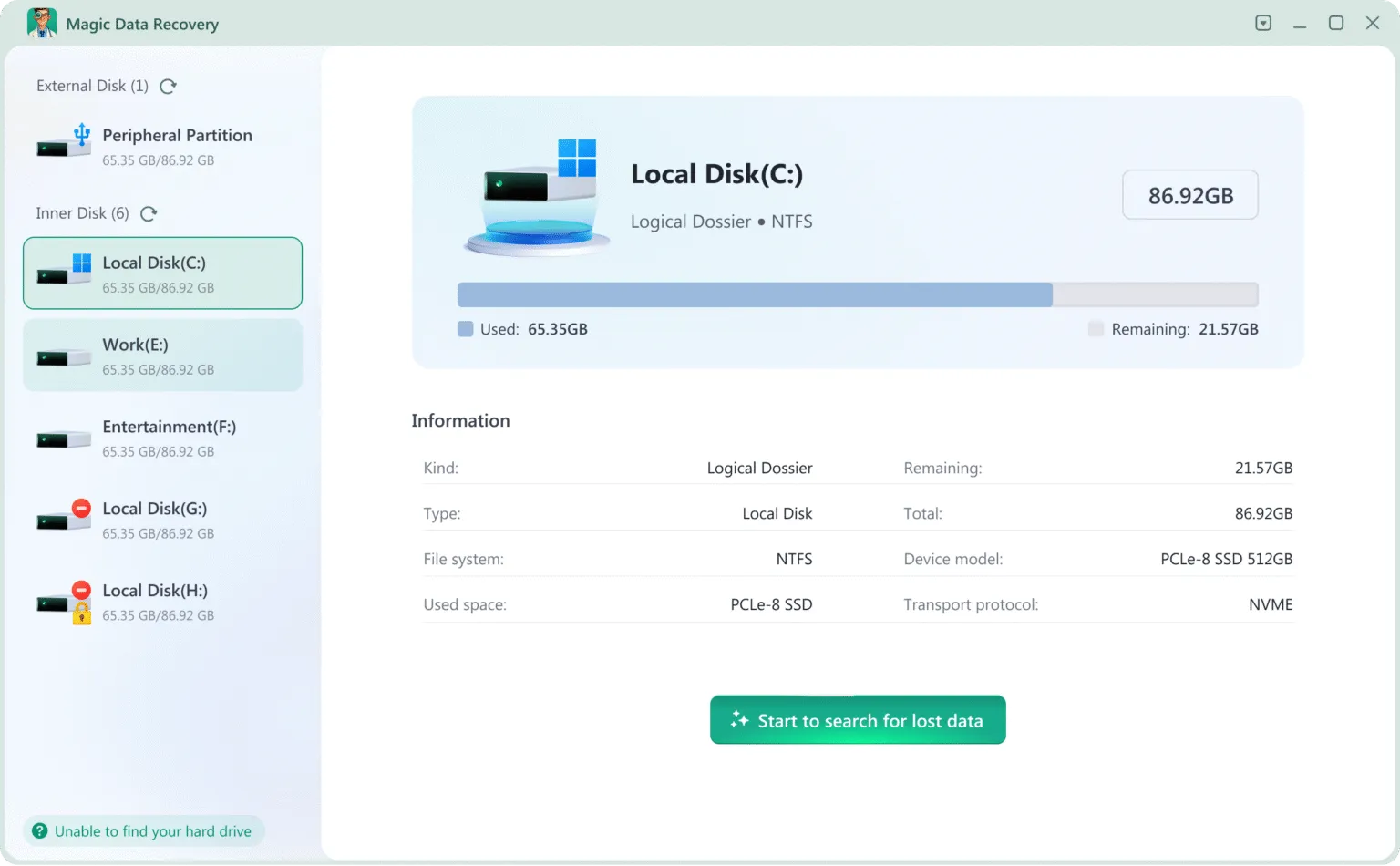
Core Problems It Solves
- Recovering accidentally deleted files
- Restoring data after system crashes
- Retrieving files from formatted drives
- Handling storage devices that still function physically
Key Advantages
- Deep scan technology for higher recovery chances
- Clear preview before recovery
- Support for multiple file types and storage devices
- Simple workflow suitable for everyday users
Typical Use Scenarios
- A user deletes work documents and empties the recycle bin
- Photos disappear after a system update
- A USB drive is formatted by mistake
In these cases, Magic Data Recovery offers a practical second chance when standard data and protection measures fail.
Supports Windows 7/8/10/11 and Windows Server
Why Recovery Tools Are Not a Replacement for Data Protection
It is important to stay realistic. Data recovery should support, not replace, proper data protection.
Best practice combines:
- Preventive backups
- Security controls
- Recovery software as a fallback
This balanced approach aligns with industry recommendations and reduces long-term risk.
How Magic Data Recovery Compares to Other Options
Compared to manual methods or unreliable freeware tools:
- It minimizes the risk of further data damage
- It avoids complex technical steps
- It focuses on controlled, read-only scanning
That reliability makes it a safer choice when data truly matters.
Conclusion
Strong data and protection is not about a single tool or habit. It is about planning for both success and failure.
To summarize:
- Use backups as your first defense
- Understand common data loss scenarios
- Accept that backups sometimes fail
- Prepare a reliable recovery solution
If you are dealing with data loss caused by delayed or missing backups, Magic Data Recovery offers a practical, trustworthy solution to recover what still exists on your storage device.
If you are looking for a more effective way to complete your data protection strategy, trying Magic Data Recovery could be a sensible next step.
Supports Windows 7/8/10/11 and Windows Server
FAQs
What does data and protection mean?
Why is data protection important for personal users?
What are the most common causes of data loss?
Is backup enough for complete data protection?
What should I do if I lost data without a backup?
How does data recovery fit into data protection?
Is Magic Data Recovery safe to use?
Can data protection prevent ransomware attacks?

Jason is a data recovery and technical support specialist with over 15 years of hands-on experience. He has worked extensively with frontline users, troubleshooting difficult data loss cases and providing practical recovery solutions for accidental deletion, formatted drives, damaged file systems, lost partitions, system failures, and other recovery emergencies. His expertise also includes backup and restoration, file repair, and disaster recovery, with a strong emphasis on safe, reliable, and technically accurate guidance.