
Data Loss Prevention Explained
Today, data is one of the most valuable assets for businesses and individuals alike. However, accidental deletion, cyberattacks, hardware failure, and human error still cause serious information loss every day. Even when security rules exist, sensitive files can disappear or be exposed. For this reason, how DLP works has become a core part of modern data security strategies. By understanding what is data loss prevention and how it works in real environments, organizations can reduce risks before damage occurs. At the same time, preventing data loss alone is never perfect. When data loss still happens, a reliable recovery solution is essential.
This guide explains data loss prevention, common risk scenarios, best practices, and how recovery tools support a complete protection strategy.
Table of Contents
What Is Data Loss Prevention?
Data loss prevention (DLP) is a set of technologies, policies, and processes that help detect, monitor, and prevent sensitive data from being lost, leaked, or accessed without authorization.
It is a proactive approach that allows organizations to:
- Identify sensitive data such as personal records, financial files, or intellectual property
- Monitor how data is accessed, shared, and transferred
- Prevent risky actions like copying, emailing, or uploading protected information
For example, a DLP rule may stop an employee from sending confidential documents to a personal email address.
Why Data Loss Prevention Matters for Businesses
As data volumes grow, protecting sensitive data becomes increasingly important for long-term security and compliance.
Key reasons include:
- Financial protection: Data incidents often result in recovery costs, legal fees, and fines
- Regulatory compliance: Regulations such as GDPR and HIPAA require strict data controls
- Brand trust: Customer confidence can decline quickly after a data leak
Therefore, organizations that invest in data loss prevention reduce both operational and reputational risks.
Common Causes of Data Loss Despite Prevention
Although preventive security controls reduce many risks, data loss can still occur.. Understanding these causes helps improve planning.
Common scenarios include:
- Human error, such as accidental deletion or incorrect permissions
- Insider threats, both intentional and unintentional
- Malware, ransomware, and phishing attacks
- Hardware failure involving hard drives or storage devices
- System crashes caused by power outages or software errors
As a result, prevention strategies should always be combined with backup and recovery plans.
Types of DLP Solutions
Different environments require different data loss prevention methods. In practice, many organizations use more than one approach.
Endpoint Data Loss Prevention
Endpoint DLP solutions focus on laptops, desktops, and removable devices. It prevents sensitive data from being copied, printed, or transferred without approval.
Network Data Loss Prevention
Network-based DLP systems monitor data moving across internal networks. It detects suspicious transfers and blocks unauthorized sharing in real time.
Cloud Data Loss Prevention
Cloud DLP tools protect information stored in cloud services. It controls access, sharing, and downloads when employees work remotely.
By combining these solutions, organizations gain broader visibility and control.
DLP vs Backup and Recovery
DLP focus on stopping incidents before they happen. In contrast, backup and recovery deal with restoring data after loss occurs.
Even with advanced prevention controls, unexpected events such as disk failure or accidental deletion still happen. For this reason, recovery tools remain a necessary safety net.
A complete data protection strategy includes:
- Data loss prevention to reduce risk
- Regular data backups to maintain copies
- Recovery solutions to restore lost files
When Data Loss Still Happens: A Practical Recovery Option
Despite strong security policies, real-world incidents still occur. When important files are lost, recovery speed becomes critical.
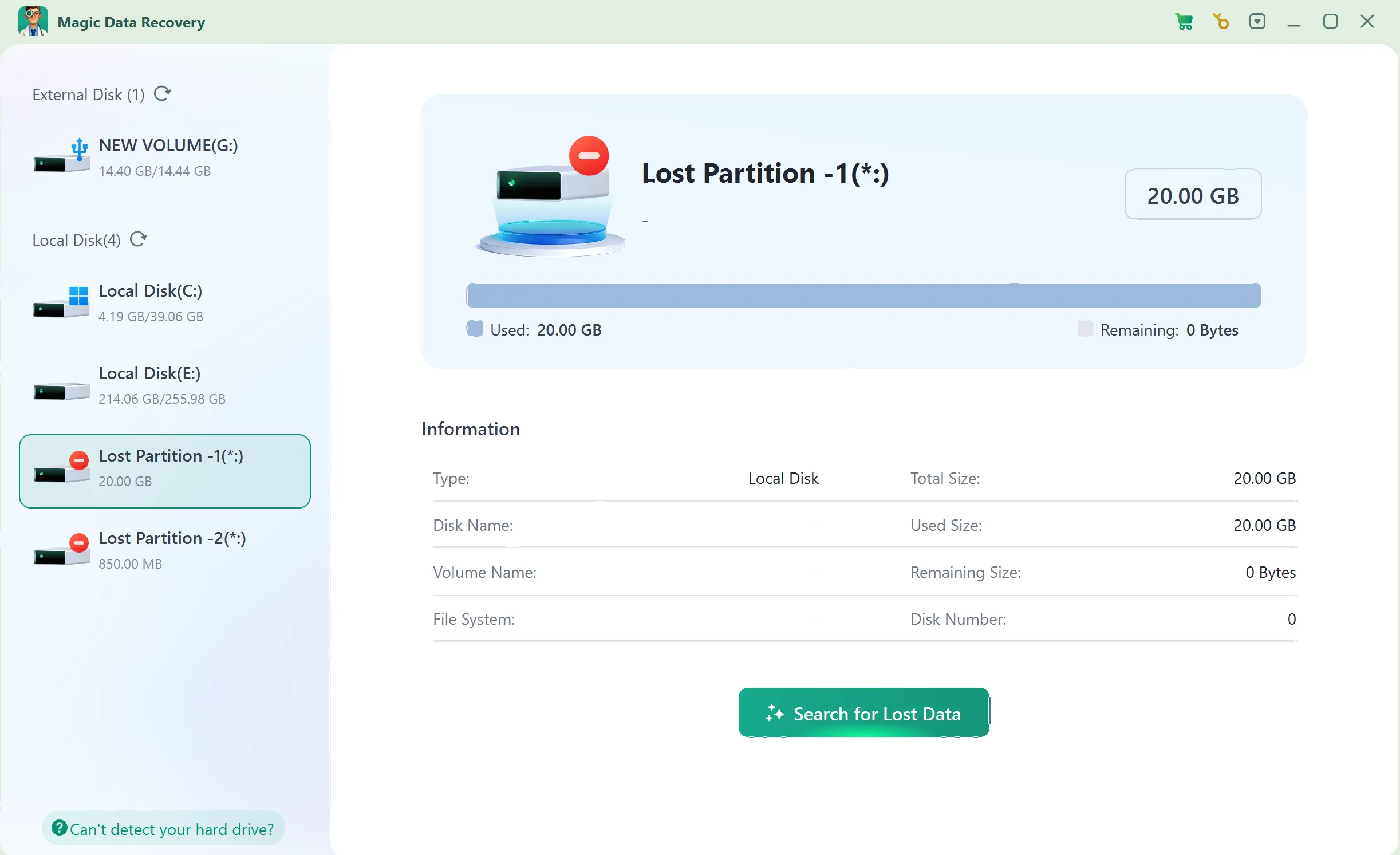
Magic Data Recovery offers a practical solution for retrieving data lost due to accidental deletion, formatting, or storage device damage. It supports common file systems and storage devices, which makes it suitable for everyday business and personal use.
Why Magic Data Recovery Is a Reliable Choice
This tool helps address gaps left by preventive data security measures through:
- Recovery from common data loss scenarios
- A clear and user-friendly interface
- Support for hard drives, SSDs, USB devices, and memory cards
- Dependable results when prevention measures fail
For instance, if an employee deletes key documents before backup completes, Magic Data Recovery can help restore those files efficiently.
Best Practices for a Complete Data Protection Strategy
To strengthen overall data security, organizations should follow proven best practices:
- Classify sensitive data and define access rules clearly
- Train employees on data security awareness
- Combine prevention tools with regular backups
- Test recovery software before emergencies occur
By doing so, teams build a balanced and resilient protection system.
Conclusion
Preventive data security measures are essential for reducing security risks and protecting valuable information. However, prevention alone cannot cover every possible scenario.
By combining data loss prevention with reliable recovery tools, organizations create a more complete and practical data protection strategy. Magic Data Recovery supports this approach by helping users restore important data when prevention measures fall short.
Supports Windows 7/8/10/11 and Windows Server
FAQ
What is DLP used for?
Is data loss prevention only for large organizations?
Can data loss prevention stop all cyberattacks?
What types of data should be protected?
How does data loss prevention work in cloud environments?
What should I do if data is accidentally deleted?
Do I still need data recovery if I already use preventive security tools?

Vasilii is a data recovery specialist with around 10 years of hands-on experience in the field. Throughout his career, he has successfully solved thousands of complex cases involving deleted files, formatted drives, lost partitions, and RAW file systems. His expertise covers both manual recovery methods using professional tools like hex editors and advanced automated solutions with recovery software. Vasilii's mission is to make reliable data recovery knowledge accessible to both IT professionals and everyday users, helping them safeguard their valuable digital assets.