
Preventing Data Loss: Practical Ways to Protect Data
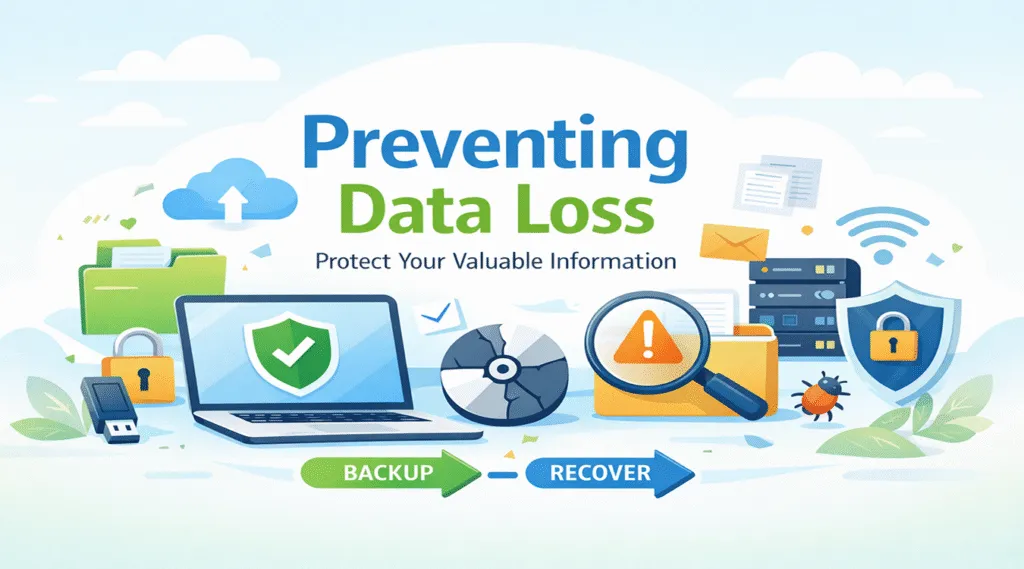
In today’s digital world, data is more than just files on a device. It represents memories, business records, creative work, and critical information. Unfortunately, data loss can happen when you least expect it. A sudden system crash, accidental deletion, or malware attack can wipe out important files in seconds. That is why preventing data loss has become a top priority for both individuals and businesses.
Many users only think about protection after losing valuable data. However, understanding the right ways of preventing data loss can significantly reduce risks and long-term consequences. This guide explains why data loss happens, how to avoid it, and what to do when prevention is not enough—introducing reliable recovery solutions as a final safety net.
Table of Contents
What Is Data Loss and Why Is Preventing Data Loss So Important?
Data loss refers to situations where digital information becomes inaccessible, corrupted, or permanently deleted. This may affect documents, photos, videos, emails, or entire systems. While some data loss incidents are minor, others can cause serious financial and operational damage.
The importance of preventing data loss lies in its impact:
- Loss of irreplaceable personal memories
- Business downtime and productivity loss
- Legal and compliance risks
- Damage to professional reputation
Prevention is always more cost-effective and less stressful than recovery. Still, even the best preventive strategies should be combined with a reliable recovery plan.
Common Causes of Data Loss That Make Preventing Data Loss Essential
Understanding how data loss occurs is the first step toward prevention. Below are the most common causes users encounter in real-world scenarios.
Hardware Failure
Hard drives and storage devices wear out over time. Bad sectors, mechanical damage, or sudden power failure can make data inaccessible without warning.
Human Error
Accidental deletion, formatting the wrong drive, or overwriting files are among the most frequent reasons for data loss. These mistakes often happen during routine tasks.
Malware and Ransomware Attacks
Malicious software can encrypt, corrupt, or delete files. Ransomware attacks, in particular, target both individuals and businesses, locking access to critical data.
Software and System Crashes
Operating system errors, failed updates, or application crashes may lead to file corruption or system instability.
Recognizing these risks helps users adopt effective ways of preventing data loss before problems arise.
Proven Ways of Preventing Data Loss in Daily Use
Below are practical, experience-based strategies that significantly reduce the risk of losing important data. These ways of preventing data loss are suitable for everyday users and professionals alike.
Perform Regular Data Backups
Backups remain the most reliable defense against data loss. Follow the 3-2-1 rule:
- Keep 3 copies of your data
- Store data on 2 different media
- Maintain 1 offsite or cloud backup
Regular backups ensure that even if data loss occurs, recovery is fast and stress-free.
Use Reliable Security Software
A trusted antivirus and anti-malware solution protects systems from threats that can compromise data integrity. Keeping security software updated is equally important.
Keep Systems and Software Updated
Software updates often include critical security patches and bug fixes. Ignoring updates increases vulnerability to crashes and cyberattacks.
Manage User Permissions Carefully
Limiting administrative access reduces accidental deletion or modification of important files, especially in shared or business environments.
Monitor Storage Health
Disk monitoring tools can detect early signs of failure. Addressing issues early helps prevent sudden and irreversible data loss.
These ways of preventing data loss form a strong foundation for long-term data safety.
Preventing Data Loss for Businesses and Professionals
Businesses face higher risks due to large volumes of sensitive data. Effective preventing data loss strategies in professional environments include:
- Automated backup systems
- Secure cloud storage with encryption
- Access control and audit logs
- Employee training on data handling
Industry best practices emphasize combining technical safeguards with clear internal policies. This approach reduces human error while improving accountability and compliance.
What to Do When Data Loss Happens Despite Preventing Data Loss Measures
Even with strong prevention, data loss may still occur. When it does, quick and informed action makes a difference.
First, stop using the affected device immediately. Continued use may overwrite lost data, making recovery harder. Next, avoid unverified recovery tools that could cause further damage. Instead, rely on professional-grade solutions designed to safely scan and restore lost files.
At this stage, data recovery becomes the final layer of protection.
Reliable Data Recovery as a Safety Net When Preventing Data Loss Is Not Enough
While preventing data loss should always be the priority, recovery tools still play a crucial role when prevention fails. A dependable recovery solution allows users to regain access to deleted, formatted, or corrupted data without unnecessary risk.
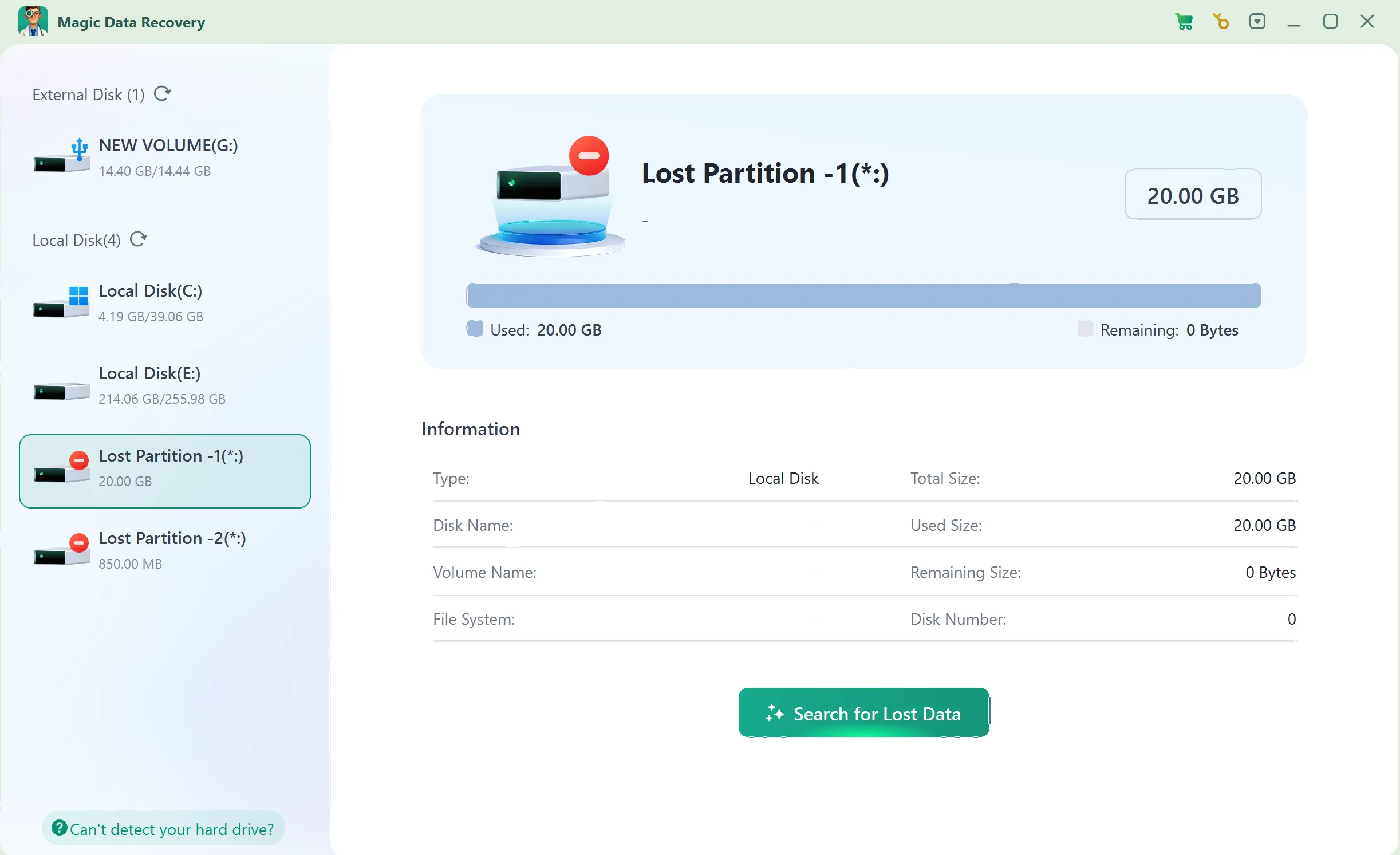
Magic Data Recovery: A Practical Solution When Data Loss Occurs
Magic Data Recovery is designed to address common data loss scenarios faced by everyday users and professionals. It focuses on safe and efficient recovery rather than aggressive or misleading promises.
Key pain points it solves:
- Accidental file deletion
- Disk formatting errors
- System crashes and partition loss
Core advantages include:
- Support for multiple file types and storage devices
- User-friendly interface suitable for non-technical users
- Read-only scanning to minimize further data damage
Typical use cases:
- Recovering deleted work documents after a system crash
- Restoring personal photos from a formatted drive
- Accessing files lost due to software errors
Compared to manual recovery attempts or unreliable tools, Magic Data Recovery offers a more controlled and trustworthy solution. If you are looking for a safer way to recover lost files, you may consider trying Magic Data Recovery from Amagicsoft.
Conclusion
Data safety is not achieved through a single action but through a combination of smart habits and reliable tools. By understanding preventing data loss, applying proven ways of preventing data loss, and preparing for unexpected incidents, users can significantly reduce risks.
Preventive measures protect your data before problems occur. At the same time, recovery solutions provide reassurance when prevention is not enough. This balanced approach explains why tools like Magic Data Recovery are recommended as part of a complete data protection strategy.
Supports Windows 7/8/10/11 and Windows Server
FAQs About Preventing Data Loss
What is the prevention of data loss?
Which ways can data loss be prevented?
What is the best way to protect data from loss?
What are 5 methods of loss prevention?
What are the three types of data loss prevention?

Vasilii is a data recovery specialist with around 10 years of hands-on experience in the field. Throughout his career, he has successfully solved thousands of complex cases involving deleted files, formatted drives, lost partitions, and RAW file systems. His expertise covers both manual recovery methods using professional tools like hex editors and advanced automated solutions with recovery software. Vasilii's mission is to make reliable data recovery knowledge accessible to both IT professionals and everyday users, helping them safeguard their valuable digital assets.