
External SSD File System: Best Formats, Performance, and Compatibility
Choosing the right external SSD file system is one of the most overlooked decisions when using portable solid-state drives. Many users focus on storage capacity or brand but ignore how the file system affects performance, compatibility, and long-term data safety.
In real-world use, an unsuitable file system can lead to slow transfer speeds, unreadable drives across different operating systems, or even unexpected data loss. These problems often surface when an external SSD is used between Windows, macOS, and Linux devices.
This guide explains how an external SSD file system works, compares the most common formats, and shows how to recover data if something goes wrong. If you have ever faced a corrupted drive or accidental formatting, you will also understand why reliable external drive recovery solutions matter.
Table of Contents
What Is an External SSD File System and Why It Matters
An external SSD file system defines how data is stored, organized, and accessed on a portable solid-state drive. It acts as a bridge between the hardware and the operating system, ensuring files can be read, written, and managed correctly.
Unlike internal drives, external SSDs are frequently unplugged, connected to different devices, and used in various environments. Because of this, file system choice directly affects:
- Cross-platform compatibility
- Read and write performance
- Stability during power interruptions
- Risk of file system corruption
Selecting the correct format from the beginning helps avoid many common storage issues.
Common External SSD File Systems Explained
Understanding the strengths and limitations of each file system makes it easier to choose the right option for your needs.
exFAT – Best for Cross-Platform Use
exFAT is one of the most popular file system choices for an external drive, especially for users who switch between operating systems.
Key advantages:
- Compatible with Windows, macOS, and Linux
- Supports large files and high-capacity drives
- Lightweight and easy to manage
Typical use cases:
- External SSDs for video editing
- Portable drives for photographers
- File sharing between different systems
However, exFAT lacks advanced journaling features. As a result, improper ejection can sometimes lead to file system errors.
NTFS – Best for Windows Users
NTFS is the default file system for Windows environments. It is known for reliability and advanced file management features.
Strengths include:
- Strong stability and error handling
- File permissions and encryption support
- Good performance on Windows systems
Limitations:
- macOS can read NTFS but cannot write without third-party drivers
- Less suitable for frequent cross-platform use
For users working exclusively within Windows, NTFS remains a solid choice.
HFS+ – A Legacy macOS File System Still in Use
HFS+ (also known as Mac OS Extended) is an older external SSD file system still found on many existing macOS-formatted drives.
Although newer Macs favor APFS, HFS+ remains common in scenarios such as:
- Older macOS versions
- External SSDs formatted years ago
- Backup drives reused across systems
Challenges with HFS+:
- Limited compatibility with Windows
- Higher risk of corruption after improper disconnection
- Aging structure compared to modern file systems
Many users encounter problems when connecting HFS+ external SSDs to unsupported systems, making data recovery a frequent concern.
ext4 – For Linux Power Users
ext4 is widely used as a file system within Linux environments.
Benefits:
- High performance and stability
- Designed for modern storage devices
Drawbacks:
- Not natively supported by Windows or macOS
- Requires technical knowledge to manage
This format is best suited for Linux-only workflows.
How to Choose the Best External SSD File System
Selecting the right file system depends on how the drive will be used.
Consider the following factors:
- Operating system compatibility: exFAT for mixed systems, NTFS or HFS+ for single-OS use
- File size requirements: exFAT and NTFS handle large files efficiently
- Data security: NTFS offers advanced permissions and encryption
- Portability: exFAT provides the most flexibility
For most general users, exFAT offers the best balance between simplicity and compatibility.
Performance Considerations for an External SSD File System
While hardware plays a major role, the external SSD file system also influences performance.
Important factors include:
- Sequential read and write speeds
- File system overhead
- Support for modern SSD features
In practice, performance differences are noticeable when handling large files or frequent transfers. Choosing a well-supported file system helps maintain consistent speed across devices.
Common Problems with an External SSD File System
Even with the right setup, issues can still occur. Common problems include:
- File system corruption after sudden disconnection
- Accidental formatting
- Drive becoming unreadable on another system
- Partition table damage
These situations often affect older formats such as HFS+ or drives frequently moved between devices.
How to Recover Data from a Corrupted External SSD File System
When an external SSD file system becomes corrupted, quick action is critical.
Recommended steps:
1. Stop using the drive immediately to avoid overwriting data
2. Avoid reformatting unless recovery is impossible
3. Use reliable data recovery software designed for SSDs
Manual fixes often create additional risks. For non-technical users, they may also reduce the chance of successful recovery.
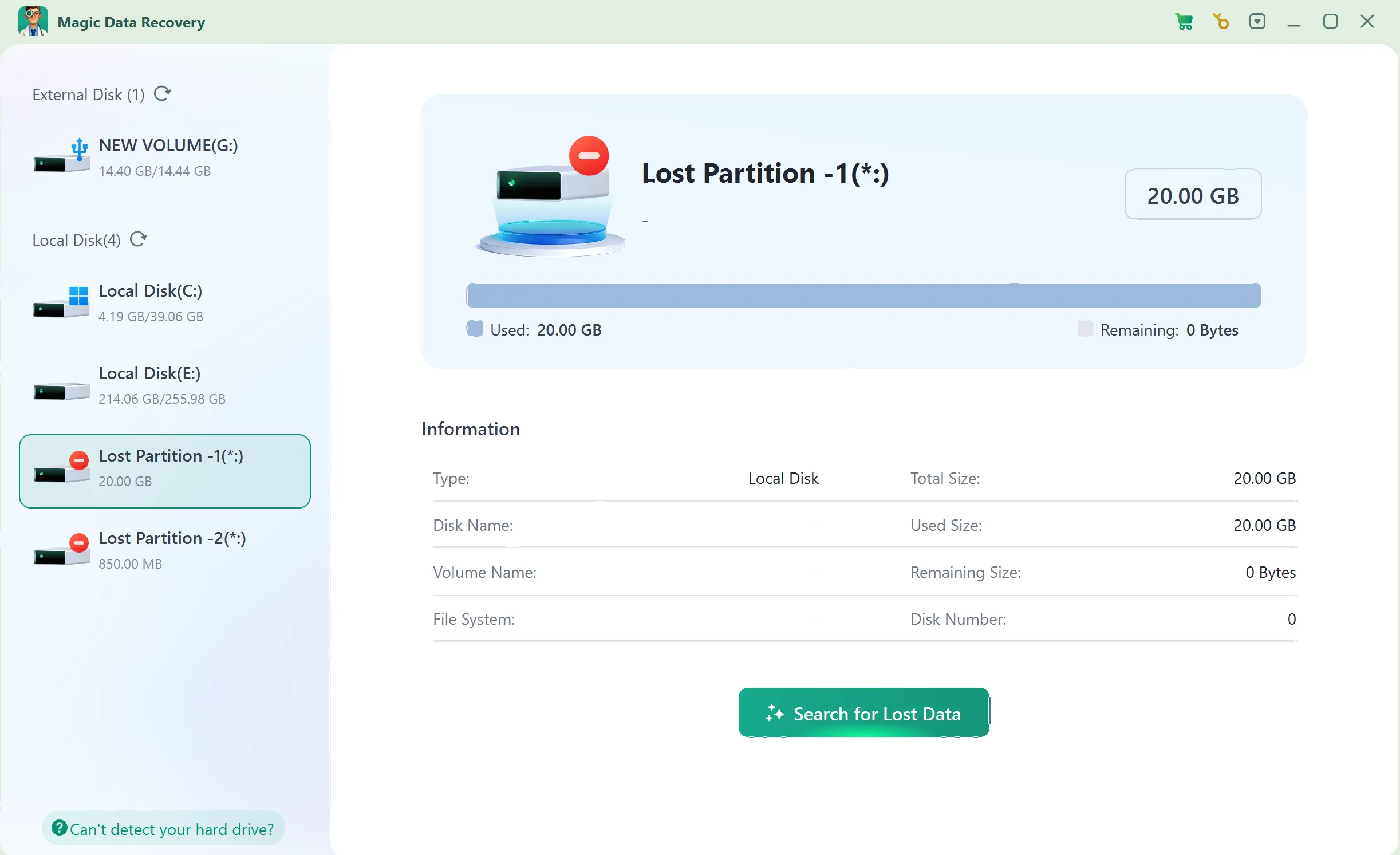
Recommended Tool: Magic Data Recovery
When dealing with file system corruption or accidental formatting, Magic Data Recovery provides a practical solution.
Core problems it solves:
- Recovering data from corrupted external SSD file systems
- Accessing unreadable drives
Key advantages:
- Supports exFAT, NTFS, and HFS+ file systems
- Works reliably with external SSDs
- User-friendly interface suitable for non-experts
Real-world example:
If an HFS+ external SSD becomes unreadable after connecting to a Windows PC, Magic Data Recovery can scan the drive and retrieve accessible files without modifying the original data. Compared to complex manual repair methods, this approach reduces risk and saves time.
Conclusion
Choosing the right external SSD file system improves performance, ensures compatibility, and reduces the risk of data loss. Understanding how each format behaves helps prevent common mistakes before they happen.
When unexpected issues occur, having a trusted recovery solution is equally important. Magic Data Recovery stands out by supporting multiple file systems, including HFS+, and offering a practical way to recover valuable data from external drives. Making informed choices today can save significant time and frustration in the future.
Supports Windows 7/8/10/11 and Windows Server
FAQs About External SSD File System
What file system for external SSD?
Should I format my external SSD to exFAT or NTFS?
How to tell if an external hard drive is FAT32 or NTFS?
Do I need to format a new external SSD?
Is exFAT or NTFS faster?
What file system should I format my SSD to?
Is there a downside to using exFAT?
What is the best format for an external SSD?

Vasilii is a data recovery specialist with around 10 years of hands-on experience in the field. Throughout his career, he has successfully solved thousands of complex cases involving deleted files, formatted drives, lost partitions, and RAW file systems. His expertise covers both manual recovery methods using professional tools like hex editors and advanced automated solutions with recovery software. Vasilii's mission is to make reliable data recovery knowledge accessible to both IT professionals and everyday users, helping them safeguard their valuable digital assets.