
Hard Drive Failure Rates by Brand: Best Guide
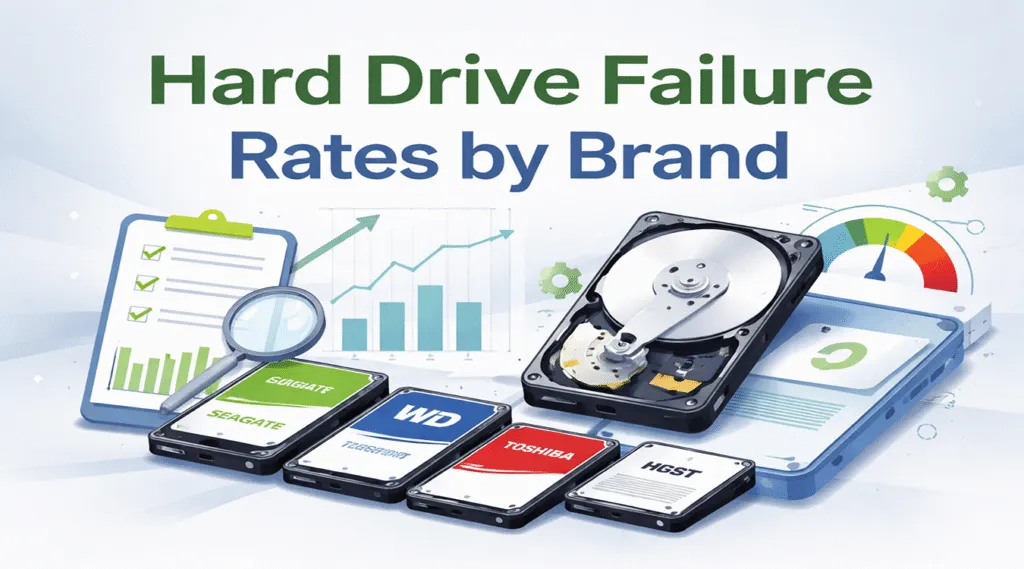
When users choose a hard drive, they often compare price and capacity first. However, hard drive failure rates by brand usually have a much greater impact on long-term data safety. If a drive fails unexpectedly, important files can disappear, and data recovery from the corrupted drive may become difficult.
Therefore, understanding hard drive brand failure rates helps you make better decisions from the start. Moreover, it allows you to reduce risks before problems occur. In this guide, we explain real data, analyze differences between brands, and show how to handle failure effectively. In addition, we introduce a practical recovery solution when things go wrong.
Table of Contents
What Are Hard Drive Failure Rates by Brand?
Hard drive failure rates describe how often drives from a specific manufacturer fail within a given period, usually measured annually. This metric is often called the Annualized Failure Rate (AFR).
For example, a 1% AFR means one drive fails out of 100 per year. In contrast, a higher AFR indicates increased risk. Therefore, comparing hard drive brand failure rates helps users evaluate reliability more clearly.
However, these numbers do not exist in isolation. Instead, they depend on usage conditions, workload, and drive type. As a result, interpreting them correctly becomes essential.
Latest Hard Drive Failure Rates by Brand (Real Comparison)
Backblaze Data Overview
To understand hard drive failure rates, many experts rely on Backblaze reports. These reports analyze thousands of drives in real-world environments. Therefore, they provide more practical insights than controlled lab tests.
Additionally, the data reveals several important patterns. First, failure rates vary by model, not just brand. Second, enterprise drives tend to last longer. Finally, environmental conditions strongly influence outcomes. Consequently, users should combine data with real usage context.
Failure Rates by Brand
Below is a simplified comparison of hard drive brand failure rates:
Brand | Typical Failure Rate | Reliability |
HGST (WD) | ~1% or lower | Very High |
Western Digital | 1–2% | High |
Toshiba | 1–2% | Stable |
Seagate | 2–5% (varies) | Moderate |
Clearly, hard drive failure rates by brand differ significantly. While HGST and WD show consistent performance, Seagate varies more depending on the model. Therefore, choosing the right series becomes just as important as choosing the brand.
Which Brand Has the Lowest Hard Drive Failure Rates?
If you want a quick answer, the conclusion becomes straightforward. HGST consistently shows the lowest hard drive failure rates. Meanwhile, WD and Toshiba maintain stable performance across most models.
On the other hand, Seagate displays more variability. However, this does not mean all Seagate drives perform poorly. Instead, it means model selection matters more. Therefore, users should always evaluate both brand and model together.
Why Do Hard Drive Failure Rates by Brand Differ?
Understanding why hard drive failure rates vary allows you to reduce risks more effectively. Moreover, it helps you avoid common mistakes when selecting a drive.
Manufacturing Quality Differences
Different manufacturers follow different production standards. For instance, some brands apply stricter testing processes. As a result, their drives often achieve lower failure rates.
Meanwhile, budget-oriented models may use less durable components. Consequently, hard drive brand failure rates increase in those cases. Therefore, price often reflects reliability.
Workload and Usage Conditions
Usage conditions strongly affect performance. For example, drives operating 24/7 experience more wear. In addition, high temperatures accelerate component degradation.
Furthermore, frequent read/write operations increase stress. Therefore, even drives with low hard drive failure rates by brand may fail earlier under heavy workloads.
Firmware and Design Factors
Firmware issues can also influence reliability. In some cases, specific models experience higher failure rates due to design flaws.
However, manufacturers often release updates to address these issues. As a result, hard drive failure rates by brand may change over time. Therefore, staying updated with recent data becomes essential.
How to Reduce Risk Based on Hard Drive Failure Rates by Brand
Fortunately, users can reduce risks by following several practical strategies. Moreover, these steps significantly improve long-term reliability.
Essential Tips
- Make backups regularly
- Monitor SMART health indicators
- Keep drives cool and well-ventilated
- Avoid sudden power interruptions
- Replace aging drives proactively
In addition, selecting brands with lower hard drive failure rates improves overall data safety.
What to Do When Facing High Hard Drive Failure Rates by Brand
When a drive begins to fail, immediate action becomes critical. Otherwise, data loss may worsen quickly.
Warning Signs
- Clicking or unusual noises
- Slow system performance
- File corruption or missing data
- Corrupted partitions
Immediate Actions
First, stop using the drive immediately. Next, avoid writing new data. Then, do not rely on unstable repair tools.
Instead, focus on safe corrupted drive recovery methods. This approach prevents further damage and increases recovery success.
Best Solution for Data Loss Caused by Hard Drive Failure Rates by Brand
When failure occurs, traditional tools often fail because they depend on intact file systems. However, advanced recovery solutions work differently.
Why Magic Data Recovery Works
Magic Data Recovery directly addresses problems caused by hard drive failure rates by brand. Instead of relying on file system structures, it scans raw disk sectors.
Key Advantages
- Deep scan that detects lost data beyond damaged structures
- Recovery from RAW or corrupted drives
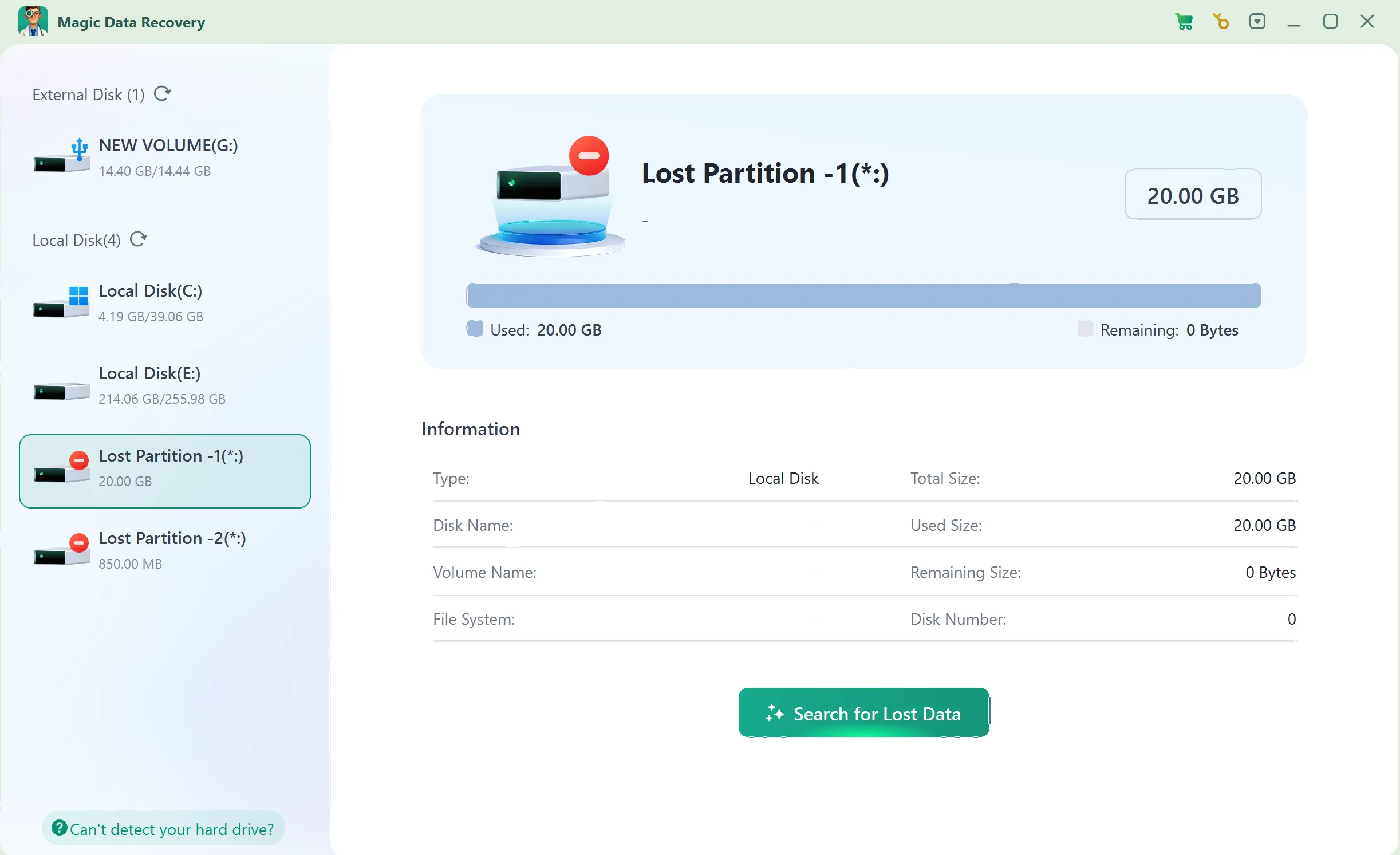
- Detection of lost or hidden partitions
- Preview function to verify files before recovery
Practical Use Case
For example, a user may lose access to files due to high hard drive brand failure rates. In this situation, standard tools may fail. However, Magic Data Recovery can still locate recoverable data and restore access efficiently.
Why It Is More Reliable
Unlike basic tools, this solution does not depend on file system integrity. Moreover, it minimizes further risks. Therefore, it provides a safer approach when dealing with severe failures.
If you are facing data loss caused by hard drive failure rates by brand, this method offers a practical and reliable solution.
HDD vs SSD: Impact on Hard Drive Failure Rates by Brand
Many users compare HDDs and SSDs when evaluating reliability. However, both technologies present different risks.
Key Differences
- HDDs use mechanical components, which wear over time
- SSDs rely on flash memory, which degrades with usage
Although SSDs avoid mechanical failure, they still face data loss risks. Therefore, understanding hard drive failure rates by brand remains important when selecting HDDs.
Conclusion
In conclusion, hard drive failure rates by brand provide valuable insights into reliability. While HGST and WD often perform better, no drive guarantees zero failure.
Therefore, users should combine brand selection with proper usage habits. In addition, regular backups remain essential.
Most importantly, when failure occurs, quick action improves recovery success. Magic Data Recovery stands out because it can recover data even from damaged drives. As a result, it becomes a reliable solution when standard methods fail.
Supports Windows 7/8/10/11 and Windows Server
FAQ
Which brand has the highest hard drive failure rate?
Failure rates vary by model rather than brand alone. However, some Seagate models have shown higher variability in past reports. Still, newer models may perform better. Therefore, checking updated data and model-specific reviews remains essential before making a decision.
What is a normal hard drive failure rate?
A typical hard drive failure rate ranges from 1% to 3% annually. Lower rates indicate better reliability, especially for enterprise-grade drives. However, real-world conditions such as heat, workload, and usage patterns can significantly influence these numbers over time.
Are WD drives more reliable than Seagate?
In many cases, WD drives show more consistent reliability across models. However, Seagate also offers reliable options depending on the series. Therefore, comparing specific models rather than relying only on brand reputation provides more accurate insights.
How long do hard drives usually last?
Most hard drives last between three and five years under normal conditions. However, proper cooling, moderate workloads, and regular monitoring can extend lifespan. Therefore, maintenance plays a critical role in reducing failure risks.
Can data be recovered after hard drive failure?
Yes, data recovery is often possible even after failure. Advanced recovery tools can scan raw disk sectors and retrieve files. However, success depends on the severity of damage. Therefore, acting quickly increases the chances of successful recovery.
Does usage affect hard drive failure rates?
Yes, usage conditions strongly affect failure rates. Continuous operation, high temperatures, and heavy workloads accelerate wear. Therefore, even reliable drives may fail sooner under extreme conditions. Proper usage helps extend drive lifespan.
Should I replace a hard drive before it fails?
Yes, proactive replacement reduces the risk of sudden failure. Monitoring SMART data and watching for performance issues can help identify early warning signs. Therefore, replacing aging drives in advance helps protect important data and avoid unexpected loss.

Vasilii is a data recovery specialist with around 10 years of hands-on experience in the field. Throughout his career, he has successfully solved thousands of complex cases involving deleted files, formatted drives, lost partitions, and RAW file systems. His expertise covers both manual recovery methods using professional tools like hex editors and advanced automated solutions with recovery software. Vasilii's mission is to make reliable data recovery knowledge accessible to both IT professionals and everyday users, helping them safeguard their valuable digital assets.