Table of Contents Definition An HDD (Hard Disk Drive) is a magnetic storage device that holds data on spinning platters. It has been used for decades due to its large capacity, stable performance, and affordability. Even though modern systems increasingly adopt solid-state drives, this traditional storage option remains valuable in many everyday and professional scenarios. […]
HDD Bad Sector
An HDD bad sector refers to a small storage block on a hard disk drive that can no longer store or read data correctly. When your system encounters this issue, files may become inaccessible, the disk may slow down, and in severe cases, Windows may freeze or display read errors. Although this problem is common […]
HDD Recovery Software: Restore Lost Files Safely
Losing important files from a hard drive can cause stress, but modern HDD Recovery Software makes restoration safe and achievable. With the right tool and correct steps, most deleted or inaccessible data can be recovered efficiently without damaging the drive. Table of Contents What Is HDD Recovery Software? HDD recovery software is a specialized tool […]
Full Backup vs Incremental and Differential Backup
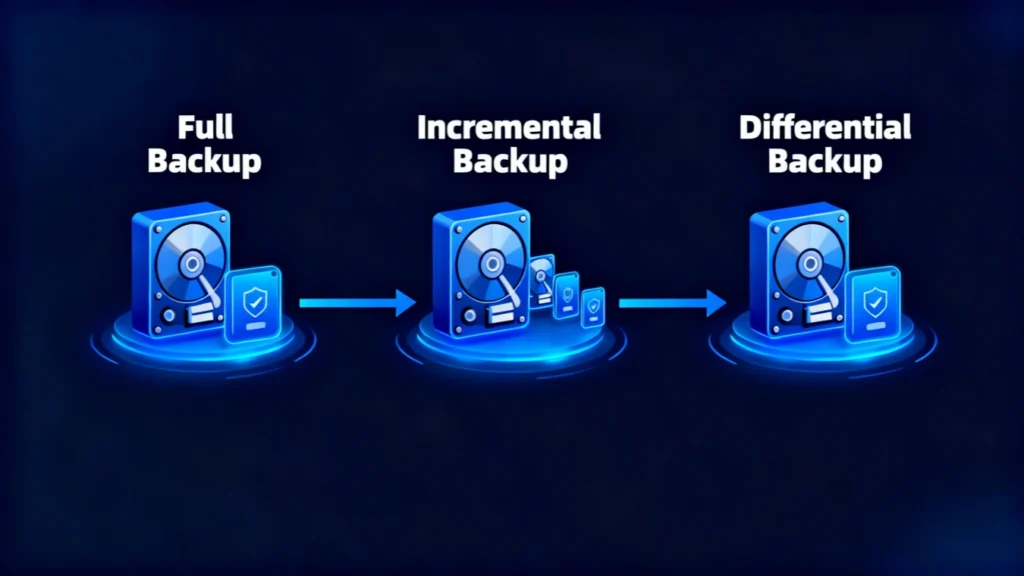
A Full Backup is a complete copy of all your files, folders, and system data created at a specific point in time. It ensures that every file can be recoverd without depending on previous backups. This makes it the most reliable form of backup but also the most storage-intensive. Unlike incremental or differential backups, which […]
How to Fix Index Corruption for NTFS Drives
Index Corruption occurs when the internal file index structure of an NTFS partition becomes damaged or unreadable. This index (also known as the directory index) keeps track of file names and locations. When corrupted, Windows may show errors like “The file or directory is corrupt and unreadable” or “Cannot access drive.” The corruption usually affects […]
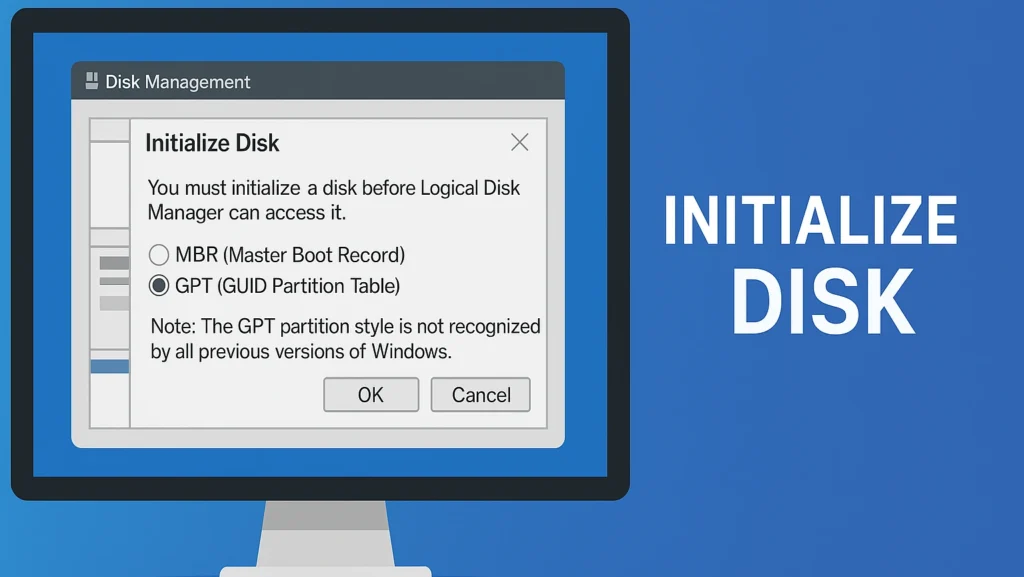
Initialize Disk Error and Safe Fix Guide
“Initialize Disk” refers to the process of preparing a new or corrupted hard drive for use by assigning a partition table—either MBR (Master Boot Record) or GPT (GUID Partition Table). This process helps your operating system recognize the drive, allowing you to create volumes and store data. When a system displays an error “no initialized”, it […]
GPT (GUID Partition Table)
GPT (GUID Partition Table) is a modern disk partitioning standard that replaces the legacy MBR (Master Boot Record) system. It defines how partitions and data are structured on a storage device—such as SSDs or HDDs—providing greater reliability and flexibility for today’s operating systems. Unlike MBR, which typically supports disks up to about 2TB when using […]
Folder Access Denied Error Solutions
A Folder Access Denied error occurs when Windows or other operating systems prevent you from opening, modifying, or deleting a folder due to permission issues, encryption settings, or system restrictions. This is common in NTFS-formatted drives and shared network folders. It is not a sign of permanent data loss. Table of Contents How the Folder […]
What is iSCSI Initiator and How Does it Work?
The iSCSI Initiator is a software or hardware component that allows a computer to connect to iSCSI Targets, which are remote storage devices, using the Internet Small Computer System Interface (iSCSI) protocol over a network. By using TCP/IP, this storage protocol enables block-level access to remote storage, making it suitable for storage area networks (SANs) […]