
How to Recover Files That Were Deleted: A Complete Guide
Accidentally deleting important files is a situation almost every computer user encounters. Files may disappear after a cleanup, vanish from an external hard drive, or seem lost forever once users empty the Recycle Bin. Because of this, many people search for how to recover files that were deleted as soon as data loss occurs.
Fortunately, it is still possible to recover deleted files. In many cases, they remain on the storage device until new data overwrites them. Therefore, understanding how deletion works and knowing the correct recovery approach greatly improves success rates. This guide explains how to recover files that were deleted across common scenarios, using clear explanations and practical steps rather than guesswork.
Supports Windows 7/8/10/11 and Windows Server
Wondering if your files can be recovered? Find out in seconds with our quick check below.
Data Recovery Assessment
Answer 3 quick questions to estimate your recovery chances
Table of Contents
What Happens When Files Are Deleted and Why Recovery Is Possible
Before learning how to recover files that were deleted, it is important to understand what deletion actually means.
When you delete a file on Windows:
- The system removes the file reference from the file table
- The storage space becomes available for reuse
- The actual file data remains until it is overwritten
As a result, deleted files often remain recoverable for a period of time. However, continued disk activity increases the risk of overwriting the data. Therefore, quick action plays a critical role in successful recovery.
Key Factors That Affect File Recovery Success
Several conditions influence whether you can restore deleted files:
- How much time has passed since deletion
- Whether you have written new data to the drive
- The type of storage device (HDD or SSD)
- Whether the SSD enabled TRIM
By understanding these factors, users can choose more effective recovery methods instead of relying on trial and error.
How to Recover Files That Were Deleted from the Recycle Bin
The simplest scenario occurs when users recently deleted files and are still stored in the Recycle Bin.
Steps to Restore Deleted Files from the Recycle Bin
1. Open the Recycle Bin from the desktop
2. Locate the deleted files
3. Right-click and choose Restore
This method immediately returns files to their original location. However, it only works if users haven’t emptied the Recycle Bin.
How to Recover Files That Were Deleted After Emptying the Recycle Bin
Once the Recycle Bin is emptied, files no longer appear in the system interface. At this stage, many users assume recovery is impossible. In reality, the data often still exists on the drive until overwritten.
Built-in tools such as File History or Previous Versions may help only if you enabled backups in advance. Consequently, many users turn to more advanced recovery methods when system options fail.
How to Recover Files That Were Deleted from an External Hard Drive
External hard drives are widely used for backups and large files. Unfortunately, accidental deletion or formatting is also common.
To improve recovery chances:
- Stop using the external drive immediately
- Avoid copying or saving new files to it
- Use recovery methods that perform read-only scans
These precautions help preserve deleted data until the recovery process begins.
Why Dedicated Software Is Often the Best Way to Recover Deleted Files
Many users first attempt system-based recovery options. While these tools can help in limited cases, they also have significant limitations.
Limitations of Built-In Recovery Methods
- Backups must be enabled beforehand
- Recovery scope is restricted
- File system damage is rarely addressed
In contrast, professional recovery software scans storage devices at a deeper level. It identifies deleted file structures and reconstructs recoverable data using file metadata and signatures. Therefore, for users researching how to recover files that were deleted, dedicated software often provides more consistent results.
How to Recover Files That Were Deleted Using Magic Data Recovery
When files are no longer accessible through system tools, Magic Data Recovery offers a structured and user-friendly solution. The following steps reflect common real-world recovery scenarios.
Step 1: Download and Install Magic Data Recovery Safely
Download Magic Data Recovery and install it on a drive different from the one where deleted files located. This approach reduces the risk of overwriting recoverable data.
Supports Windows 7/8/10/11 and Windows Server
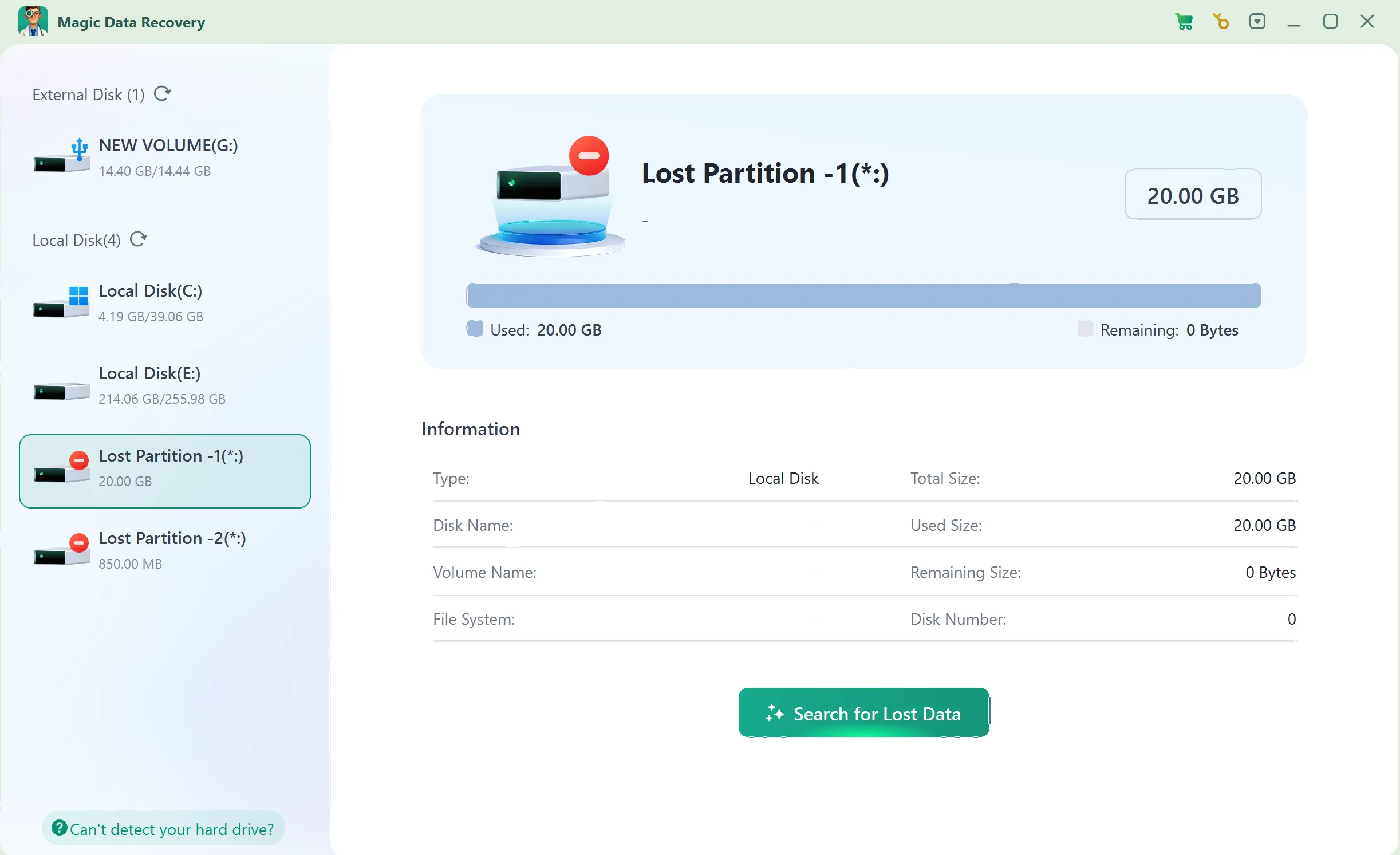
Step 2: Select the Drive to Scan for Deleted Files
Launch the program and select the drive or partition where lost files located. At this stage, the software reads disk information without modifying existing data.
Step 3: Scan the Drive to Locate Deleted Files
Magic Data Recovery automatically performs an advanced scan. Meanwhile, recoverable files appear gradually as the scan progresses.
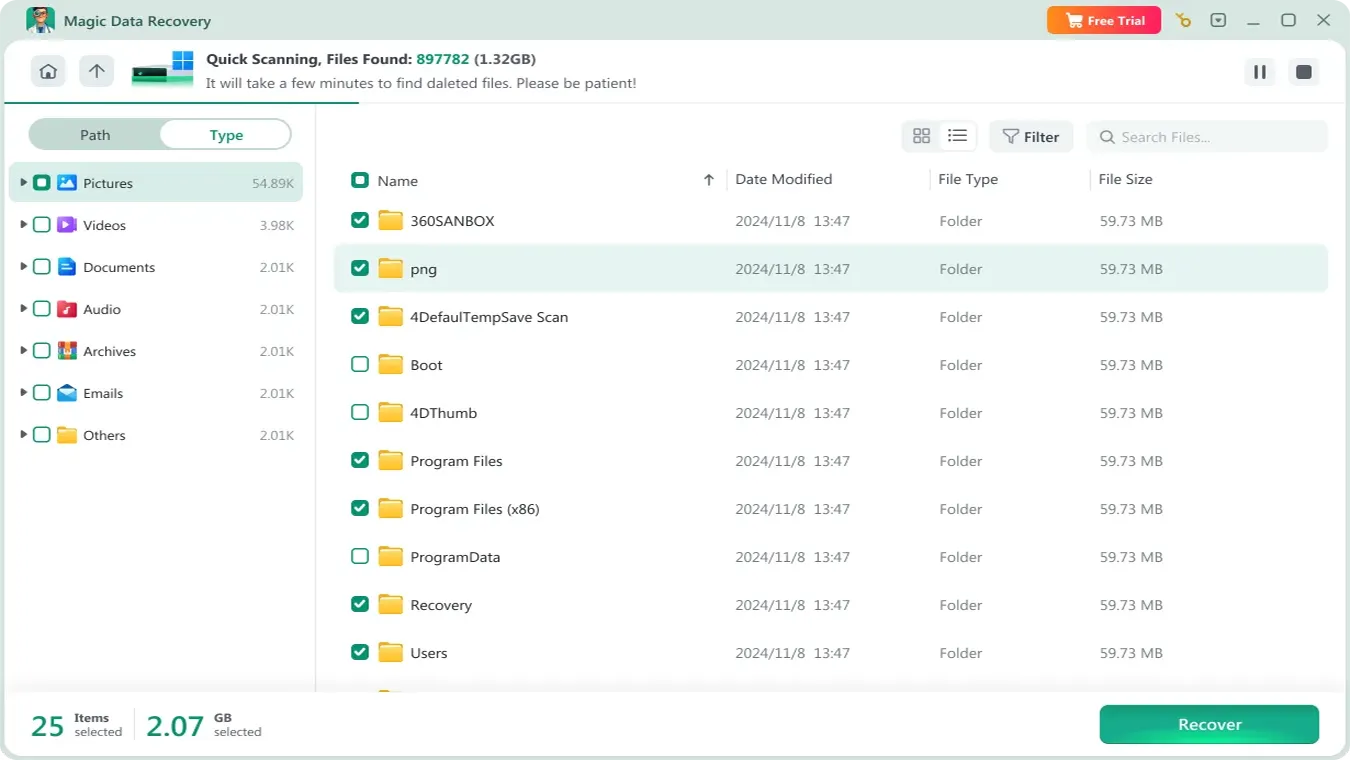
Step 4: Preview Deleted Files Before Recovery
Use the preview feature to confirm file content and integrity. As a result, you can select only the files you truly need.

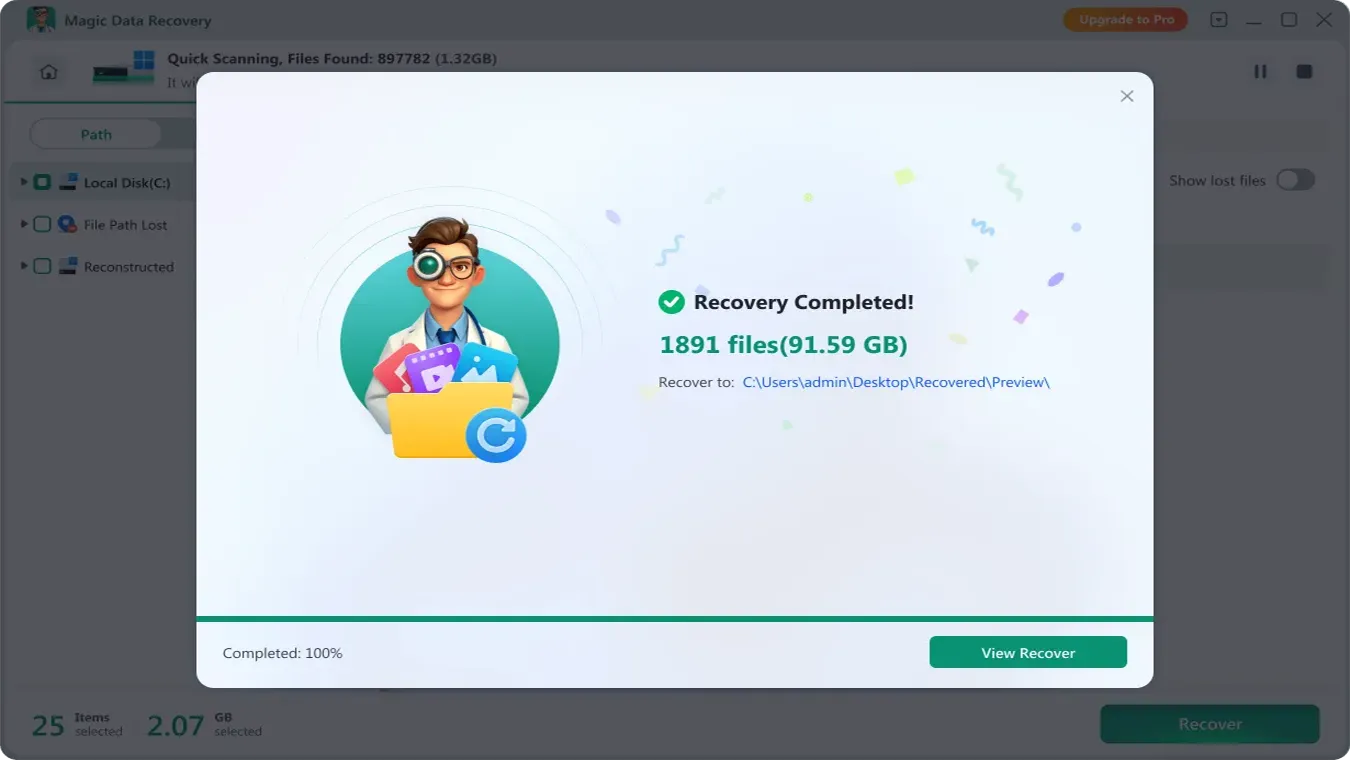
Step 5: Recover Files to a Safe Location
Choose a different drive or storage device to save recovered files. Otherwise, restoring data to the same location may overwrite additional recoverable files.
Common Mistakes That Reduce File Recovery Success
Even with proper tools, recovery may fail if certain mistakes are made:
- Installing recovery software on the affected drive
- Continuing to use the drive heavily after deletion
- Recovering files to the original storage location
Avoiding these mistakes significantly increases the chance of successful recovery.
Conclusion
Understanding how to recover files that were deleted helps users respond calmly and effectively to data loss. While basic recovery methods work in simple situations, permanently deleted files require deeper recovery approaches.
By acting quickly, avoiding common mistakes, and choosing reliable deleted file recovery methods, users can greatly improve recovery outcomes. When system tools are no longer sufficient, dedicated recovery software provides a practical and dependable alternative.
Supports Windows 7/8/10/11 and Windows Server
FAQ – How to Recover Files That Were Deleted
How to recover permanently deleted files?
Can you actually recover deleted files?
How can I retrieve recently deleted files?
Where are permanently deleted files stored?
Are permanently deleted files gone forever?
How to recover permanently deleted files not in the Recycle Bin?
What tools recover deleted files?
Is anything ever truly deleted?

Vasilii is a data recovery specialist with around 10 years of hands-on experience in the field. Throughout his career, he has successfully solved thousands of complex cases involving deleted files, formatted drives, lost partitions, and RAW file systems. His expertise covers both manual recovery methods using professional tools like hex editors and advanced automated solutions with recovery software. Vasilii's mission is to make reliable data recovery knowledge accessible to both IT professionals and everyday users, helping them safeguard their valuable digital assets.