
MiniTool Power Data Recovery Guide
Losing files is stressful, especially when they disappear after deletion, formatting, a RAW drive error, or a failed transfer. Many users search for minitool power data recovery because they want a practical way to get photos, documents, videos, and work files back without sending the drive to a lab.
This guide explains what minitool power data does, when tools like minitool power may help, and what you should do before scanning a damaged drive. More importantly, it compares common recovery methods and explains why Magic Data Recovery can be a clearer, safer, and more beginner-friendly solution for deleted, formatted, and file-system-error data loss.
Supports Windows 7/8/10/11 and Windows Server
Table of Contents
What Is MiniTool Power Data Recovery?
MiniTool Power Data Recovery is a Windows data recovery program designed to scan storage devices and find recoverable files. Users often choose it when they lose data from internal hard drives, external drives, USB flash drives, SD cards, or other common storage media.
In simple terms, recovery software works by scanning the storage device for remaining file records or file signatures. When a file gets deleted, Windows usually removes the reference to that file instead of instantly wiping every data block. Therefore, recovery may still be possible if new data has not overwritten the lost file.
However, data recovery is time-sensitive. The longer you keep using the affected drive, the higher the risk of overwriting recoverable data.
Common Reasons Users Search for MiniTool Power Data Recovery
People do not usually look for minitool power data recovery out of curiosity. They search for it because something has already gone wrong. The most common situations include:
- Deleted files that are no longer in the Recycle Bin
- Shift + Delete permanent deletion
- Accidentally formatted USB drives or external hard drives
- Partitions that suddenly turn RAW
- File system errors that make folders inaccessible
- Lost photos from SD cards
- Missing documents after a crash or failed transfer
- Drives asking to be formatted before use
These scenarios often look different on the surface, but many of them share the same technical problem: the operating system can no longer find the file path, partition record, or file system structure properly.
MiniTool Power Data Recovery vs Manual Recovery Methods
Before using minitool power data recovery, many users try manual fixes. Some of them are useful, but others can make recovery harder.
Check the Recycle Bin First
If you deleted files normally, the Recycle Bin should be your first stop. This method is safe and fast. However, it will not help if you used Shift + Delete, emptied the Recycle Bin, deleted files from a USB drive, or lost files after formatting.
Restore From Backup
File History, Windows Backup, OneDrive, Google Drive, and external backup drives can help if you had backup protection enabled before the loss. This is the safest recovery method because it does not scan damaged storage.
Still, many users discover the problem only after realizing that no backup exists or that the backup version is outdated.
Avoid CHKDSK Before Recovery
CHKDSK can repair file system problems, but it may also change disk structures. If the drive contains valuable lost data, recover files first and repair the drive later. This is a common best practice in logical data recovery.
Use Recovery Software When Manual Options Fail
When the Recycle Bin and backups do not help, software such as MiniTool Power Data Recovery or Magic Data Recovery becomes relevant. A proper tool can scan the device, preview found files, and recover selected items to another safe location.
When MiniTool Power Data Recovery 8 May Help
Some users still search for minitool power data recovery 8 because they used an older version or found an older tutorial online. Older recovery tools may still scan deleted files, but they may not offer the same compatibility, interface improvements, or file-type support as newer solutions.
If you are using an older version, consider these points:
- It may not fully support newer Windows versions.
- It may have limited support for newer storage devices.
- It may miss some file types or fragmented files.
- It may not provide the smoothest preview experience.
- It may not receive the same security or stability updates.
Therefore, while minitool power data recovery 8 may still appear in search results, users should carefully compare it with modern recovery software before scanning important storage.
Is MiniTool Power Data Recovery Portable a Good Idea?
Searches for minitool power data recovery portable usually come from users who want to avoid installing software on the affected drive. That instinct is correct. Installing any program on the same partition where data was lost may overwrite recoverable files.
However, portable tools also carry risks:
- Unofficial portable versions may be modified.
- Some downloads may contain unwanted software.
- Old portable builds may lack updates.
- A portable app still needs a safe recovery destination.
If you want a safer workflow, install a trusted recovery tool on a different drive or use another computer. Then connect the affected storage device and scan it without writing new data to it.
Why Data Recovery Works After Deletion or Formatting
To choose the right tool, you need to understand what really happens after data loss.
When you delete a file, the system usually marks its occupied space as available. The actual content may remain there until new data overwrites it. Similarly, a quick format often rebuilds file system records but may leave old data blocks behind.
That is why acting quickly matters. After data loss, stop using the affected drive. Do not install apps, download files, copy movies, or run disk repair tools on that drive. Then scan it with recovery software and save recovered files to a different location.
Recommended Alternative: Magic Data Recovery
Although minitool power data recovery is a known recovery option, Magic Data Recovery is a strong choice for users who want a clearer and more practical workflow. It focuses on solving real recovery problems instead of overwhelming users with technical details.
Magic Data Recovery supports common loss scenarios, including deleted files, formatted drives, lost partitions, file system errors, and inaccessible storage devices. It works with hard drives, SSDs, USB flash drives, memory cards, and external drives.
Supports Windows 7/8/10/11 and Windows Server
Core Pain Points Magic Data Recovery Solves
Magic Data Recovery is useful when you need to:
- Recover deleted documents after emptying the Recycle Bin
- Restore files from a formatted USB drive
- Scan an external hard drive that shows a file system error
- Recover photos from an SD card
- Find lost files after a crash or failed file transfer
- Preview recoverable files before restoring them
This matters because real data loss rarely follows a perfect pattern. A user may delete files, then format the drive by mistake, then see a file system warning. A recovery tool needs to handle these mixed scenarios clearly.
Unique Selling Points of Magic Data Recovery
Magic Data Recovery stands out because it gives users a guided process:
- Select the lost-data location.
- Scan the device.
- Preview recoverable files.
- Choose what you need.
- Recover files to a different safe drive.
This workflow reduces guesswork. It also helps beginners avoid dangerous mistakes, such as restoring files back to the same damaged partition.
Other practical advantages include:
- Support for deleted, formatted, and file-system-error recovery
- Compatibility with HDDs, SSDs, USB drives, SD cards, and external disks
- File preview before recovery
- Simple interface for non-technical users
- Read-only scanning approach for safer logical recovery
- Support for many common file types, including documents, photos, videos, archives, and more
MiniTool Power Data Recovery vs Magic Data Recovery
Both tools target users who need file recovery, but the better choice depends on your situation.
Ease of Use
MiniTool Power Data Recovery is generally beginner-friendly, especially for common deletion and formatted drive recovery. However, users who search for minitool power data, minitool power, or older versions may face confusion because similar names and versions appear across search results.
Magic Data Recovery keeps the process direct. You choose a location, scan, preview, and recover. This makes it easier for users who do not understand partitions, file systems, or RAW errors.
Recovery Scenarios
MiniTool Power Data Recovery can help with deleted files, formatted drives, and common storage problems. Magic Data Recovery also covers these situations, while emphasizing practical recovery from deletion, formatting, file system errors, and lost or inaccessible storage.
For everyday users, that scenario-based approach is valuable because it matches the way people describe their problem.
Safety and Reliability
No recovery software should promise guaranteed results. Recovery depends on whether the lost data has been overwritten, whether the storage device has physical damage, and how quickly the user stops writing new data.
Magic Data Recovery is reliable because it encourages a safer workflow: scan first, preview results, and recover to another drive. This approach follows common data recovery best practices and helps reduce avoidable mistakes.
Best Use Case
Choose Magic Data Recovery if you want a modern, easy-to-follow solution for deleted, formatted, or file-system-error data loss. Choose minitool power data recovery only after confirming that the version you download is official, updated, and suitable for your device.
How to Recover Lost Files With Magic Data Recovery
Follow these steps before trying risky fixes:
1. Stop Using the Affected Drive
First, stop writing new data to the drive. Do not install software, download files, or save documents to the same location where your files were lost. This helps reduce the chance of overwriting recoverable data.
2. Install Magic Data Recovery
Install Magic Data Recovery on a different partition or external drive if possible. For example, if files were lost from Drive D, install the software on Drive C or another safe storage device.
Supports Windows 7/8/10/11 and Windows Server
3. Select the Target Device
Open the software and choose the drive, partition, USB device, SD card, or external disk where the files disappeared.
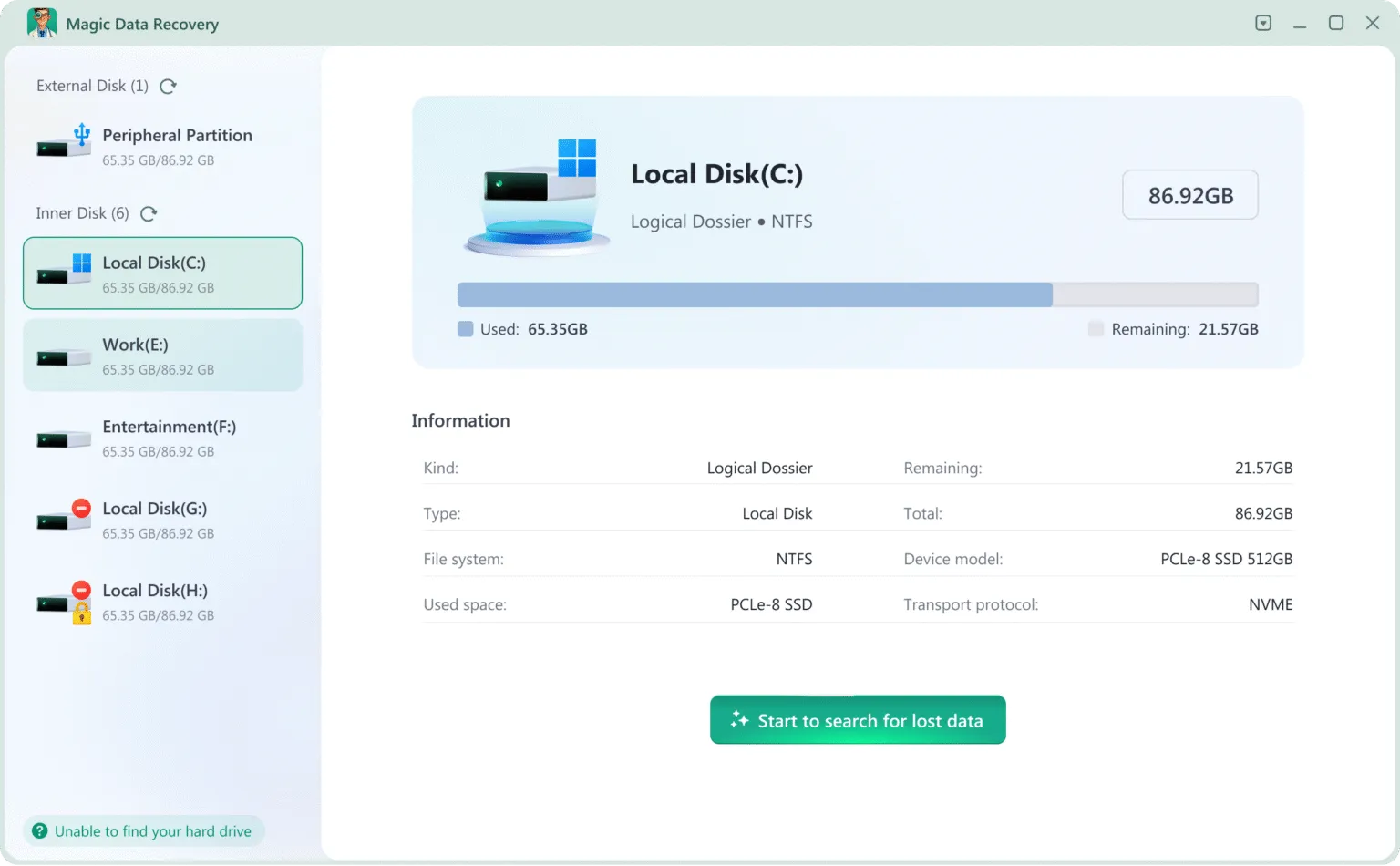
4. Run a Scan
Start the scan. A quick scan may find recently deleted files, while deeper scanning can help locate files from formatted drives or damaged file system structures.
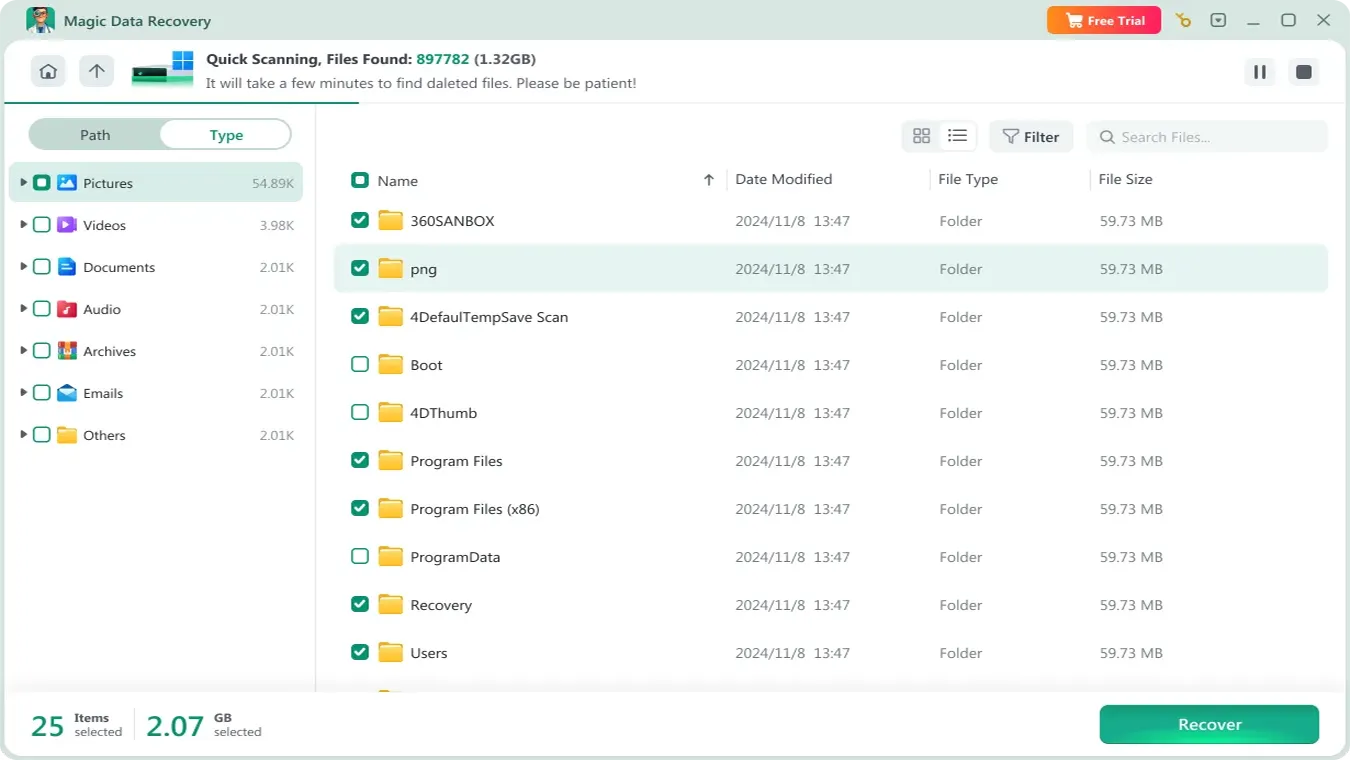
5. Preview and Recover
Preview the found files when possible. Then recover them to a different drive. Never save recovered files back to the same location during the recovery process.

Practical Tips Before Using Any Recovery Tool
Whether you choose Magic Data Recovery or minitool power data recovery, follow these best practices:
- Act quickly after data loss.
- Stop writing new data to the affected device.
- Do not format a drive again after accidental formatting.
- Do not run CHKDSK before recovering important files.
- Save recovered files to another drive.
- Preview files before recovery when possible.
- Avoid unofficial portable versions.
- Contact a professional lab if the drive clicks, smells burned, or disconnects repeatedly.
These steps improve your recovery chances and reduce unnecessary risk.
Conclusion
MiniTool Power Data Recovery remains a familiar name in the data recovery market, and searches for minitool power data show that many users still compare its different versions and formats.
However, Magic Data Recovery is the better recommendation for users who want a clearer, safer, and more practical recovery experience. It supports deleted files, formatted drives, file system errors, and multiple storage devices. It also gives users a simple scan-preview-recover workflow, which helps avoid common recovery mistakes.
If you are looking for a more efficient solution, try Magic Data Recovery before taking risky manual actions. It gives you a structured way to check what can still be recovered and restore important files responsibly.
Supports Windows 7/8/10/11 and Windows Server
FAQs
Is MiniTool Power Data Recovery safe to use?
MiniTool Power Data Recovery can be safe when downloaded from the official source and used correctly. The key rule is to avoid installing it on the drive where files were lost. Also, recover files to a different storage device. This prevents overwriting and gives recovery software a better chance to find intact data.
Can MiniTool Power Data Recovery recover formatted drives?
Yes, MiniTool Power Data Recovery may recover files from formatted drives if the lost data has not been overwritten. A quick format usually removes file system references instead of instantly erasing all data. However, recovery results vary. Stop using the drive immediately and scan it before saving anything new.
What is the difference between minitool power data recovery 8 and newer tools?
minitool power data recovery 8 refers to an older version that some users still search for online. It may work for basic recovery, but newer tools often provide better compatibility, interface improvements, and updated file-type support. For important files, using a current and trusted recovery solution is usually safer.
Is minitool power data recovery portable recommended?
A portable recovery tool can help avoid installing software on the affected drive, but unofficial portable versions are risky. They may be outdated, modified, or unsafe. If you need recovery, use an official tool and install it on a separate drive. Magic Data Recovery offers a safer guided workflow for most users.
Why do you recommend Magic Data Recovery over MiniTool Power Data Recovery?
Magic Data Recovery is recommended because it focuses on practical recovery scenarios: deleted files, formatted drives, lost partitions, file system errors, and inaccessible devices. Its scan-preview-recover workflow is easy for beginners and helps reduce mistakes. It is especially useful when users want a simple solution without dealing with technical recovery settings.
Can Magic Data Recovery restore files after file system errors?
Yes, Magic Data Recovery can help in many logical file system error cases, such as RAW partitions, inaccessible drives, or folders that no longer open normally. However, it cannot repair physical hardware damage. If a drive makes clicking sounds or disconnects repeatedly, stop using it and consider professional recovery service.
Should I run CHKDSK before using data recovery software?
No, avoid running CHKDSK before recovering important files. CHKDSK may repair file system problems, but it can also change disk structures and make some lost files harder to recover. A safer approach is to scan and recover your data first, then repair the drive after your files are secure.
Can deleted files always be recovered?
No recovery tool can guarantee every deleted file. Recovery depends on whether the file data has been overwritten, the storage device condition, and how quickly you act. For the best chance, stop using the affected drive, scan it with trusted recovery software, preview found files, and save recovered data elsewhere.

Jason is a data recovery and technical support specialist with over 15 years of hands-on experience. He has worked extensively with frontline users, troubleshooting difficult data loss cases and providing practical recovery solutions for accidental deletion, formatted drives, damaged file systems, lost partitions, system failures, and other recovery emergencies. His expertise also includes backup and restoration, file repair, and disaster recovery, with a strong emphasis on safe, reliable, and technically accurate guidance.