In this comprehensive guide, we will dive deep into CHKDSK—what it is, what does chkdsk do, and the precise steps on how to run chkdsk. We’ll explore its benefits, limitations, and the potential risks. Most importantly, we’ll provide a reliable safety net for scenarios where running CHKDSK might result in inaccessible partitions or lost data, […]
What Is exFAT File System
exFAT (Extended File Allocation Table) is a modern file system developed by Microsoft to overcome the limitations of FAT32, particularly its 4 GB maximum file size restriction. It is designed for removable storage media such as USB flash drives, SDXC cards, external hard drives, and portable solid-state drives. exFAT is optimized for large files, cross-platform […]
What Is NTFS File System
NTFS (New Technology File System) is a proprietary journaling file system developed by Microsoft and used as the default file system for modern Windows operating systems, including Windows 10 and Windows 11. It was designed to overcome the limitations of earlier file systems such as FAT32 by providing improved reliability, security, scalability, and performance for […]
Full Format: How It Works, Data Recovery Chances, and Best Practices
Table of Contents Introduction Formatting a storage device looks simple, but the choice you make can permanently affect your data. Many users select Full Format when fixing disk errors, reinstalling an operating system, or preparing a drive for resale. However, few fully understand what happens during the process or whether files can still be recovered […]
Quick Format: How It Works, Data Recovery, and Best Practices
Formatting a drive is a common task when preparing storage for reuse. However, many users accidentally choose Quick Format without fully understanding its consequences. As a result, important files may appear to be permanently lost within seconds. In this article, you will learn how this formatting option works, how it differs from a Full Format, […]
What is FAT32 File System
FAT32 File System (File Allocation Table 32) is a disk file system introduced by Microsoft in 1996 as an extension of the original FAT architecture. It uses a 32-bit file allocation table to manage data storage, allowing more efficient space usage than FAT16 while maintaining broad compatibility across operating systems, devices, and embedded systems. FAT32 […]
What is FAT16 File System
FAT16 File System (File Allocation Table 16) is an early disk file system developed by Microsoft and widely used in DOS and early Windows operating systems. It represents one of the earliest structured approaches to managing files on block-based storage devices. Although largely obsolete today, FAT16 file system is still encountered in legacy systems, embedded […]
Disk Management: How to Use, Fix Disk Issues
When a hard drive or SSD suddenly becomes inaccessible, many users first notice something is wrong inside Disk Management. Partitions may disappear, turn RAW, or show errors such as “Unallocated” or “Unknown.” At this point, panic often sets in—especially if important data is stored on the disk. This guide explains Disk Management in plain language. […]
Solid State Drive:What is an SSD
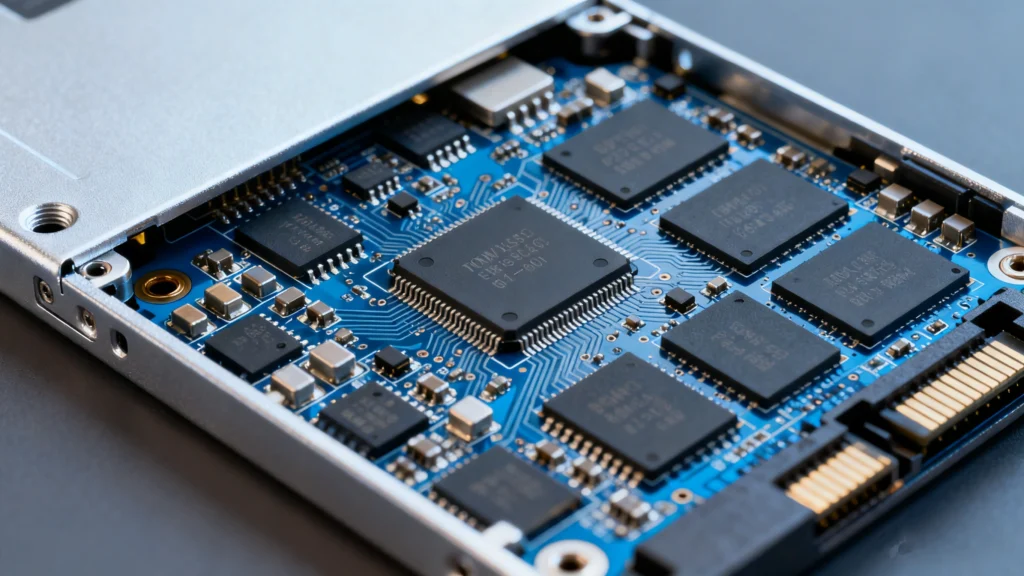
Storage performance directly affects how fast a computer boots, how smoothly applications run, and how safely data is stored. What is an SSD? An SSD (Solid State Drive) is a modern storage device that uses flash memory instead of spinning disks to store data. Thanks to flash-based storage architecture, solid-state solutions offer faster speeds, lower […]