
Computer Data Recovery Near Me Guide
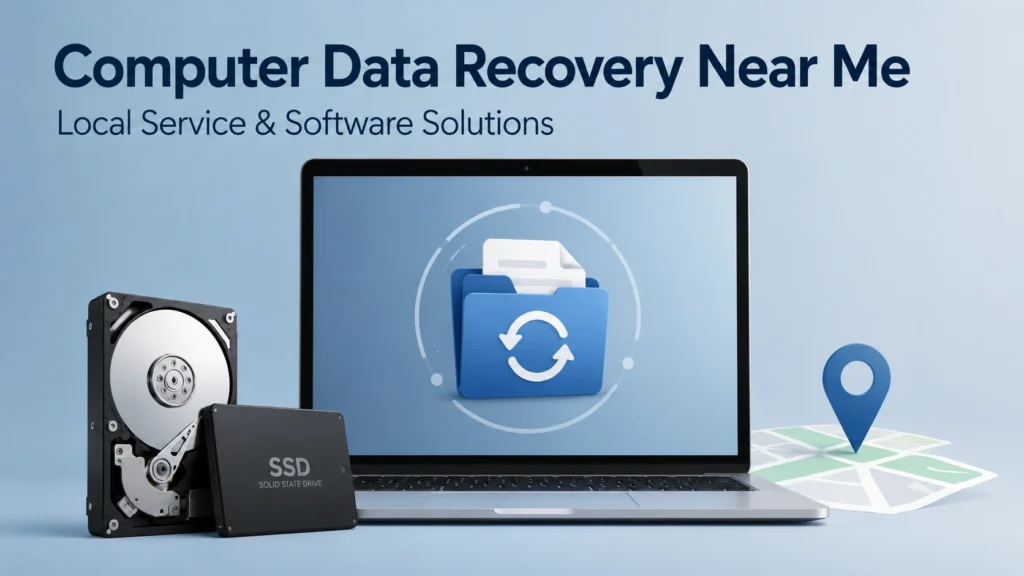
Searching for computer data recovery near me usually means one thing: important files are missing, and you need a safe way to get them back. Maybe your desktop hard drive no longer opens. Maybe a laptop folder disappeared after deletion, formatting, a system reinstall, or a file system error. In more serious cases, the computer may not boot at all.
Before choosing a local shop, you should first identify what kind of data loss you have. Some problems need a professional lab. However, many common cases are logical data loss issues, which means the storage device still works but the files are no longer visible. For those cases, software may be a faster and more practical first step.
This guide explains when to choose a local recovery service, when to try recovery software, what mistakes to avoid, and why hard drive recovery solutions are often the starting point for computer data recovery.
Table of Contents
Why You Need Computer Data Recovery Near Me?
When users search for computer data recovery near me, they may be looking for different solutions. The phrase can refer to:
- A local computer repair shop
- A professional data recovery lab
- A mail-in hard drive recovery service
- A software-based recovery tool
- Help for a laptop, desktop, external drive, SSD, or USB drive
The right option depends on the failure type. A computer that suffered physical damage needs different treatment from a computer that simply lost files after deletion or formatting.
In simple terms, data loss falls into two major categories: logical failure and physical failure.
Logical Data Loss vs Physical Data Loss
Logical Data Loss
Logical data loss means the storage device still works, but the file system, partition table, or file index no longer points to your files correctly. Common examples include:
- Accidental deletion
- Emptying the Recycle Bin
- Quick formatting
- RAW drive errors
- Lost or missing partitions
- File system corruption
- Virus or malware deletion
- Failed Windows updates or reinstallations
In these cases, recovery software can often scan the drive and locate recoverable files. Therefore, if your computer still detects the drive and there are no strange sounds or physical symptoms, you may not need to immediately search for a local shop.
Physical Data Loss
Physical data loss means the hardware itself may have failed. Examples include:
- Clicking or grinding hard drive noises
- A drive that does not spin
- Burnt smell or visible board damage
- A laptop dropped while running
- Severe water or fire damage
- A drive that disconnects repeatedly
- A computer that cannot detect the disk at all
If you notice these symptoms, stop using the drive. A local or mail-in recovery lab may be safer because continued power-on attempts can make the damage worse.
When Should You Choose a Local Computer Data Recovery Service?
A local service makes sense when the problem may involve hardware damage or when you need in-person support. For example, a repair shop can inspect your computer, remove the drive, test connections, and determine whether the problem comes from the computer, the storage device, or the operating system.
Choose a computer data recovery near me service when:
- The hard drive makes unusual noises.
- The SSD or HDD does not appear in BIOS or Disk Management.
- The computer suffered impact, liquid damage, or electrical damage.
- You need recovery from RAID, NAS, or business storage.
- You are not comfortable removing a laptop drive.
- The lost data is highly sensitive or business-critical.
However, not every “near me” result is a cleanroom recovery lab. Some local computer repair stores handle basic software recovery but send severe cases to third-party labs. Before handing over your device, ask what work they perform in-house, how they protect privacy, and whether they provide a clear diagnosis before charging.
When Should You Try Data Recovery Software First?
You should consider software first when the computer or drive still appears in Windows and the problem looks logical rather than physical. This route often saves time because you can scan the drive directly instead of waiting for a local appointment.
Try software first if:
- You deleted files by mistake.
- You formatted a computer drive.
- A partition disappeared.
- The drive shows as RAW.
- Windows asks you to format the disk.
- Files vanished after a system reinstall.
- Virus removal deleted important files.
- The drive opens but folders are missing.
In these cases, the key rule is simple: stop writing new data to the affected drive. New downloads, installations, updates, or copied files may overwrite recoverable data.
What to Do Before Any Recovery Attempt
Before choosing a local service or software solution, take a few careful steps.
Stop Using the Affected Drive
Do not save new files, install programs, or run disk cleanup on the affected drive. If you lost files from the system drive, use the computer as little as possible.
Do Not Format Again
If Windows asks you to format the disk, cancel the prompt. Formatting again can make recovery harder, especially if the system writes new file system structures.
Avoid CHKDSK in Unclear Cases
CHKDSK can repair file system problems, but it may also change directory structures. If your priority is file recovery, scan first and repair later.
Check Basic Connections
For external drives, try another USB port, cable, or enclosure. For desktops, confirm that the internal SATA and power cables are secure.
Decide Whether the Drive Has Physical Symptoms
If the drive clicks, overheats, smells burnt, or repeatedly disappears, do not keep testing it. In that situation, a local recovery professional is safer.
Best Options for Computer Data Recovery Near Me
Option 1: Use a Local Computer Repair Shop
A local repair shop can help with simple cases, such as a computer that will not boot, a user profile problem, or a drive that needs to be removed and connected to another computer. This option is useful when you need hands-on help.
However, ask whether the shop performs actual data recovery or only basic file transfer. A repair shop may not have cleanroom tools for physically damaged drives.
Option 2: Use a Professional Data Recovery Lab
A lab is the best choice for serious physical failure. Professional labs can handle damaged hard drives, firmware issues, failed heads, and other complex hardware problems.
The downside is cost and turnaround time. You may need to ship the drive, wait for diagnosis, approve a quote, and receive recovered data on another storage device.
Option 3: Try Software-Based Recovery
Software-based recovery is suitable for common logical data loss. It is often the first practical step when the drive still works and the lost files came from deletion, formatting, file system errors, or system changes.
This is where Magic Data Recovery becomes useful. It gives regular users a way to scan recoverable data before paying for a local service.
Why Magic Data Recovery Is Worth Trying First
If your drive is still detected, Magic Data Recovery offers a practical software-first approach. It is designed to recover lost files from common data loss scenarios, including deleted files, formatted drives, file system errors, virus-related deletion, and other logical problems.
Magic Data Recovery is especially useful when you are searching for computer data recovery near me but are not sure whether you really need a local technician. Instead of guessing, you can scan the affected drive and preview recoverable files first.
Supports Windows 7/8/10/11 and Windows Server
Core Problems It Helps Solve
Magic Data Recovery can help with:
- Deleted computer files
- Formatted hard drives
- Lost folders after Windows reinstall
- RAW or inaccessible partitions
- Missing files after system errors
- Files lost due to malware or accidental cleanup
- Data loss from internal and external storage devices
Key Advantages
Magic Data Recovery is useful because it focuses on the user’s actual problem: finding lost files safely and clearly. Its main advantages include:
- Simple workflow for non-technical users
- Deep scan for lost file structures and file signatures
- Support for common storage devices
- Preview before recovery
- Suitable for deleted, formatted, and corrupted file system cases
- Useful before deciding whether to pay for a local service
For example, if you accidentally formatted a desktop drive, you can connect the drive to a working Windows computer, run a scan, preview found files, and recover them to another safe location. If the scan finds the missing files, you may avoid unnecessary service costs. If the drive cannot be scanned or has physical symptoms, you can then move to a professional recovery provider.
If you need a guided workflow, you can follow the Magic Data Recovery user guide. To start from the official product page, visit Magic Data Recovery.
How to Use Magic Data Recovery for Computer Data Recovery
Follow these steps carefully:
Step 1: Stop Using the Problem Drive
If files were deleted or the drive was formatted, do not keep using it. This reduces the risk of overwriting recoverable data.
Step 2: Install the Software on Another Drive
Do not install recovery software on the same drive where files were lost. If the affected drive is your system drive, install the software on another computer and connect the problem drive as a secondary disk.
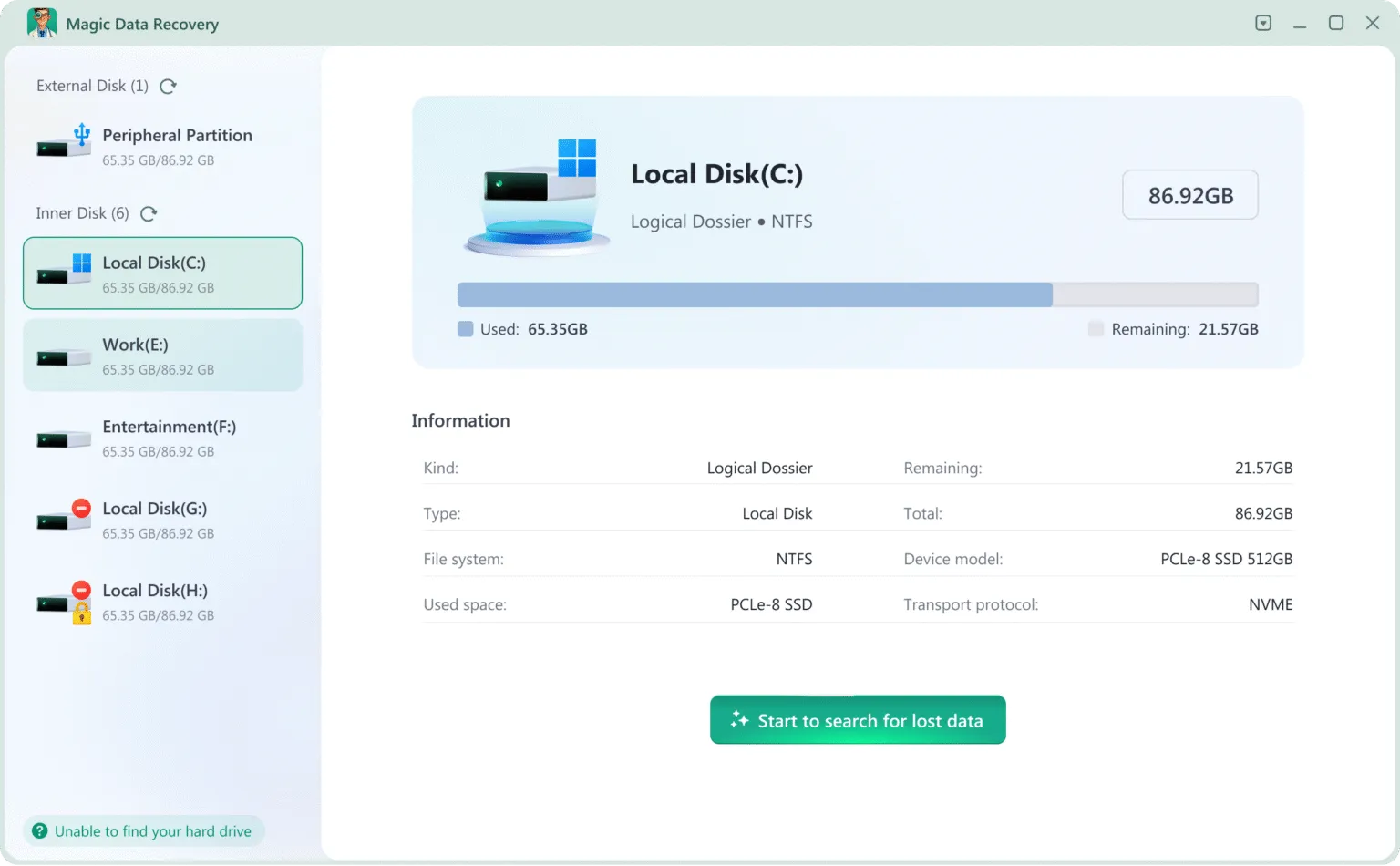
Step 3: Select the Drive to Scan
Launch Magic Data Recovery and choose the computer drive, partition, or external disk where the files were lost.
Step 4: Scan for Lost Data
Start the scan and wait for the results. The scan may take longer on large drives, but it gives the software more time to locate deleted or missing files.
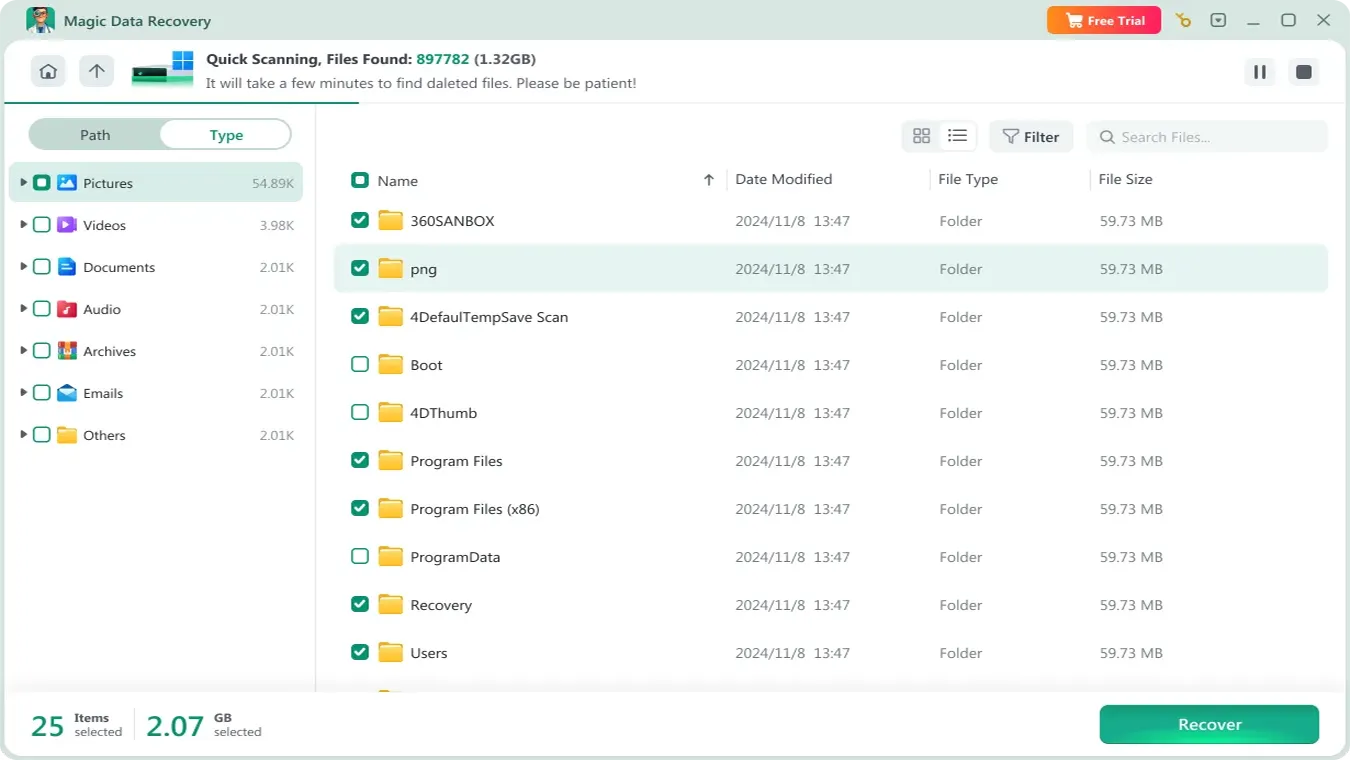
Step 5: Preview and Recover
Preview the recoverable files when possible. Then recover them to another drive, not the original location. This helps prevent overwriting other lost files.

Local Service vs Magic Data Recovery: Which Is Better?
The better option depends on the cause of data loss.
Situation | Better First Choice | Why |
Deleted files | Magic Data Recovery | Fast scan, no need for physical repair |
Quick formatted drive | Magic Data Recovery | Software can search remaining file data |
RAW partition | Magic Data Recovery | Logical scan may locate lost files |
Drive clicking | Local recovery lab | Likely physical failure |
Dropped laptop drive | Local recovery lab | Hardware damage may worsen with use |
Computer will not boot but drive is healthy | Software or repair shop | Drive can often be connected to another PC |
Business RAID failure | Professional lab | Complex recovery needs expert handling |
A local service is not always wrong. In fact, it is the safer path for physical failure. However, software is often more efficient for logical data loss because it lets you check recoverability immediately.
How to Choose a Reliable Local Data Recovery Provider
If you decide to use a local service, do not choose only by distance. Search results for computer data recovery near me can include repair shops, IT support providers, and specialized labs. Their capabilities can vary a lot.
Before you hand over your drive, ask these questions:
- Do you perform data recovery in-house?
- Do you handle physical hard drive failure?
- Do you provide a diagnosis before recovery?
- Will you return the original drive?
- How do you protect private files?
- Do you charge if no data can be recovered?
- What storage device will recovered files be saved to?
- Will you open the drive, and do you have proper equipment?
These questions help you avoid unnecessary risk. A trustworthy provider should explain the process clearly and avoid unrealistic promises.
Common Mistakes That Reduce Recovery Chances
Many users make data loss worse while trying to fix the problem. Avoid these mistakes:
- Installing recovery software on the lost-file drive
- Saving recovered files back to the same drive
- Reformatting a drive multiple times
- Running repair commands before recovery
- Opening a hard drive outside a proper environment
- Continuing to power on a clicking drive
- Using random “fix” tools without understanding the issue
- Copying large files to the affected disk
The most important rule is to protect the original data area. Recovery is usually easier when fewer changes happen after data loss.
Is “Near Me” Always the Best Choice?
Not always. A nearby shop may be convenient, but convenience does not always mean better recovery. For physical damage, a specialized lab may be better even if it is not local. For logical data loss, software may be better even if a shop is nearby.
A smart approach is:
- Identify the failure type.
- Stop using the affected drive.
- Try software if the drive is healthy and detected.
- Choose a professional service if the drive shows physical symptoms.
- Keep recovered files on a separate safe drive.
This process gives you a balanced path instead of rushing into the first search result.
Conclusion
Searching for computer data recovery near me is a reasonable first step when important files disappear. However, the best solution depends on the problem. If your drive has physical damage, strange noises, or detection issues, choose a professional local or mail-in recovery service. That is the safer path.
If your files disappeared because of deletion, formatting, file system errors, virus damage, or a Windows reinstall, Magic Data Recovery is worth trying first. It helps you scan the affected drive, preview recoverable files, and recover them to a safe location without immediately paying for a local service.
That is why Magic Data Recovery is a practical recommendation in this guide. It does not replace a cleanroom lab for physically damaged drives, but it gives everyday users a clear and efficient way to handle the most common computer data loss cases. For more storage-specific guidance, you can also explore Amagicsoft’s hard drive recovery solutions.
Supports Windows 7/8/10/11 and Windows Server
FAQs
What does computer data recovery near me mean?
Computer data recovery near me usually refers to local services that help recover lost files from desktops, laptops, hard drives, SSDs, or external storage devices. However, it can also include software-based recovery. The best choice depends on whether the data loss comes from logical issues, such as deletion, or physical hardware damage.
Should I use a local recovery service or software first?
Use software first if the drive still appears in Windows and the problem came from deletion, formatting, file system errors, or missing partitions. Choose a local or professional recovery service if the drive clicks, overheats, suffered physical damage, or cannot be detected. Physical problems need safer handling.
Can Magic Data Recovery replace a local data recovery service?
Magic Data Recovery can replace a local service only in logical data loss cases, such as deleted files, formatted drives, RAW partitions, or file system errors. It cannot repair physically damaged hardware. If the drive has mechanical, electrical, or severe detection problems, a professional recovery lab is the safer option.
Is it safe to scan my computer drive with recovery software?
Yes, scanning is generally safe when the drive has no physical symptoms and you avoid writing new data to it. For best results, install the recovery software on another drive and save recovered files to a separate location. Do not scan a clicking, overheating, or unstable drive repeatedly.
How much does computer data recovery cost?
The cost varies widely because simple logical recovery, repair-shop assistance, and advanced lab recovery require different levels of work. Software recovery is usually the lower-cost first attempt for healthy drives. Physical recovery often costs more because it may require specialized tools, donor parts, and controlled handling.
Can I recover files from a formatted computer drive?
Yes, many formatted drive cases can still be recovered, especially after a quick format. Formatting often removes file system references rather than instantly erasing every file. Stop using the drive immediately and scan it with recovery software. If new data overwrites the old data, recovery becomes much harder.
What should I avoid after losing computer data?
Avoid saving new files, reinstalling Windows, running cleanup tools, or formatting the drive again. Also avoid saving recovered files back to the same drive. These actions can overwrite recoverable data. If the drive makes unusual noises or disconnects often, stop using it and contact a professional service.
Why is Magic Data Recovery recommended in this guide?
Magic Data Recovery is recommended because many computer data recovery near me searches involve logical data loss, not physical damage. It supports common scenarios such as deletion, formatting, file system errors, and virus-related loss. It also lets users scan and preview files before deciding whether professional service is necessary.

Jason has over 15 years of hands-on experience in the computer data security industry. He specializes in data recovery, backup and restoration, and file repair technologies, and has helped millions of users worldwide resolve complex data loss and security issues.